

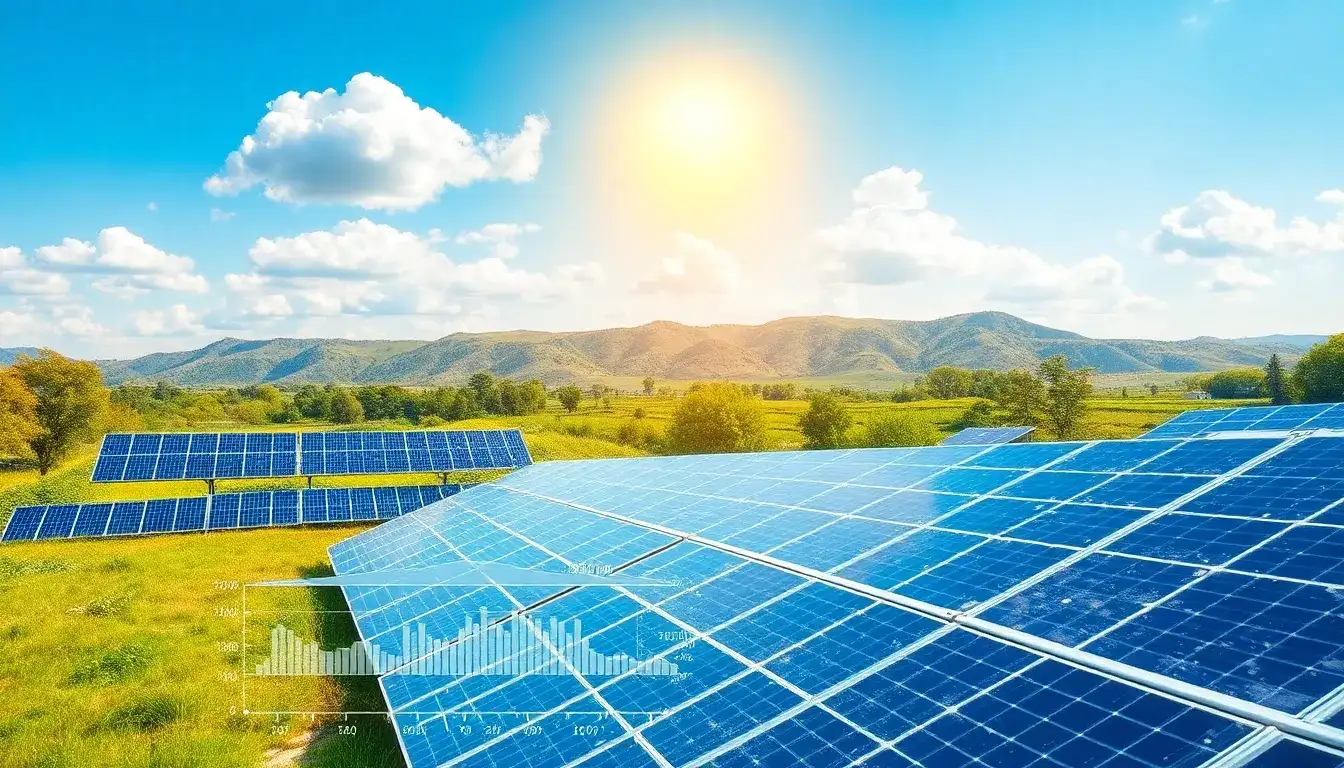
Predictive models account for weather conditions affecting solar output by integrating various data sources and techniques. Here’s an overview of how these models operate:
Incorporation of Weather Data
Key Factors
- Cloud Cover: This is the most critical factor, as clouds significantly reduce solar irradiance. Models use cloud coverage forecasts from weather stations and satellite data to predict solar output.
- Temperature: High temperatures can reduce solar panel efficiency, especially if they exceed 70°C. Models consider temperature forecasts to adjust output predictions.
- Other Meteorological Variables: Wind speed, humidity, and air turbidity can also impact solar output. These variables are included in some models to provide more accurate forecasts.
Numerical Weather Prediction (NWP) Models
NWP models simulate atmospheric conditions using physics equations and observational data to forecast weather patterns like cloud cover, temperature, and humidity. These models are crucial for predicting solar irradiance and energy production.
Advanced Techniques
- Artificial Intelligence (AI) and Machine Learning (ML): AI and ML algorithms enhance forecasting accuracy by processing large datasets, identifying complex patterns in weather and historical solar output data. Techniques such as deep learning neural networks can analyze satellite images to predict cloud cover patterns.
- Ensemble Methods: Combining multiple models can reduce uncertainties and increase forecasting precision.
Integration of Satellite Data
Satellite imagery provides real-time data on cloud cover and other weather conditions, which are essential for precise solar energy forecasting. By incorporating satellite data, models can better predict short-term variations in solar output.
Examples and Applications
- Solar Farms: Advanced forecasting techniques are used to optimize energy production by adjusting panel orientations based on predicted solar irradiance. Accurate forecasts help in energy storage optimization and grid coordination.
In summary, predictive models for solar output use a combination of historical data, weather forecasts, and advanced technologies like AI and satellite data to account for weather conditions affecting solar energy production.
Original article by NenPower, If reposted, please credit the source: https://nenpower.com/blog/how-do-predictive-models-account-for-weather-conditions-affecting-solar-output/

