

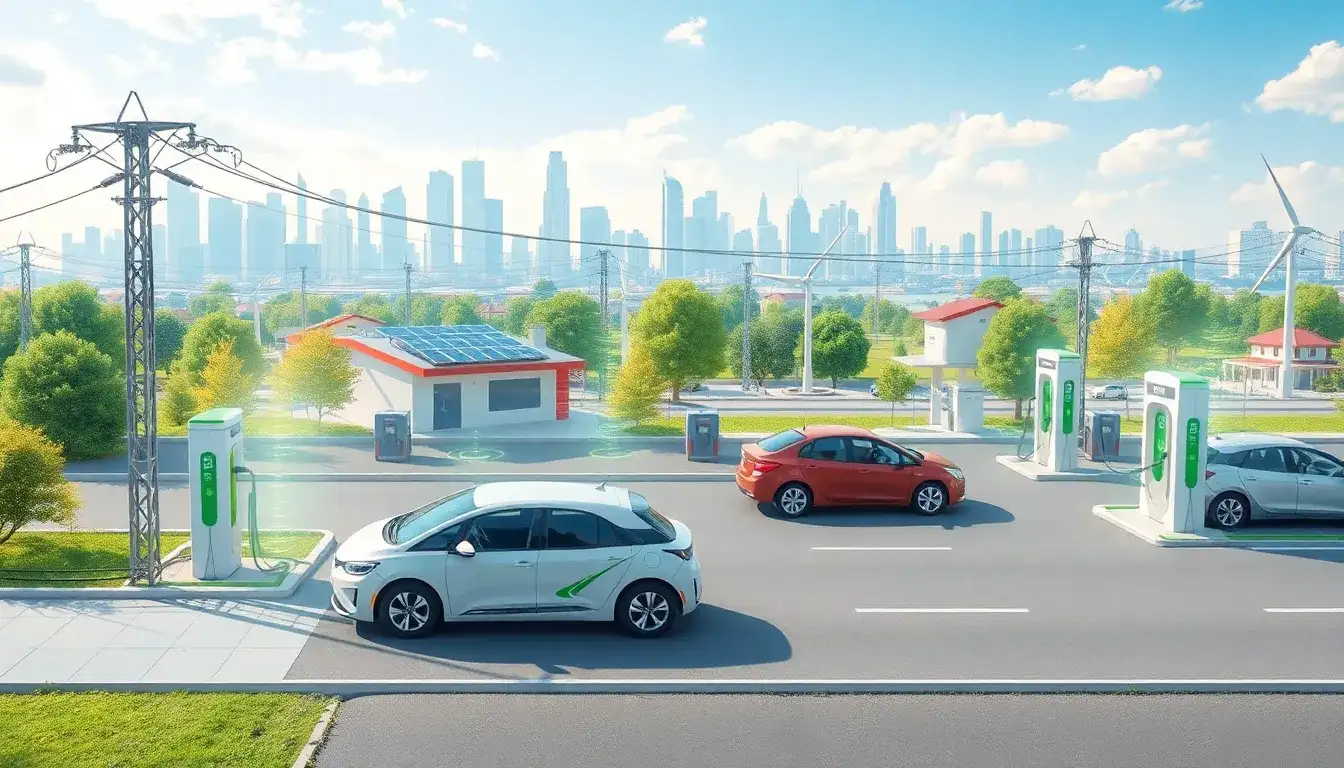
Plug-in Hybrid Electric Vehicles (PHEVs) and Peak Electricity Demand
PHEVs can contribute to reducing peak electricity demand through several strategies:
Main Strategies to Reduce Peak Demand
-
Flexible Charging:
- PHEVs can be charged during off-peak hours when electricity demand is lower. This approach helps manage the load on the grid and reduces the likelihood of peak demand surges.
- Utilities often offer time-of-use pricing that incentivizes EV owners to charge during off-peak hours, typically at night or early in the morning.
-
Load Management and Demand Response Programs:
- Smart charging systems can dynamically adjust power allocation to prevent excessive strain on the grid during peak times.
- Businesses can participate in demand response programs, which adjust charging schedules based on real-time grid conditions to avoid peak demand periods.
-
Vehicle-to-Grid (V2G) Technology:
- Though more commonly associated with fully electric vehicles, PHEVs can also potentially supply electricity back to the grid from their batteries during peak demand periods, especially if integrated with V2G technology. This could help stabilize the grid and reduce peak demand.
-
Optimized Charging Schedules:
- By managing when and how PHEVs charge, households and businesses can avoid adding to peak electricity demand. This includes scheduling charges for times when renewable energy sources are generating surplus power.
In summary, PHEVs can play a role in managing peak electricity demand by allowing for flexible charging times, integrating with smart grid technologies, and potentially supplying electricity back to the grid to balance out high demand periods.
Original article by NenPower, If reposted, please credit the source: https://nenpower.com/blog/how-do-phevs-contribute-to-reducing-peak-electricity-demand/

