

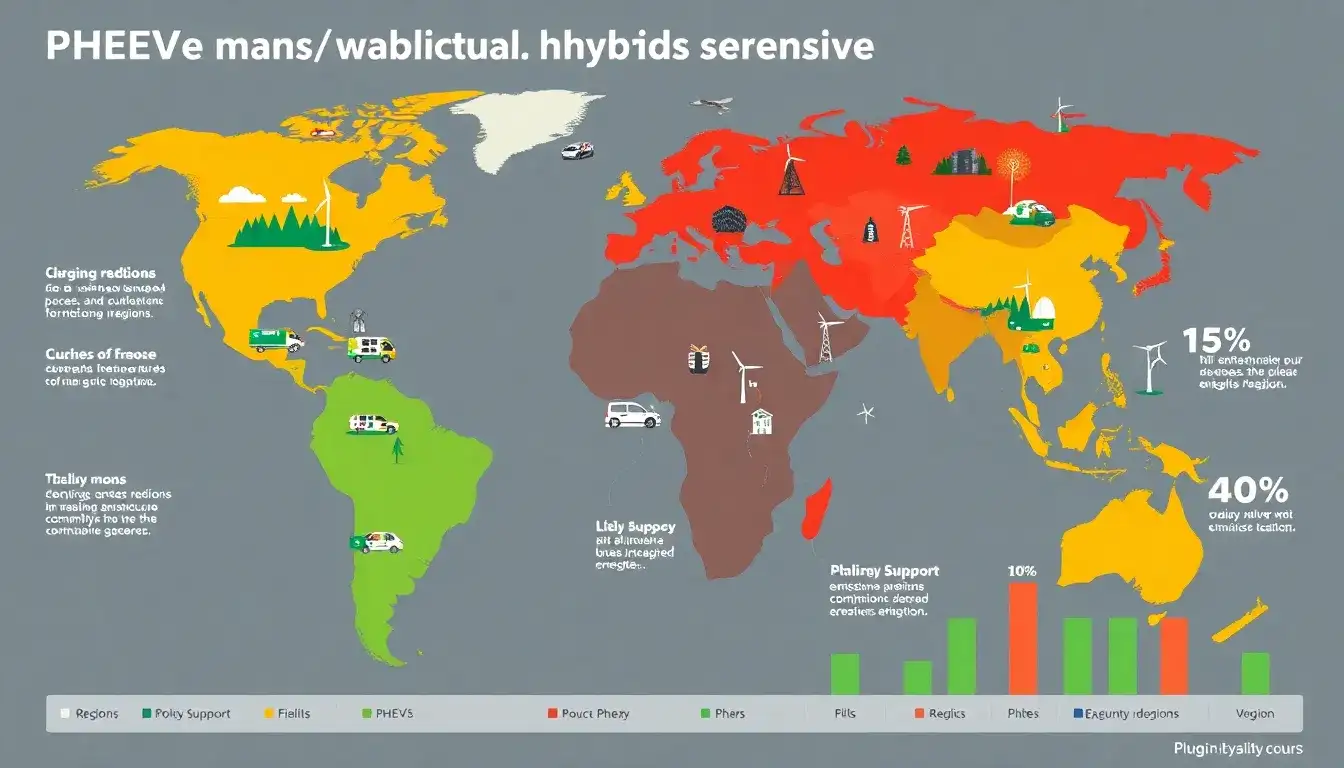
Plug-in Hybrid Electric Vehicles (PHEVs) contribute to reducing greenhouse gas emissions in different regions by utilizing both electricity and gasoline. Here’s a breakdown of their impact:
Contribution of PHEVs to Emissions Reduction
- Emissions Savings Over ICEVs: PHEVs generally produce around 30% less emissions than Internal Combustion Engine Vehicles (ICEVs) over their lifespan, with some studies suggesting this advantage can be as high as 35%. This is largely due to their ability to run on electricity, which can be generated from cleaner sources compared to gasoline.
- Role of Grid Decarbonization: The effectiveness of PHEVs in reducing emissions varies significantly based on the carbon intensity of the local power grid. Regions with cleaner energy sources (such as renewable energy) tend to have a greater potential for greenhouse gas (GHG) reduction through the use of PHEVs and other electric vehicles.
- Geographic Variability: The impact of PHEVs also varies geographically. For instance, in regions with low-carbon energy sources, such as parts of the Western United States, the potential for emissions reduction is higher. Conversely, in areas with dirtier energy mixes, the benefits of PHEVs can be less pronounced, and in some cases, may even lead to slightly higher emissions compared to ICEVs if the electrical grid is very carbon-intensive.
- Efficiency in Different Areas: PHEVs are more effective in reducing emissions in rural and suburban areas where larger vehicles are more common. This is because larger vehicles have a greater emissions potential when powered by gasoline, making the switch to electric or hybrid power more impactful.
- Future Improvements: As the global energy sector continues to decarbonize, the emissions benefits of PHEVs are expected to increase. Regulations like the U.S. Inflation Reduction Act and the Bipartisan Infrastructure Law are driving improvements in power sector efficiency and reducing carbon intensity, which will enhance the environmental advantages of PHEVs over time.
Conclusion
PHEVs can significantly contribute to reducing greenhouse gas emissions by displacing traditional gasoline-powered vehicles, especially in regions with cleaner energy grids. However, the effectiveness of PHEVs varies based on local energy sources and vehicle usage patterns.
Original article by NenPower, If reposted, please credit the source: https://nenpower.com/blog/how-do-phevs-contribute-to-reducing-greenhouse-gas-emissions-in-different-regions/

