

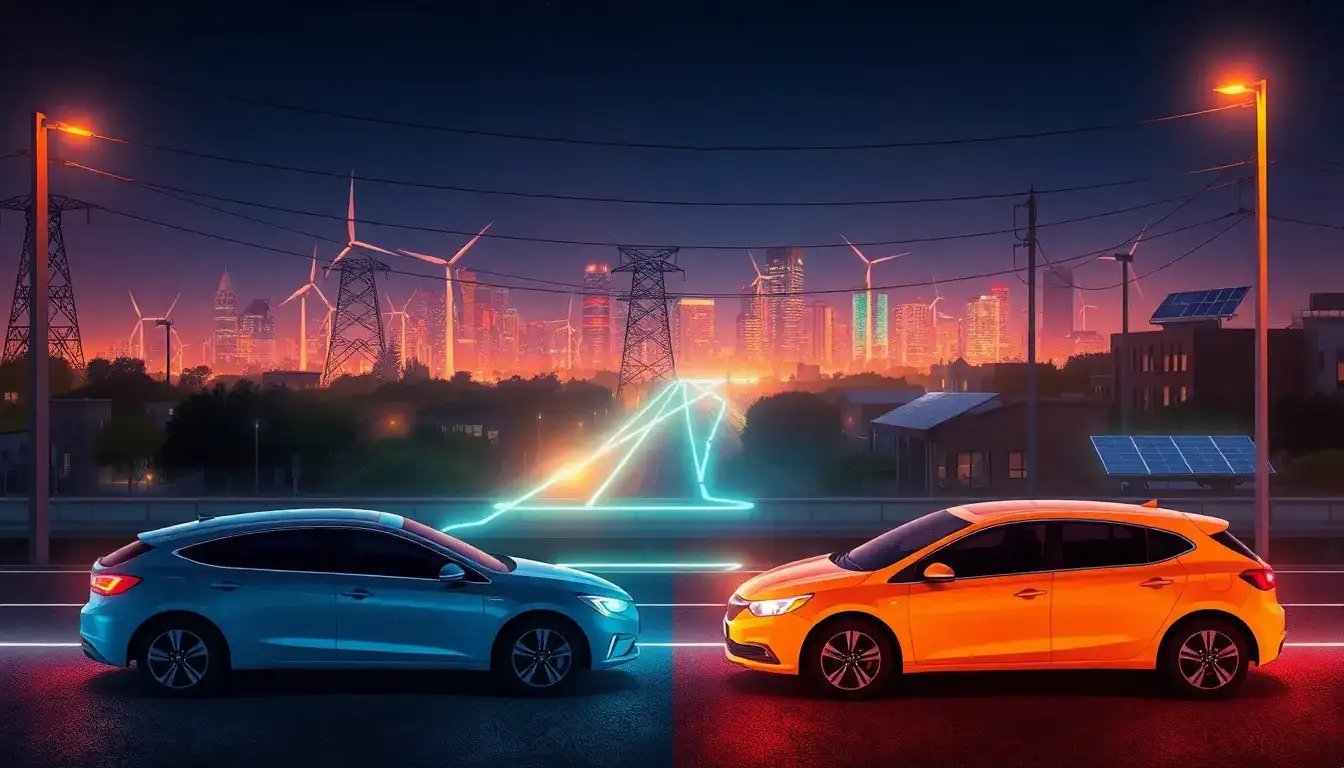
Plug-in Hybrid Electric Vehicles (PHEVs) can contribute to grid stability differently than Hybrid Electric Vehicles (HEVs) due to their ability to integrate with the power grid for charging. Here’s how PHEVs impact grid stability compared to HEVs:
Contribution to Grid Stability
PHEVs
- Grid Interaction: PHEVs can draw energy from the grid to charge their batteries, allowing them to operate on electric power alone for a certain distance. This interaction can provide opportunities for vehicle-to-grid (V2G) services, where vehicles can supply energy back to the grid during peak demand periods, helping stabilize the grid.
- Flexible Charging: PHEVs can be charged using electricity from the grid, and this flexibility allows utilities to manage charging schedules to avoid peak demand times, reducing strain on the grid.
- Emissions Reduction: By using grid electricity to power their electric motor, PHEVs can significantly reduce emissions compared to traditional vehicles, which indirectly benefits grid stability by decreasing the need for fossil fuels in transportation.
HEVs
- Limited Grid Interaction: HEVs do not have the capability to draw energy from the grid for charging, as they rely solely on an internal combustion engine and regenerative braking for power generation. This limits their ability to directly support grid stability through V2G services.
- Internal Energy Management: HEVs manage energy internally through regenerative braking and the engine, which reduces fuel consumption but does not provide the same opportunity for grid interaction as PHEVs.
- Less Emissions Reduction: While HEVs offer some emissions reduction compared to Internal Combustion Engine Vehicles (ICEVs), they do not achieve the same level of emissions reduction as PHEVs when using grid electricity.
Summary
PHEVs can contribute more directly to grid stability due to their ability to interact with the electrical grid, allowing for V2G services and scheduled charging to manage peak demand. In contrast, HEVs do not have these capabilities and rely solely on internal power generation, limiting their contribution to grid stability.
Original article by NenPower, If reposted, please credit the source: https://nenpower.com/blog/how-do-phevs-contribute-to-grid-stability-compared-to-hevs/

