

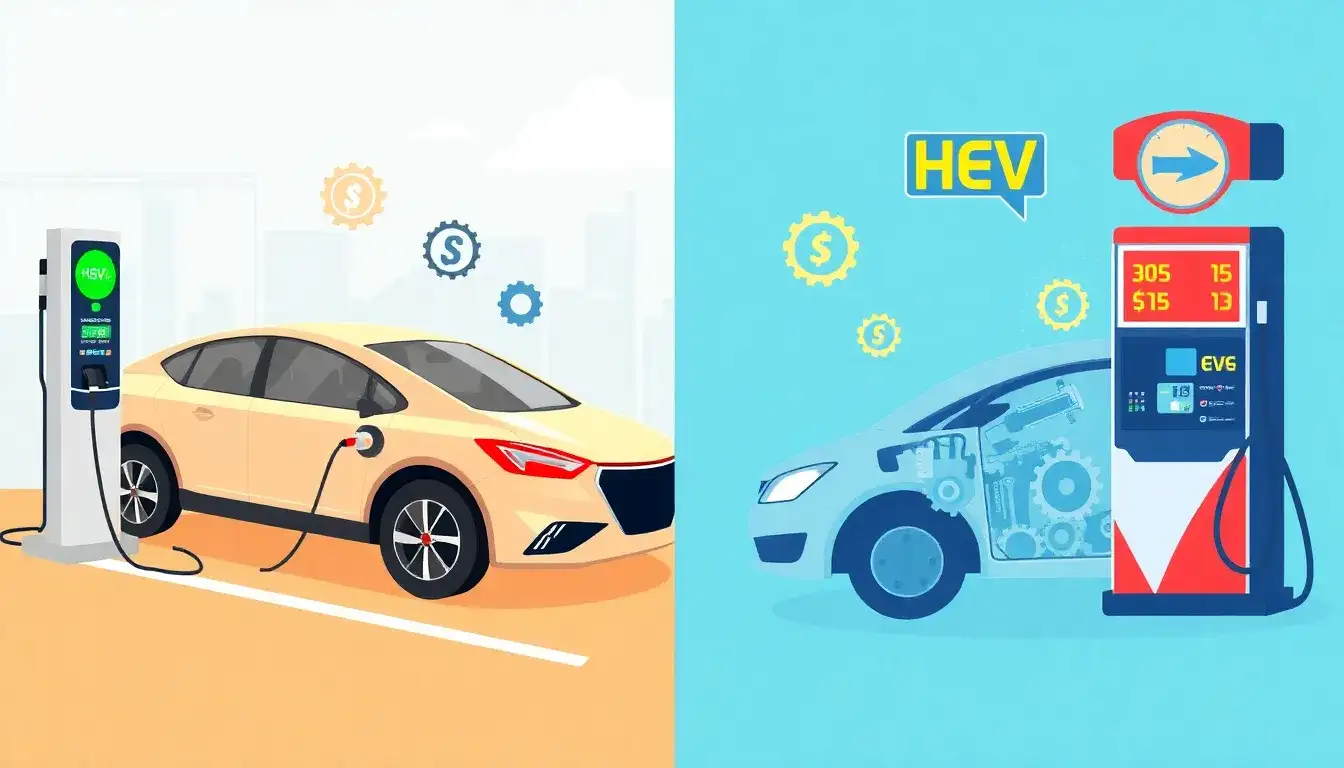
PHEVs (Plug-in Hybrid Electric Vehicles) generally have a higher upfront cost than HEVs (Hybrid Electric Vehicles) because they include larger battery packs and more powerful electric motors to enable electric-only driving modes. For example, the MSRP for a 2022 Kia Niro HEV is about $28,790, while the 2022 Kia Niro PHEV is around $34,390 after factoring in a $2,000 provincial rebate—making the PHEV approximately $5,600 more expensive initially.
In terms of ongoing expenses, PHEVs tend to have lower fuel costs than HEVs because they can run on electric power alone for a certain range (e.g., 51 km for the Kia Niro PHEV), reducing gasoline consumption significantly. However, real-world fuel savings for PHEVs compared to conventional petrol cars are often lower than manufacturer estimates, roughly half of the claimed savings in some studies, though still substantial (e.g., around £593 per year savings in the UK versus petrol cars). Compared to HEVs, PHEVs typically cost more annually to fuel than full electric vehicles but less than traditional petrol vehicles.
HEVs have no electric-only driving mode, so they rely more on gasoline, which results in higher fuel costs relative to PHEVs. HEVs also generally have fewer tax incentives and rebates available, which can make their overall ownership cost less favorable despite their lower purchase price.
In summary:
- Upfront cost: PHEVs are more expensive than HEVs due to larger batteries and electric components.
- Fuel and running costs: PHEVs usually save more on fuel than HEVs by using electric power, but real-world savings are less than idealized estimates.
- Rebates and incentives: PHEVs often qualify for larger government incentives than HEVs, helping offset their higher purchase price.
- Overall cost of ownership: While PHEVs have a higher initial cost, their fuel savings and incentives can make them more cost-effective over time compared to HEVs, especially if driven frequently on electric power.
This makes PHEVs potentially more economical in the long run, particularly for drivers with regular short trips suitable for electric-only driving, though the initial investment is higher.
Original article by NenPower, If reposted, please credit the source: https://nenpower.com/blog/how-do-phevs-compare-to-hevs-in-terms-of-overall-cost/

