

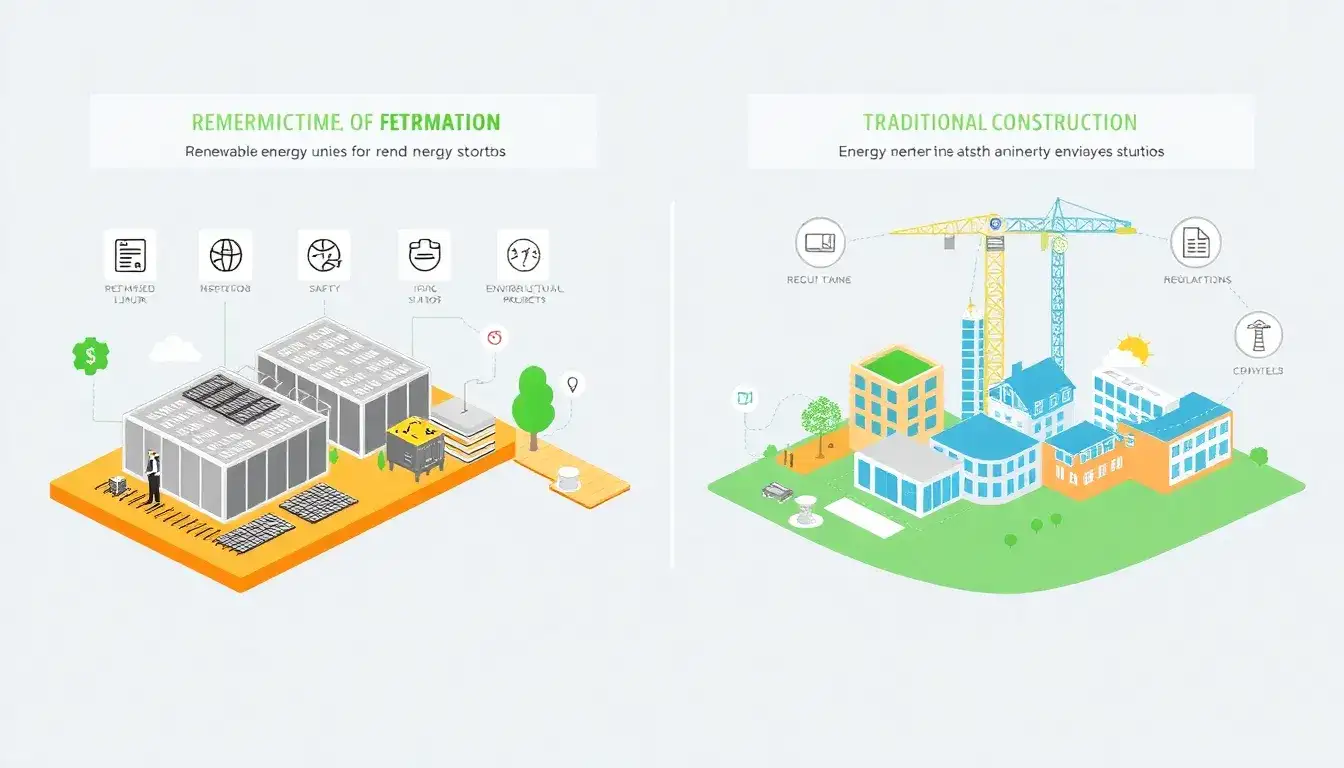
Permitting requirements for energy storage projects differ from other sectors due to several unique factors related to the technology, safety risks, and local regulatory unfamiliarity. Here are the key distinctions:
1. Specialized Technical and Safety Considerations
Energy storage projects, especially those using lithium-ion batteries, involve significant stored electrical and chemical energy in relatively compact spaces (e.g., 20-to-40-foot containers) that pose specific fire, explosion, and thermal runaway risks. This requires detailed safety assessments and adherence to specialized codes unique to energy storage that are not typically required in other sectors.
2. Limited Existing Zoning and Land Use Designations
Battery energy storage systems (BESS) are relatively new, so many areas lack specific zoning for battery storage use. Projects often require special land use permits such as conditional use permits (CUP) or special use permits (SUP) that involve additional scrutiny and justification compared to traditional industrial or utility projects.
3. More Extensive Site Surveys and Environmental Assessments
Permitting authorities frequently demand a broader set of site surveys and studies for energy storage projects, including:
- Environmental site assessments
- Cultural resources assessments
- Biological surveys
- Wetlands determination
- Noise and visual impact studies
- Traffic impact studies
- Fire and explosion risk assessments
These exceed the typical requirements for many conventional energy or industrial projects due to concerns about safety, community impact, and environmental factors.
4. Need for Greater Coordination with Authorities Having Jurisdiction (AHJ)
Because local officials often have limited experience with energy storage projects, early and ongoing coordination with AHJs is critical to clarify technical requirements, address community safety concerns, and streamline permitting. This level of collaboration is often more intensive than for more established project types.
5. Emphasis on Capacity Verification and Setbacks
Permitting for energy storage involves validating the capacity and operational parameters of the storage system and establishing appropriate setbacks to protect public safety. These considerations are more specific and rigorous compared to many other types of developments.
6. Residential Energy Storage Permitting Guidelines
For residential solar-plus-storage installations, there are now national simplified permit guidelines that streamline electrical and structural reviews to balance safety and efficiency. This contrasts with some other residential construction permits by focusing on electrical energy storage specifics.
Summary Table Comparing Permitting of Energy Storage Projects vs Other Sectors
| Aspect | Energy Storage Projects | Other Sectors (e.g., traditional energy, industrial) |
|---|---|---|
| Technical Safety Risks | High (fire, explosion, thermal runaway) | Generally lower or different safety profiles |
| Zoning and Land Use | Often requires conditional/special use permits | Usually pre-zoned for intended use |
| Environmental & Community Surveys | Extensive (noise, visual, cultural, biological, fire risk) | Less extensive or more standardized |
| Coordination with AHJ | Intensive early coordination needed | Standard permitting processes |
| Capacity Verification & Setbacks | Specific requirements for safe operation | Generally based on standard zoning/building codes |
| Residential Permitting | Specialized simplified guidelines for solar + storage | Typical electrical/structural permits |
In essence, energy storage permitting is more complex and novel, involving additional safety, land use, environmental, and coordination requirements that reflect the technology’s unique risks and community impacts. This complexity can affect project timelines and costs and requires specialized expertise from developers and regulators alike.
Original article by NenPower, If reposted, please credit the source: https://nenpower.com/blog/how-do-permitting-requirements-differ-for-energy-storage-projects-compared-to-other-sectors/

