

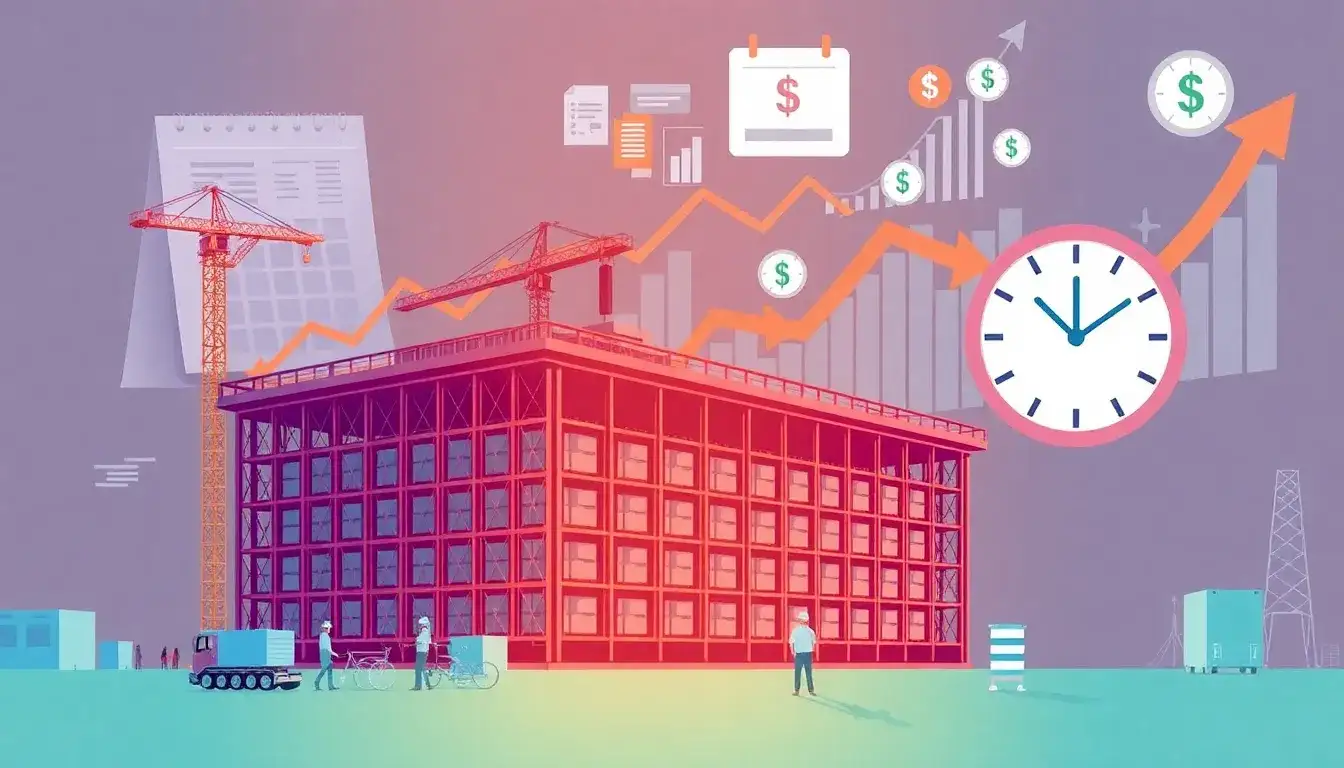
Permitting delays significantly impact the overall cost and timeline of utility-scale battery projects primarily through increased development risk, extended project timelines, and financial uncertainty.
Impact of Permitting Delays on Costs and Project Viability
- Extended Project Timelines: Permitting processes involve navigating a complex web of federal, state, and local regulations, often with multiple authorities having jurisdiction (AHJs). This complexity leads to unpredictable and often lengthy permitting durations that delay project construction and commissioning. Longer timelines increase holding costs such as financing, site leases, and labor, which add to the overall project cost.
- Increased Development Risk: Uncertain or delayed permitting raises the risk that projects may miss critical procurement deadlines or utility interconnection windows, potentially leading to contract penalties or loss of contracts altogether. This uncertainty can deter investment or increase the cost of capital for developers, as lenders and investors seek risk premiums.
- Price Increases and Degradation Risks: Delays may coincide with fluctuations in equipment costs or supply chain disruptions, causing price escalations for batteries and associated infrastructure. Additionally, since battery performance degrades over time, delays might affect the expected operational life and efficiency, necessitating more frequent augmentation or replacements, further driving up costs.
- Regulatory and Safety Compliance Costs: In regions with evolving regulations—such as California where stricter safety measures around battery fire risks are increasingly mandated—delays in permitting can coincide with or trigger the need to comply with new rules. This compliance can impose additional costs for design modifications or enhanced safety systems.
- Impact on Use Cases and Operational Constraints: Permitting delays can affect how batteries are deployed and operated. Operational constraints tied to state of charge management, cycle limits, and ancillary service provisions may be negotiated differently if project timelines shift or use cases evolve during permitting.
Summary
Permitting delays increase the overall cost of utility-scale battery projects by extending timelines, raising financing and holding costs, increasing the risk of missing procurement windows, exposing projects to price escalations, and necessitating compliance with evolving regulatory requirements. These factors collectively reduce project financial viability and can impede the broader deployment of battery energy storage systems.
Thus, streamlining permitting processes and establishing standardized frameworks could lower risk and reduce costs, improving project success rates and accelerating the adoption of utility-scale battery storage.
Original article by NenPower, If reposted, please credit the source: https://nenpower.com/blog/how-do-permitting-delays-impact-the-overall-cost-of-utility-scale-battery-projects/

