

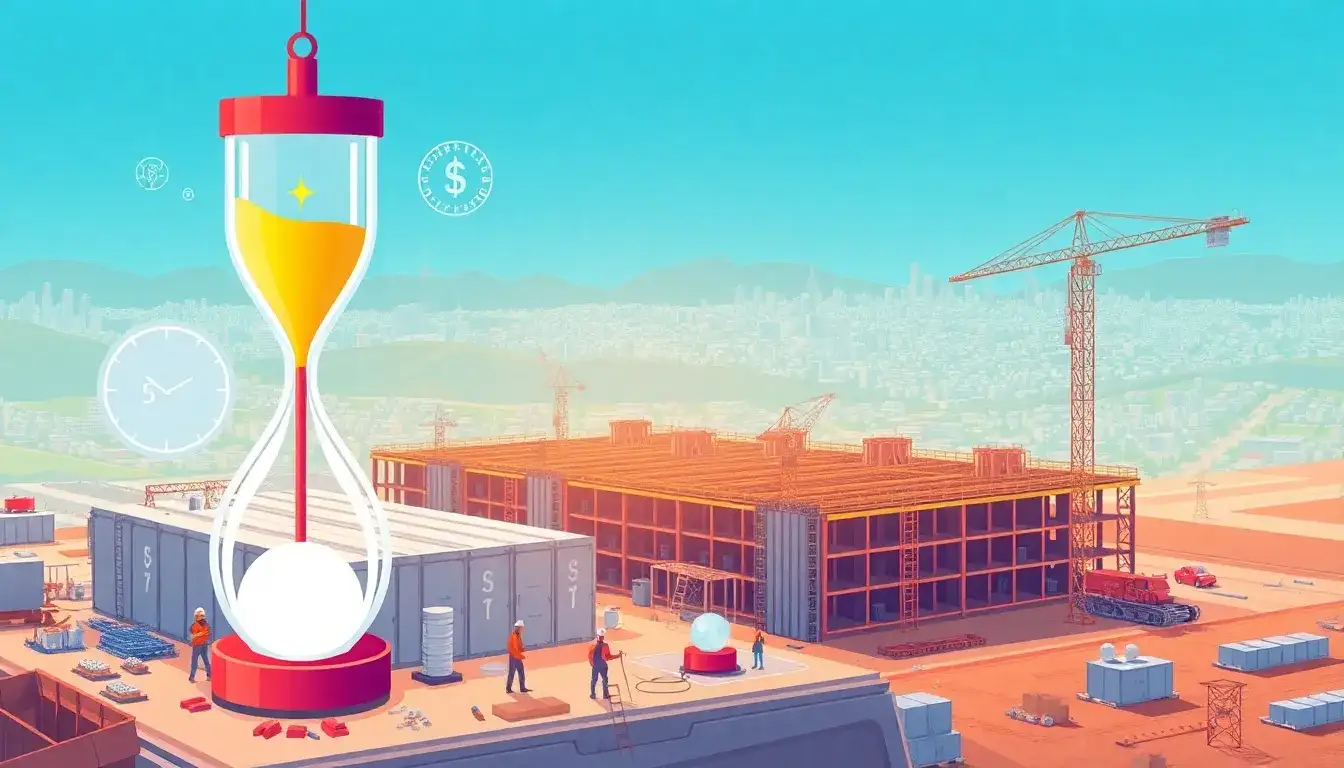
Permitting delays significantly increase the overall cost of utility-scale energy storage projects through several interrelated mechanisms:
Increased Development and Carrying Costs
- Permitting delays extend the timeline before construction can begin, meaning developers must finance the project for a longer period without generating revenue. Development capital typically carries a high cost, so longer delays increase the carrying costs substantially, raising the total project cost.
- Delays can also lead to additional costs from application modifications, stakeholder meetings, and compliance activities as regulations or project requirements evolve over time.
Reduced Revenue and Incentive Losses
- Many energy storage projects rely on time-sensitive incentives or contracts. Delays in permitting can cause projects to miss critical incentive windows (such as solar renewable energy credits or other market-based incentives), directly lowering potential project revenue and affecting financial viability.
- Offtake agreements with corporate or utility buyers often include liquidated damages clauses that penalize developers for failing to deliver on time, further increasing financial risk and cost.
Opportunity Costs and Economic Impact
- On a broader scale, permitting delays lead to lost investment opportunities, job losses, and delayed carbon emissions reductions. For example, clean energy projects in the U.S. face an average permitting timeline of 4.5 years, with some projects taking up to a decade to permit, delaying billions of dollars of investment and hundreds of thousands of jobs.
- Delays in permitting stall the integration of storage and generation into the grid, compounding costs as the energy system waits longer for needed capacity and services.
Risk of Project Abandonment
- Prolonged, unpredictable permitting processes can cause developers to abandon projects altogether, resulting in wasted upfront expenses and lost future benefits.
Summary Table
| Impact of Permitting Delays | Effect on Utility-Scale Energy Storage Projects |
|---|---|
| Higher carrying/development costs | Increased capital costs due to longer financing periods |
| Loss of time-sensitive incentives | Reduced revenue and project financial viability |
| Liquidated damages in contracts | Additional penalties increasing project cost |
| Delayed grid interconnection | Slower project deployment affecting system-wide benefits |
| Abandonment risk | Loss of investment and stranded development costs |
| Broader economic impacts | Billions in lost investment, jobs, and increased emissions |
In conclusion, permitting delays act as a major financial and operational barrier that inflates the cost of utility-scale energy storage projects, risks project viability, and slows the clean energy transition, underscoring the need for permitting reforms aimed at shortening and streamlining the process while maintaining environmental safeguards.
Original article by NenPower, If reposted, please credit the source: https://nenpower.com/blog/how-do-permitting-delays-affect-the-overall-cost-of-utility-scale-energy-storage-projects/

