

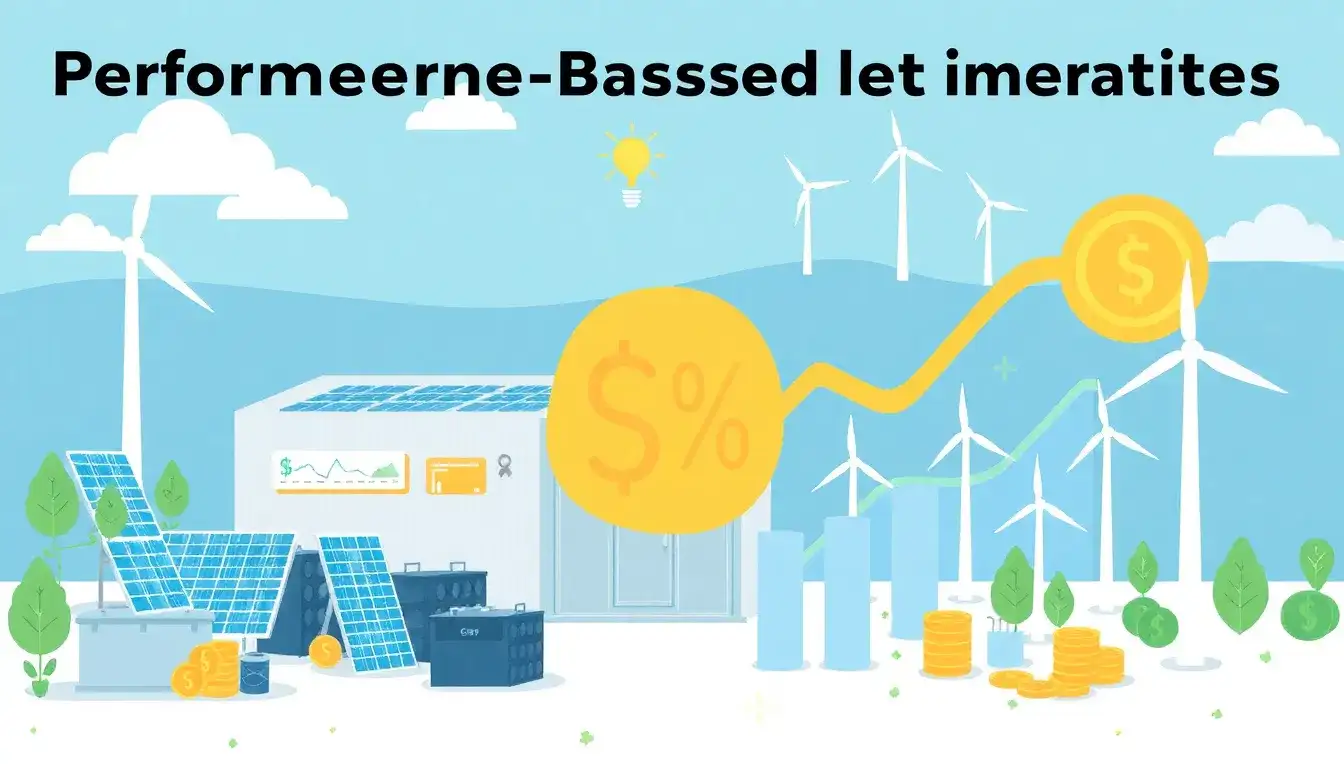
Performance-based incentives can significantly impact the overall cost of energy storage by providing financial benefits to users based on the services their systems offer to the grid. These incentives typically fall into categories such as demand response programs and virtual power plant (VPP) participation, where battery storage systems are compensated for contributing to grid stability during high-demand periods.
Key Impacts on Cost
- Reducing Initial Costs: While not directly reducing upfront costs, they can help offset long-term expenses by providing recurring income.
- Enhancing Revenue Streams: Demand response and VPP programs enable owners to earn revenue by selling stored energy back to the grid during peak demand times, which can help cover operational costs and reduce the overall cost of ownership.
- Operational Efficiency: By incentivizing optimal battery performance, these programs encourage efficient use of storage systems, which can extend their lifespan and reduce maintenance costs.
- Market Value: Performance-based incentives help increase the market value of energy storage systems by demonstrating their utility in supporting grid stability, making them more attractive investments.
Examples by State
- Connecticut: Offers a performance-based incentive where residential customers can earn up to $200/kW in summer and $25/kW in winter for participating in active dispatch events.
- Massachusetts: The ConnectedSolutions program pays businesses for reducing energy during peak periods, further highlighting the impact on cost reduction through revenue generation.
Overall, performance-based incentives are crucial for making energy storage more financially viable by providing ongoing benefits that can help offset the high upfront costs associated with these systems.
Original article by NenPower, If reposted, please credit the source: https://nenpower.com/blog/how-do-performance-based-incentives-impact-the-overall-cost-of-energy-storage/

