

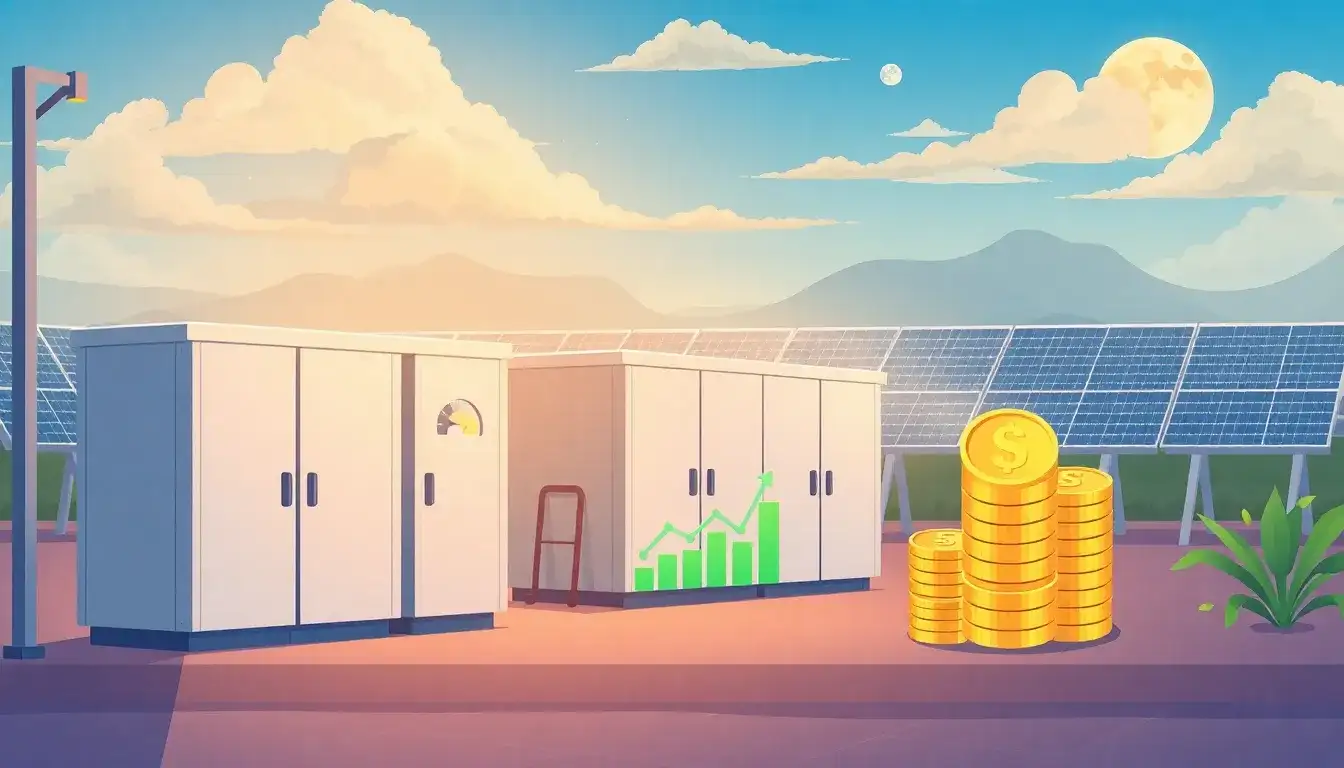
Performance-based incentives for energy storage systems are designed to encourage the effective use of these systems to support grid stability and peak demand reduction. Here’s how these incentives typically work:
Overview of Performance-Based Incentives
- Basic Principle: These incentives compensate energy storage system owners based on the actual performance of their systems, such as providing power during peak demand periods or participating in demand response programs.
- Types of Programs: Common programs include virtual power plants (VPPs), where multiple battery systems are aggregated and dispatched by utilities during peak hours, and demand response programs, where batteries supply power when demand is high.
How Performance-Based Incentives Work
- Participation Requirements: To receive incentives, energy storage systems must be enrolled in active dispatch programs that allow utilities to draw power from them during specific times, typically when electricity demand is at its highest.
- Active Dispatch Events: These events occur during predefined peak demand periods, such as summer afternoons or winter evenings. The standard duration of an event is usually about three hours, and utilities typically provide a 24-hour notice before an event.
- Incentive Calculation: Incentives are calculated based on the system’s contribution, often measured by the average kilowatt (kW) of power provided during each event. For instance, incentives might be up to $200 per kW during summer peaks in some programs.
- Duration of Incentives: Incentives can be payable for up to 10 years, depending on the program.
- Additional Considerations: Some providers may retain a portion of the incentive, so participants should check with their installer or manufacturer for details.
Examples and Variations
- Connecticut: Offers an Energy Storage Solutions program that combines upfront rebates with performance incentives for residential and commercial customers. Performance incentives are tiered by year and season.
- Maine: Efficiency Maine offers performance-based incentives for commercial, institutional, and governmental customers, focusing on reducing peak summer demand.
Benefits and Impact
- Grid Stability: Performance-based incentives help utilities manage peak demand, reducing strain on the grid and the need for costly peaking power plants.
- Financial Benefits: They provide ongoing revenue streams for system owners, helping offset initial investment costs.
Overall, performance-based incentives are crucial for encouraging the effective deployment of energy storage systems and aligning their use with broader energy policy goals.
Original article by NenPower, If reposted, please credit the source: https://nenpower.com/blog/how-do-performance-based-incentives-for-energy-storage-work/

