

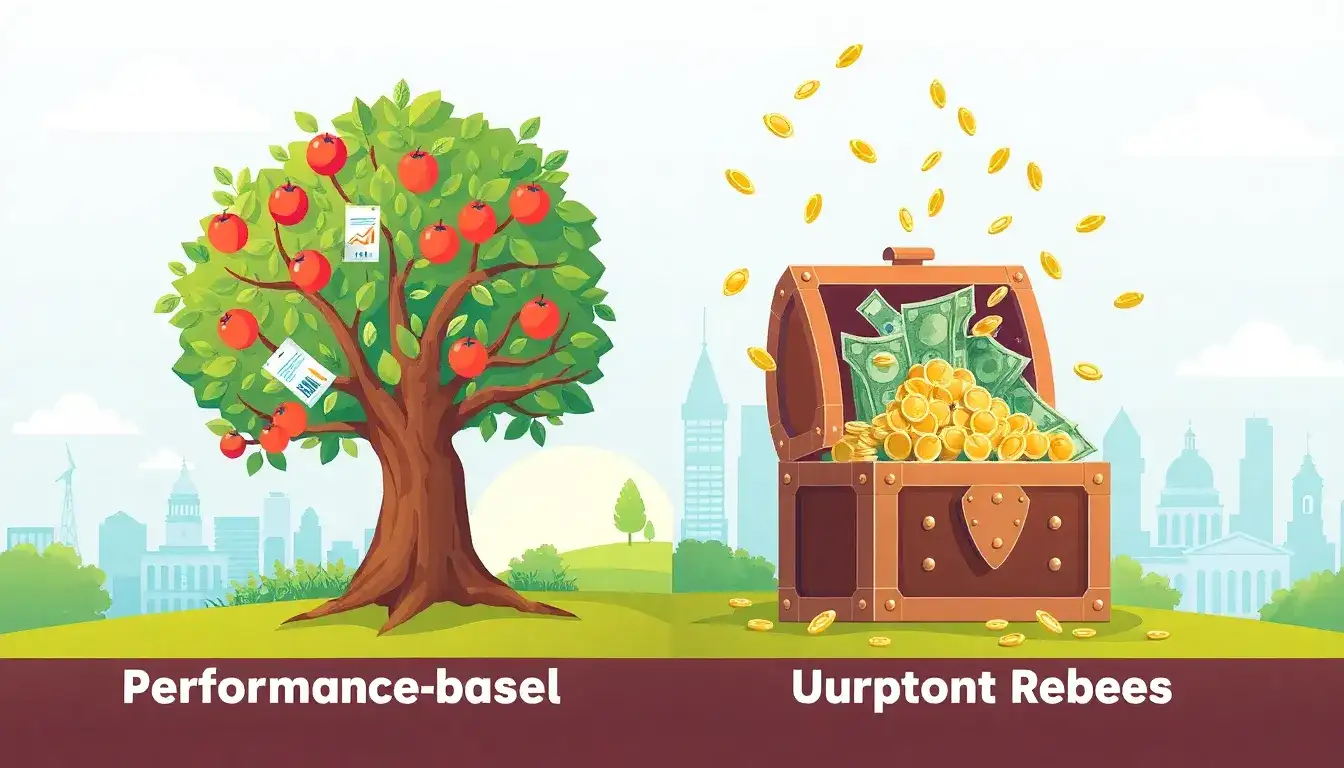
Performance-based incentives and upfront rebates
Performance-based incentives and upfront rebates differ significantly in their structure and purpose at the state level, particularly in the context of energy efficiency and storage.
Upfront Rebates
Definition: Upfront rebates are financial incentives provided at the time of purchase or installation. They reduce the initial cost of energy-efficient products or upgrades, making them more affordable for consumers.
Example: In California, the Self Generation Incentive Program (SGIP) offers a 50% upfront rebate for certain energy storage projects. Similarly, Connecticut’s Energy Storage Solutions program provides upfront rebates that can cover up to 50% of the battery’s cost.
Key Characteristics:
- Immediate Cost Reduction: The rebate is applied directly at the time of purchase, reducing the upfront cost.
- Promotes Initial Investment: Encourages individuals and businesses to invest in energy-efficient technologies.
Performance-Based Incentives
Definition: Performance-based incentives are rewards that depend on the actual energy savings or performance achieved over time. They encourage ongoing efficiency and maintenance.
Example: Massachusetts’ ConnectedSolutions program offers performance payments based on actual energy savings achieved. Home Efficiency Rebates (HER) are performance-based, rewarding homeowners for modeled or measured energy savings.
Key Characteristics:
- Long-Term Benefits: Incentives are awarded over time, based on performance metrics like energy savings.
- Encourages Ongoing Efficiency: Promotes continuous usage of efficient practices and maintenance of energy-efficient systems.
In summary, upfront rebates facilitate the initial adoption of energy-efficient technologies by reducing upfront costs, while performance-based incentives encourage sustained efficiency and performance by offering benefits based on long-term outcomes.
Original article by NenPower, If reposted, please credit the source: https://nenpower.com/blog/how-do-performance-based-incentives-differ-from-upfront-rebates-at-the-state-level/

