

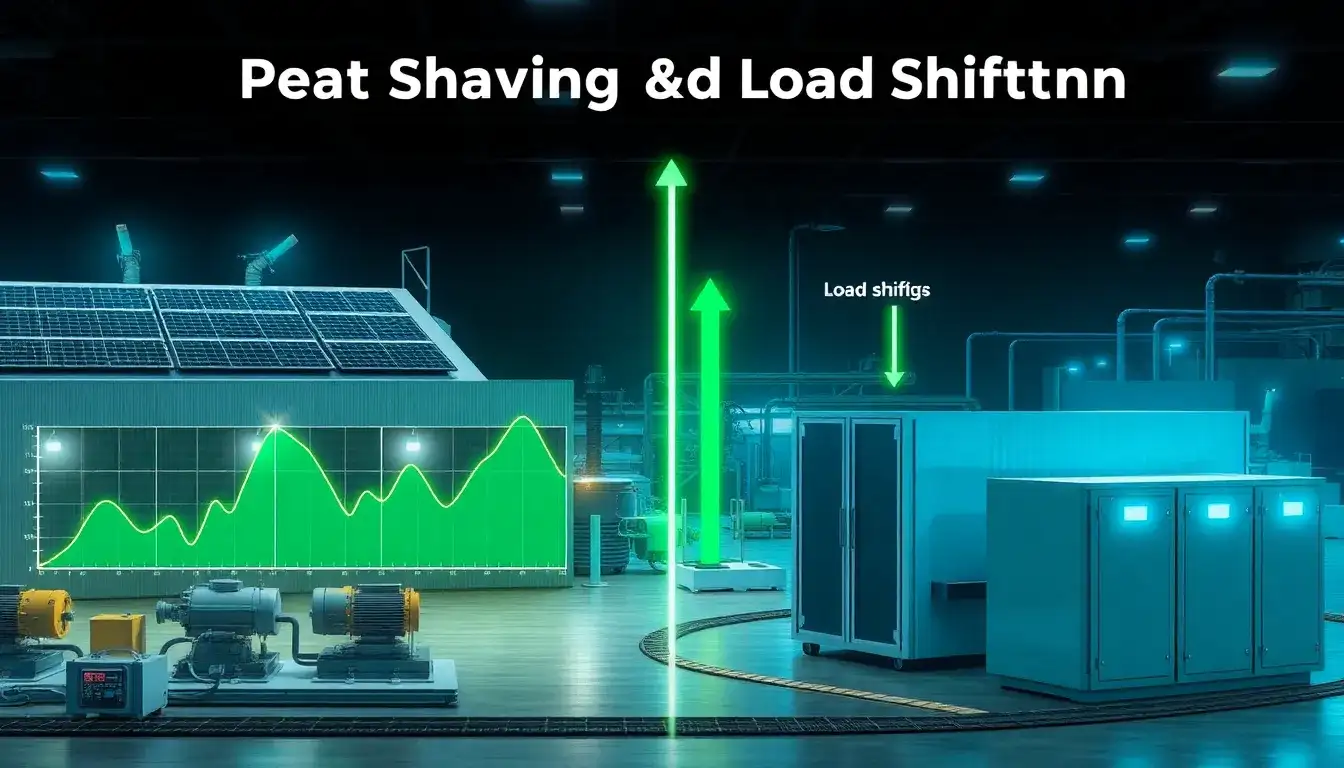
Peak shaving and load shifting are two energy management strategies that significantly impact the overall efficiency of an industrial facility. Both methods aim to reduce stress on the grid during peak demand times but differ in their approaches:
Peak Shaving
Impact on Efficiency:
- Reduces Peak Demand: Peak shaving involves reducing energy consumption during peak hours by utilizing alternative energy sources such as on-site generation or energy storage systems like batteries. This approach effectively “shaves” the peak demand, lowering the maximum amount of electricity drawn from the grid during expensive periods.
- Cost Savings: By reducing peak demand, facilities can lower their demand charges, which often constitute a substantial part of their electricity bills.
- Stability and Reliability: Peak shaving enhances grid stability by preventing overloading during peak times, thus reducing the risk of power outages.
- Energy Source Flexibility: Peak shaving allows for the integration of renewable energy sources when paired with energy storage, supporting sustainability efforts.
Load Shifting
Impact on Efficiency:
- Redistributes Energy Consumption: Load shifting involves scheduling energy-intensive activities from peak hours to off-peak hours, thereby smoothing out the demand curve.
- Cost Reduction: Shifting energy use to off-peak hours when energy costs are lower can result in significant savings for industrial facilities.
- Operational Flexibility: While load shifting doesn’t reduce overall energy consumption, it optimizes the timing of energy use to align with economic benefits.
- Grid Management: Load shifting helps utilities manage grid demand more effectively, reducing the need for expensive peaking power plants.
Overall Impact on Facility Efficiency
- Financial Benefits: Both strategies offer cost savings by optimizing energy use during peak periods.
- Operational Efficiencies: By integrating these strategies, facilities can maintain operational consistency while reducing grid stress.
- Environmental Impact: They promote the use of renewable energy sources and improve grid stability, contributing to environmental sustainability.
In summary, peak shaving and load shifting are critical tools for industrial facilities seeking to enhance energy efficiency and reduce costs. The choice between them often depends on the operational flexibility and energy demand profile of the facility.
Original article by NenPower, If reposted, please credit the source: https://nenpower.com/blog/how-do-peak-shaving-and-load-shifting-impact-the-overall-efficiency-of-an-industrial-facility/

