

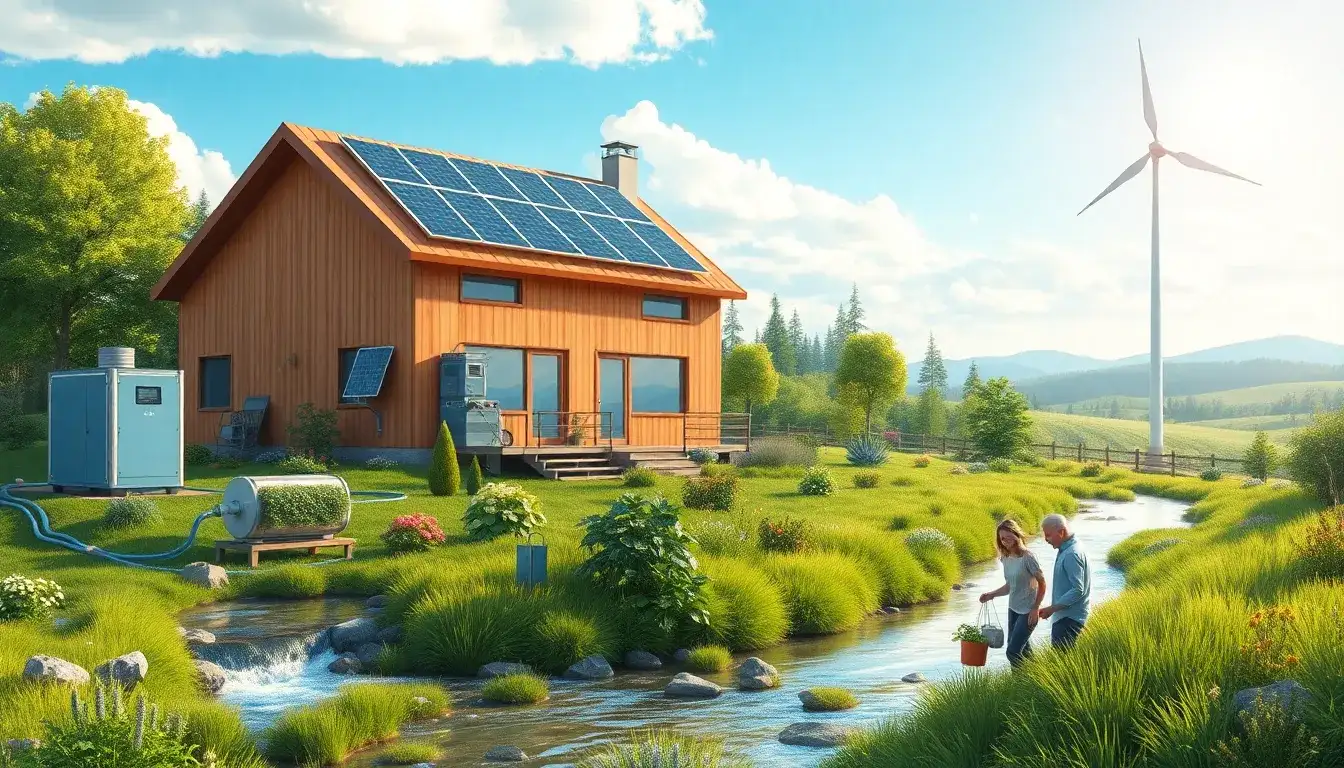
How Off-Grid Systems Contribute to Energy Independence
Off-grid systems play a crucial role in achieving energy independence by allowing individuals and communities to generate their own power without relying on the central electrical grid. Here are some key ways off-grid systems contribute to energy independence:
1. Renewable Energy Generation
Off-grid systems primarily use renewable energy sources such as solar panels, wind turbines, or hydroelectric setups. These sources are sustainable and reduce reliance on traditional fossil fuels, thereby lowering carbon emissions and environmental impact.
2. Reduced Grid Dependency
By generating their own power, individuals and communities can disconnect from the conventional energy grid. This independence is particularly valuable in remote locations where extending the grid is economically impractical or environmentally unsustainable.
3. Cost Savings and Financial Freedom
Although the initial investment in off-grid infrastructure can be high, the long-term savings on energy bills can be substantial, providing financial freedom over time. This aspect is especially appealing as energy prices rise globally.
4. Reliability and Resilience
Off-grid systems can provide reliable power even in areas with unreliable grid access or during natural disasters that disrupt the central grid. Technologies like Solid Oxide Fuel Cells (SOFC) offer consistent power output regardless of weather conditions, enhancing energy reliability.
5. Environmental Stewardship
Off-grid systems support a reduction in carbon footprints and minimize environmental impact. By using clean energy sources, they contribute to global efforts aimed at environmental conservation and sustainable development.
6. Customization and Adaptability
These systems are highly customizable to meet specific needs and adapt to diverse environments. Whether it’s a small cabin or a larger community, off-grid solutions can be tailored to utilize available energy resources effectively.
7. Promoting Self-Sufficiency
Living off the grid encourages self-reliance and the development of essential skills, such as managing energy systems and troubleshooting issues. This self-sufficiency can be empowering and fulfilling for individuals and families.
Overall, off-grid systems offer a pathway to energy independence by providing a sustainable, reliable, and cost-effective way to meet energy needs without reliance on the central grid.
Original article by NenPower, If reposted, please credit the source: https://nenpower.com/blog/how-do-off-grid-systems-contribute-to-energy-independence/

