

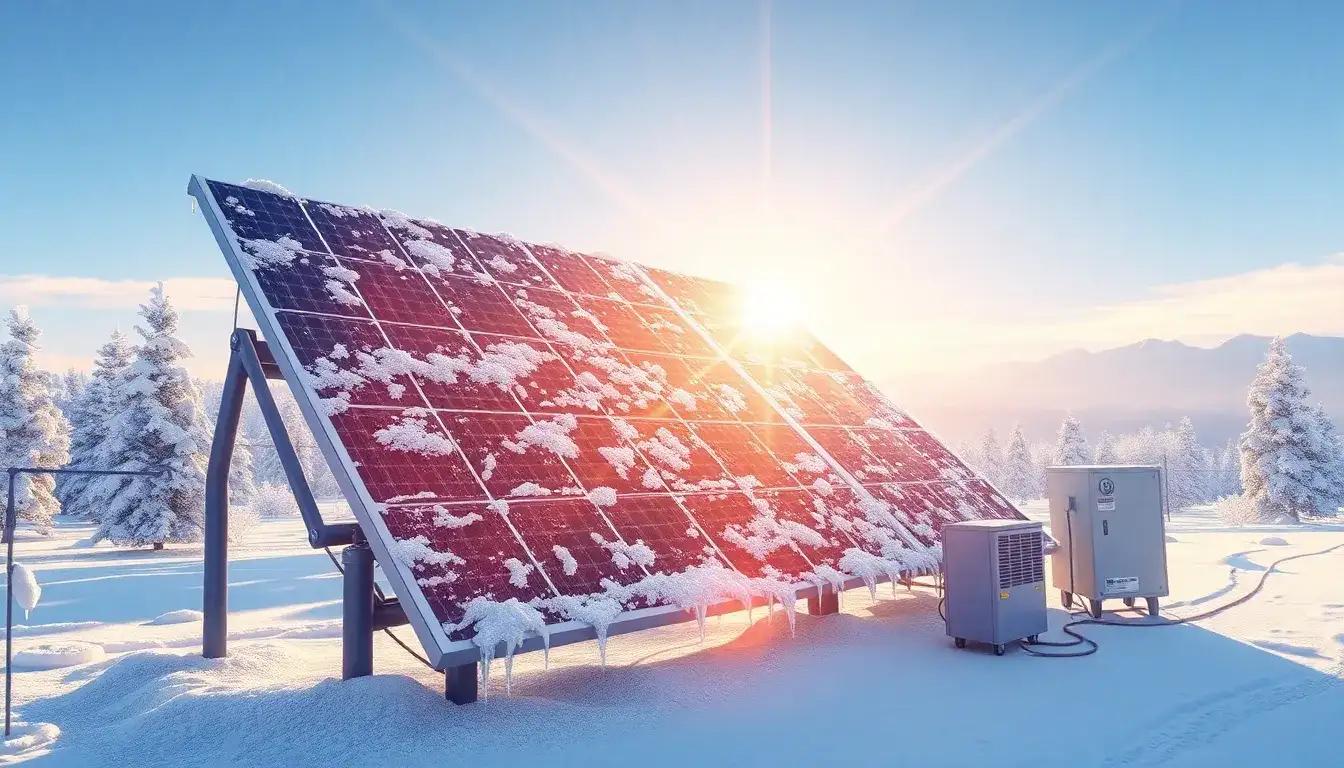
N-type solar panels perform very well in cold weather due to key physical and material properties that enhance their efficiency and durability in such conditions.
Why N-type Solar Panels Excel in Cold Weather
- Improved Efficiency in Cold Temperatures: Solar panels, including N-type, generally become more efficient as temperatures drop. This is because the electrical resistance of their semiconductor materials decreases, resulting in higher electrical output under cold conditions. Unlike heat, which can degrade performance, the cool environment enhances their energy conversion capabilities.
- Lower Temperature Coefficient: N-type solar cells have a lower temperature coefficient than traditional P-type cells. This means their performance declines less with rising temperatures, but it also implies they maintain strong performance at lower temperatures, helping sustain high efficiency in cold climates.
- High-Quality Silicon and Passivated Contacts: N-type panels use silicon doped with extra electrons, enabling better charge carrier transport and fewer recombination losses. Technologies like TOPCon (tunnel oxide passivated contact) further reduce energy losses and enhance power output, even in cold or low-light conditions.
Advantages in Cold and Snowy Climates
- Durability and Longevity: The robust construction and material quality of N-type panels give them longer lifespans and reliable operation through harsh winters and freeze-thaw cycles.
- Performance Despite Shorter Daylight: Even though cold regions might have shorter winter days and potential snow coverage, N-type panels’ enhanced efficiency means they still perform well during limited sunlight periods.
- Snow Handling: While snow cover can temporarily reduce output, cold weather paired with sunlight still allows panels to generate electricity efficiently. Additionally, bifacial N-type panels can utilize reflected light from snow to increase yields.
- Practical Installation Benefits: Expert installation with optimized tilt angles helps improve sunlight capture and promote snow shedding, further mitigating cold weather challenges.
Summary
N-type solar panels are well matched to cold weather environments. Their semiconductor physics, lower temperature coefficients, and high-quality construction lead to:
- Increased electrical output at low temperatures due to reduced resistance.
- Sustained high efficiency despite harsh cold and less sunlight.
- Enhanced durability and better long-term performance under winter stresses.
While factors like snow cover and shorter days affect all solar panels, N-type panels consistently outperform traditional types in cold climates, making them an excellent choice for renewable energy generation in northern, snowy, or winter-intense regions.
Original article by NenPower, If reposted, please credit the source: https://nenpower.com/blog/how-do-n-type-solar-panels-perform-in-cold-weather/

