

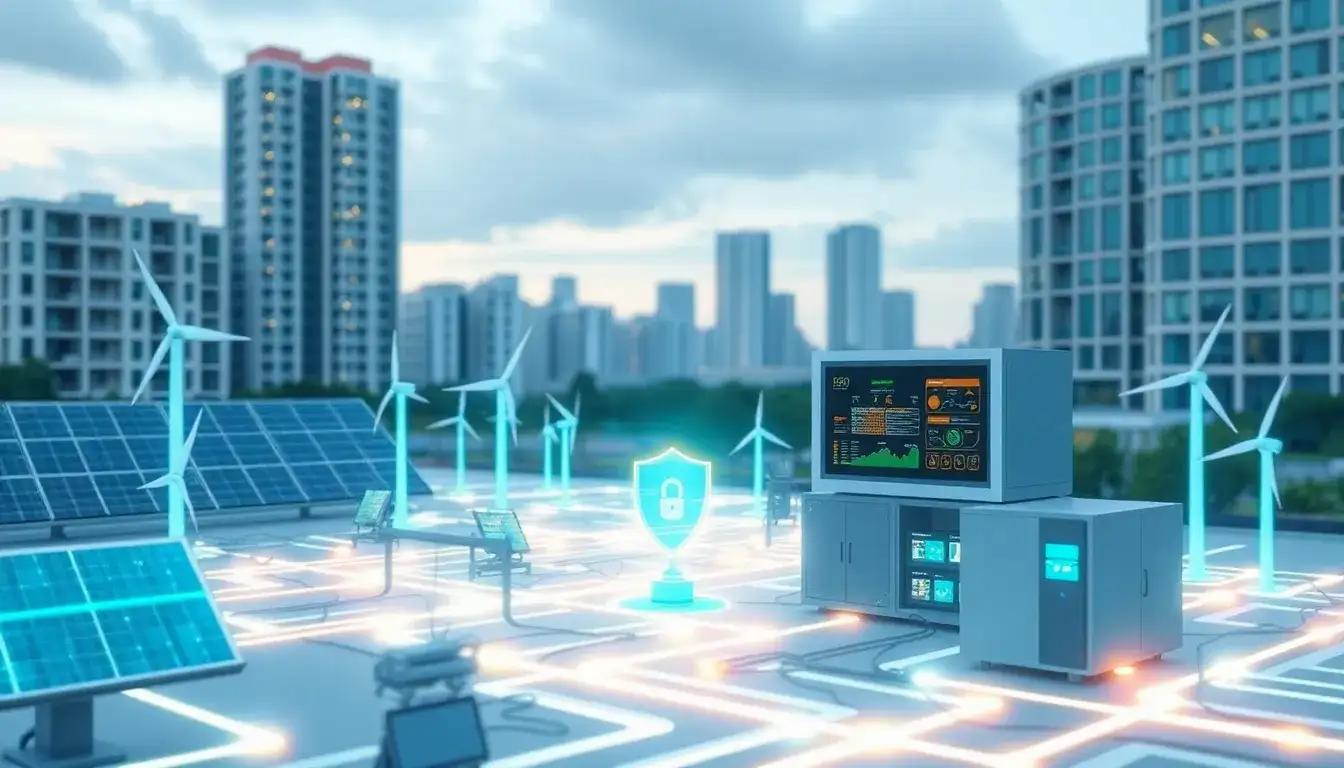
Microgrids enhance cybersecurity for energy systems in several key ways:
Advantages of Microgrids in Cybersecurity
1. Distributed Architecture
- Difficulty in Attacking: Microgrids use a distributed architecture with multiple points of power generation, making it harder for cyber terrorists to attack the system as a whole. Unlike centralized systems, microgrids do not have a single point of failure.
- Segmentation: Microgrids can be segmented into sub-grids that can operate independently or in isolation from the main grid and other sub-grids. This segmentation enhances security by limiting the scope of a potential attack.
2. Redundancy and Resilience
- Multi-Source Generation: If one generation source fails due to a cyber attack, other sources can continue to generate electricity. This redundancy ensures that power remains available even if part of the system is compromised.
- Continuous Operation: Microgrids can provide continuous electricity through battery storage and other backup systems, maintaining critical services during outages.
3. Islanding Capability
- Autonomous Operation: Microgrids can disconnect from the main grid and operate autonomously if needed. This “islanding” capability allows them to maintain power supply during external grid failures, whether due to cyber attacks or physical disruptions.
- Protection Against Cascading Failures: By isolating from the main grid, microgrids prevent cascading failures that could otherwise spread through the entire energy network.
4. Advanced Cybersecurity Measures
- Technological Enhancements: Microgrids can integrate advanced cybersecurity technologies such as AI for threat detection, blockchain for data security, and encryption to protect communication networks.
- Defense-in-Depth Strategy: Implementing multiple layers of defense (e.g., firewalls, intrusion detection systems) helps protect against cyber threats, ensuring that if one layer is breached, others remain robust.
5. Real-World Applications
- Disaster Recovery: Microgrids have proven beneficial in disaster recovery scenarios, such as providing power after natural disasters like Hurricane Maria in Puerto Rico.
- Critical Infrastructure Support: They support critical facilities like hospitals and military bases, ensuring continuous operation even during crisis situations.
Overall, the decentralization, redundancy, and advanced cybersecurity measures of microgrids make them a robust solution for enhancing energy system cybersecurity.
Original article by NenPower, If reposted, please credit the source: https://nenpower.com/blog/how-do-microgrids-enhance-cybersecurity-for-energy-systems/

