

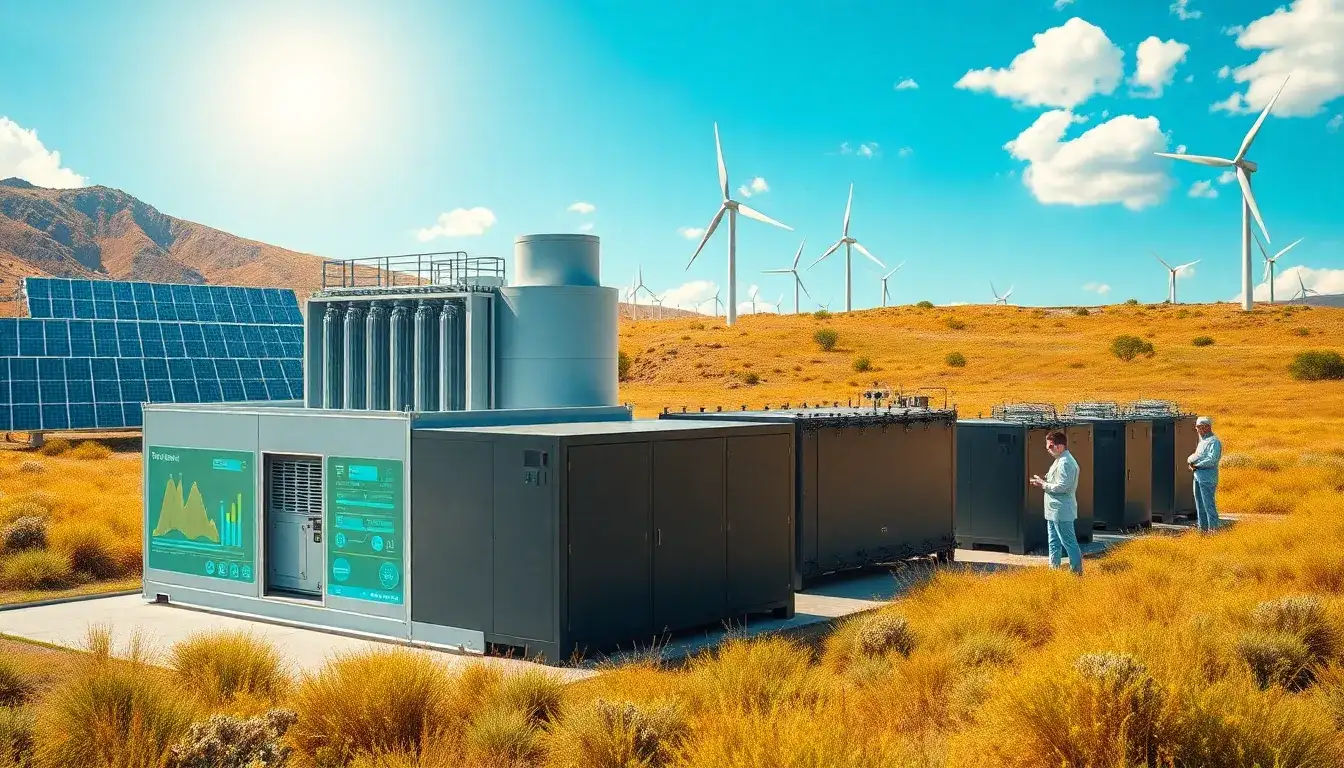
Long-duration energy storage (LDES) systems are increasingly competing with shorter-duration lithium-ion batteries due to several key factors:
Cost and Duration
- Cost Efficiency for Long-Duration: Some LDES technologies, such as thermal energy storage and compressed air storage, are already offering lower costs than lithium-ion batteries for durations exceeding eight hours. For instance, thermal energy storage has a capital expenditure (capex) of approximately $232/kWh, while lithium-ion systems cost around $304/kWh for four-hour duration applications.
- Increasing Lithium-Ion Durability: Despite LDES advancements, lithium-ion batteries are improving in both cost and duration, making them more versatile. Some lithium-ion projects now plan to discharge energy over eight hours, up from the typical few hours, making competition tougher for alternatives.
Market Demand and Technology Evolution
- Growing Demand for LDES: As the energy sector shifts towards decarbonization and integrating more intermittent renewable sources, the demand for LDES technologies is rising. This could help LDES systems scale and reduce costs over time.
- Technological Diversity and Innovation: LDES includes a range of technologies like flow batteries, compressed air storage, and gravity energy storage, each with different advantages and challenges. Innovation and cost reduction in these areas will play a crucial role in competing with lithium-ion.
Advantages of Lithium-Ion
- Established Infrastructure and Use: Lithium-ion batteries have a well-established market presence in both transportation and power sectors, allowing them to benefit from economies of scale and extensive research and development investments.
- Wide Application Range: Lithium-ion batteries are versatile, used from small-scale consumer electronics to large-scale energy storage applications.
Challenges for LDES
- Higher Initial Costs and Complexity: Many LDES technologies are still in early development, leading to higher costs and operational complexities compared to mature lithium-ion technologies.
- Cost Reduction Challenges: While LDES costs are expected to decrease, they are unlikely to drop as rapidly as those of lithium-ion batteries in the short term due to the latter’s extensive market penetration and economies of scale.
In summary, long-duration energy storage technologies compete with lithium-ion batteries by offering cost-effective solutions for longer storage durations, leveraging diverse technologies to meet growing demand for stable renewable integration, and potentially benefiting from scalability and cost reductions as they mature. However, they face challenges from the established infrastructure and rapid cost reductions of lithium-ion batteries.
Original article by NenPower, If reposted, please credit the source: https://nenpower.com/blog/how-do-long-duration-energy-storage-systems-compete-with-shorter-duration-lithium-ion-batteries/

