

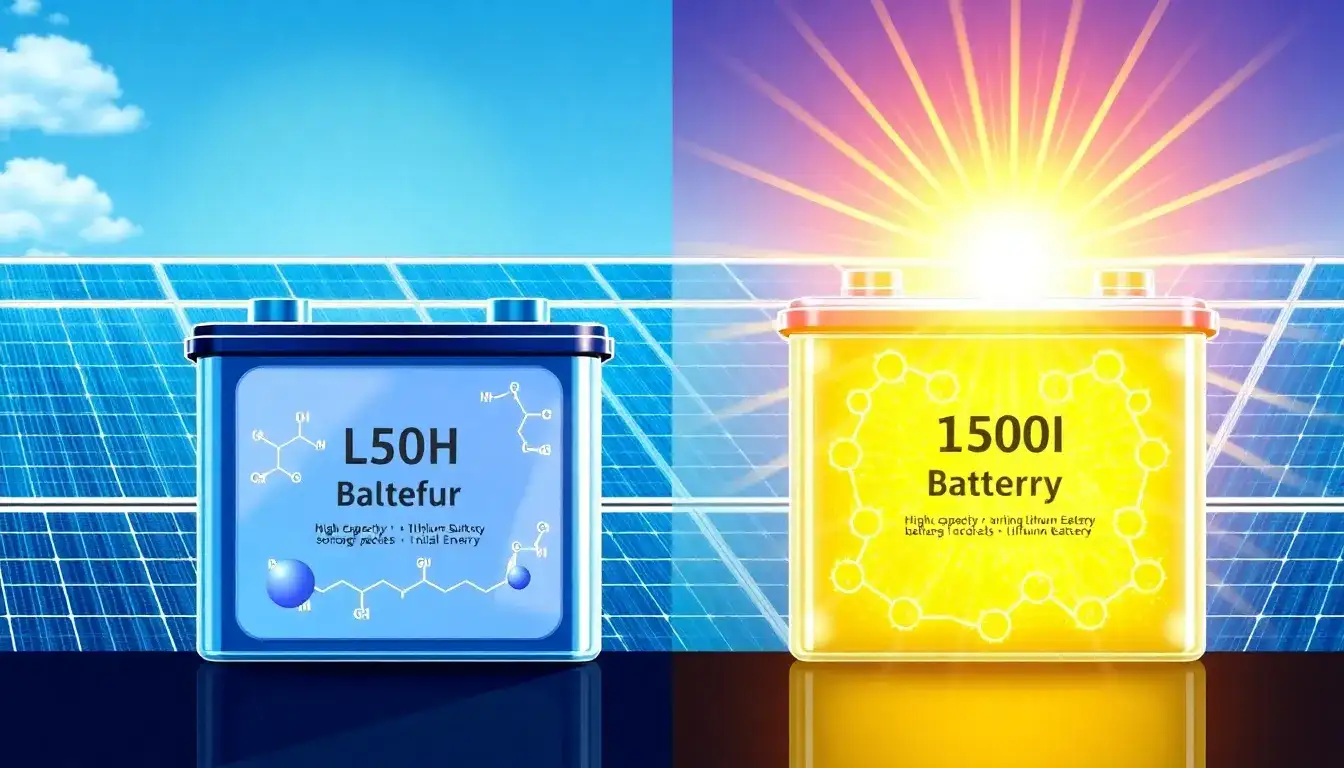
Lithium-Sulfur vs. Lithium-Ion Batteries in Solar Energy Applications
When comparing lithium-sulfur (Li-S) batteries to traditional lithium-ion (Li-ion) batteries in solar energy applications, several key differences emerge:
Advantages of Lithium-Sulfur Batteries
- Higher Energy Density: Li-S batteries offer significantly higher theoretical energy density, potentially up to five times that of Li-ion batteries. This means they can store more energy per unit mass, which is beneficial for applications requiring high energy storage capacity, such as grid-scale solar energy systems.
- Lightweight and Cost-Effective: Sulfur is lighter and less expensive than materials used in Li-ion batteries, such as cobalt. This reduces production costs and can enhance overall efficiency in solar installations by allowing for lighter systems.
- Environmental Friendliness: Li-S batteries use sulfur, a relatively non-toxic and abundant material, making them more environmentally friendly compared to Li-ion batteries that rely on heavy metals like cobalt.
Challenges of Lithium-Sulfur Batteries
- Shorter Cycle Life: Li-S batteries currently have a shorter cycle life compared to Li-ion batteries due to issues like sulfur cathode degradation and polysulfide dissolution in the electrolyte. This can limit their lifespan in frequent charge/discharge cycles typical in solar applications.
- Safety Concerns: While sulfur itself is non-flammable and less toxic, the overall safety of Li-S batteries is still under research, particularly regarding lithium dendrite formation and electrolyte stability.
Practical Considerations for Solar Energy Applications
- Grid-Scale Energy Storage: Li-S batteries could be particularly advantageous in large-scale solar energy storage due to their high energy density, but their reliability and cycle life need improvement to match the consistent output required by solar grids.
- Residential Solar Systems: For home installations, Li-S batteries might offer cost savings and higher energy capacity, but their current limitations make Li-ion batteries a more practical choice due to their proven reliability and long cycle life.
In summary, lithium-sulfur batteries offer promising advantages for solar energy applications, such as higher energy density and cost-effectiveness, but challenges related to cycle life and safety must be addressed before they can fully compete with traditional lithium-ion batteries.
Original article by NenPower, If reposted, please credit the source: https://nenpower.com/blog/how-do-lithium-sulfur-batteries-compare-to-traditional-lithium-ion-batteries-in-solar-energy-applications/

