

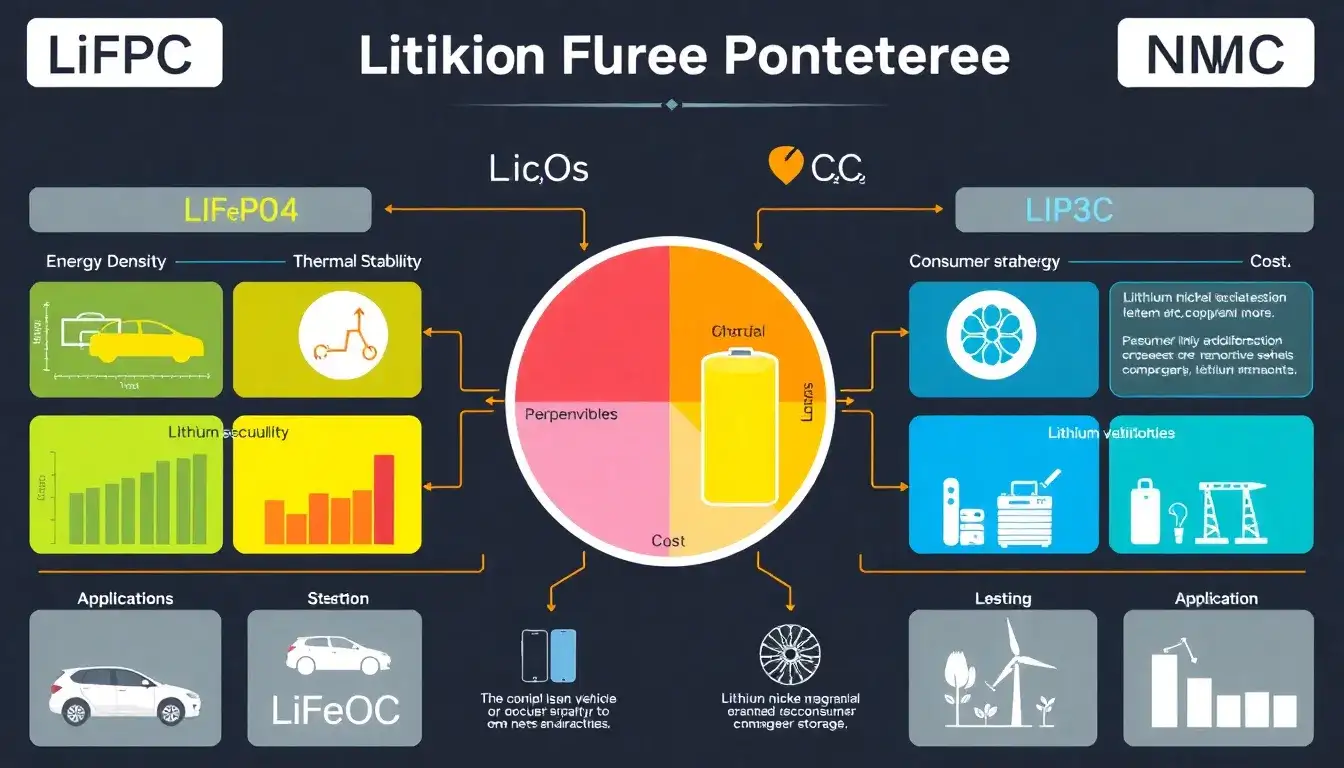
Lithium Iron Phosphate (LiFePO4) batteries and other lithium-ion chemistries have distinct differences in several key areas including safety, energy density, lifecycle, and environmental impact. Here’s a comprehensive comparison:
Safety
- LiFePO4 Batteries: These are generally safer due to their less volatile chemistry, which reduces the risk of overheating and thermal runaway. This makes them ideal for applications where safety is paramount, such as solar systems, electric vehicles, and industrial equipment.
- Other Lithium-Ion Batteries: While generally safe when used properly, these batteries are more prone to overheating and catching fire, especially if damaged or improperly handled.
Energy Density
- LiFePO4 Batteries: Offer a lower energy density, typically ranging between 90 and 120 Wh/kg, which means they are heavier and larger than other lithium-ion batteries for the same capacity.
- Other Lithium-Ion Batteries: Have a higher energy density, often between 150 and 200 Wh/kg, making them lighter and more compact for high-energy applications like portable electronics.
Lifecycle
- LiFePO4 Batteries: Enjoy a longer lifecycle with up to 10,000 cycles without significant degradation, making them suitable for long-term use in embedded systems.
- Other Lithium-Ion Batteries: Typically have a shorter lifecycle of around 500 to 1,000 cycles, which can be further reduced by high temperatures.
Environmental Impact and Recycling
- LiFePO4 Batteries: These are easier to recycle due to their iron phosphate cathode material, which is less toxic and has fewer environmental concerns compared to nickel or cobalt used in other lithium-ion batteries.
- Other Lithium-Ion Batteries: Contain materials like cobalt and nickel, which are in short supply and can pose recycling challenges due to toxicity concerns.
Cost and Performance
- LiFePO4 Batteries: Generally less expensive to produce, but their lower energy density means more are needed for equivalent performance, which can offset cost advantages.
- Other Lithium-Ion Batteries: While more expensive to produce, their higher energy density makes them more efficient for use in smaller devices and high-performance applications.
Applications
- LiFePO4 Batteries: Well-suited for off-grid power systems, electric vehicles where safety and durability are prioritized, and backup power solutions.
- Other Lithium-Ion Batteries: Often chosen for portable electronics and high-drain devices where compact size and high energy density are required.
In summary, LiFePO4 batteries offer enhanced safety, longer cycles, and easier recycling, while other lithium-ion chemistries provide higher energy density and are preferred in applications requiring compact, high-energy storage. The choice between these technologies depends on specific application needs, such as safety, cost, and performance requirements.
Original article by NenPower, If reposted, please credit the source: https://nenpower.com/blog/how-do-lithium-iron-phosphate-batteries-compare-to-other-lithium-ion-chemistries/

