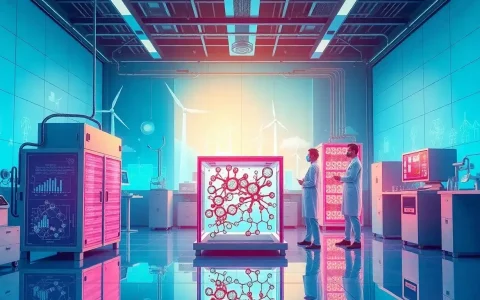
Lithium-ion batteries play a crucial role in supporting decentralized energy systems by offering several key benefits:
Key Advantages of Lithium-Ion Batteries
- Flexibility and Modularity: Lithium-ion batteries are modular and scalable, allowing them to be easily integrated into decentralized energy systems such as microgrids and distributed energy resources (DERs). This modular design facilitates expansion as energy demands grow, enabling efficient addition of more battery modules to increase storage capacity.
- Fast Charging and Discharging: These batteries can quickly absorb and store energy from renewable sources during peak generation periods, such as when the sun is bright or the wind is strong. This capability ensures that excess energy is efficiently captured and stored, reducing the risk of energy loss due to insufficient storage capacity.
- Improved Grid Resilience: By deploying smaller-scale battery systems closer to the point of consumption in decentralized setups, lithium-ion batteries help reduce transmission losses and improve grid resilience. This localized energy management allows for more flexible and responsive power supply systems.
- High Energy Density: Lithium-ion batteries provide high energy density, allowing for more energy to be stored in a smaller space. This makes them particularly suitable for both residential and commercial applications within decentralized energy systems, enhancing their overall efficiency and reliability.
Role in Supporting Decentralized Energy
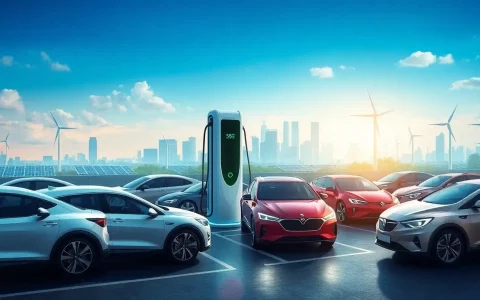
- Integration with Renewable Energy: Lithium-ion batteries are integral for stabilizing grid operations when integrated with renewable energy sources. They help manage the variability of solar and wind energy, ensuring a consistent power supply by storing excess energy produced during peak periods and releasing it when needed.
- Supporting Microgrids and Local Power Generation: In decentralized settings, lithium-ion batteries support microgrids by offering flexibility and reliability, particularly in remote or underserved areas. They enable local energy generation and consumption, reducing dependency on central infrastructure.
In summary, lithium-ion batteries are crucial for decentralized energy systems due to their modular scalability, fast charging capabilities, high energy density, and ability to enhance grid resilience and support local power generation.
Original article by NenPower, If reposted, please credit the source: https://nenpower.com/blog/how-do-lithium-ion-batteries-support-decentralized-energy-systems/