

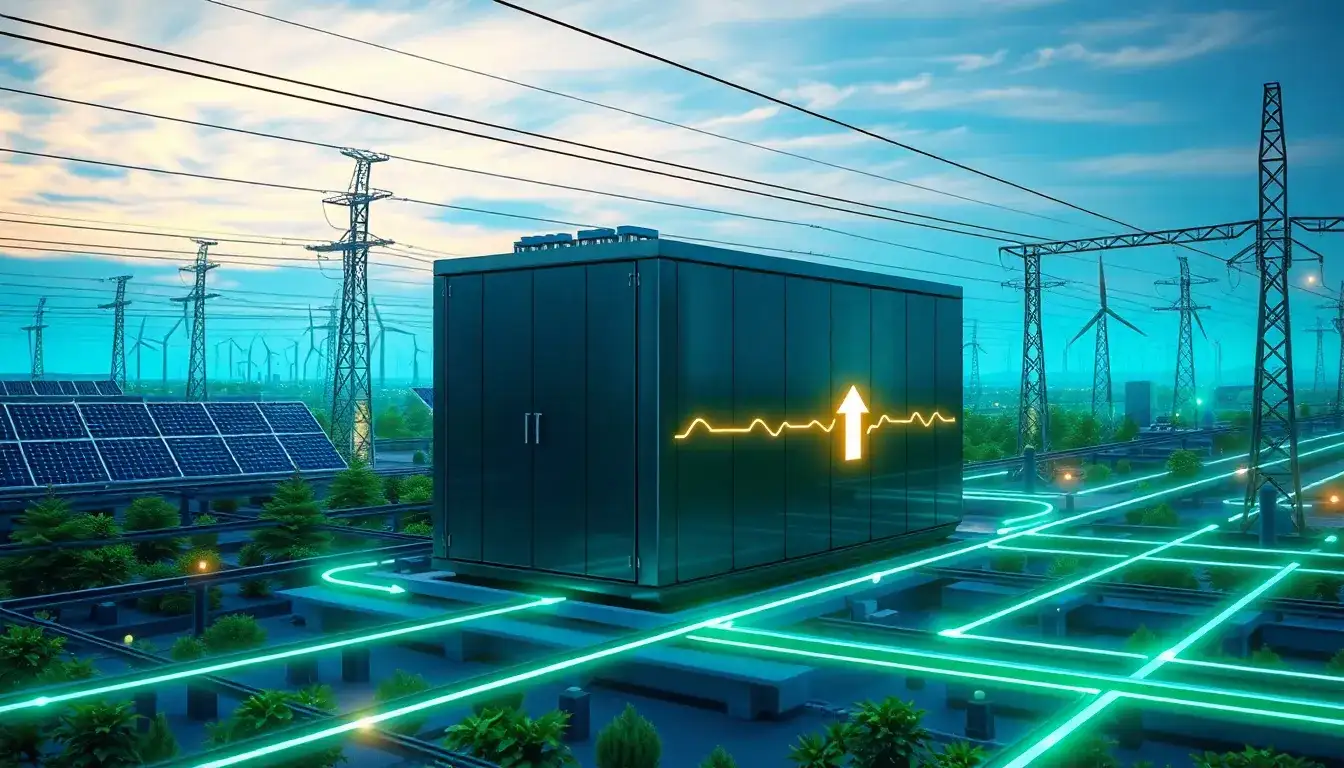
Lithium-ion batteries play a crucial role in balancing supply and demand on the grid, particularly in systems that increasingly rely on variable renewable energy sources like solar and wind. Here are key ways they help:
Balancing Functions
- Short-Term Balancing: Lithium-ion batteries are effective for short-term balancing in the grid, covering periods from a few seconds to several hours. They help stabilize the grid during sudden changes in renewable energy output, which can occur rapidly with sources like solar and wind.
- Managing Peak Loads: Batteries can manage peak loads by storing excess energy during times of low demand and releasing it when demand peaks. This helps to prevent strain on the grid during high usage periods and ensures a more consistent supply of electricity.
- Load Shifting: By storing energy generated during off-peak hours and releasing it during peak hours, batteries enable load shifting. This reduces the strain on the grid during peak demand periods, such as late afternoon or early evening when both residential and commercial demands are high.
Operational Advantages
- High Efficiency: Lithium-ion batteries have a high energy density and low self-discharge rate, meaning they can store a large amount of energy relative to their size and retain it over time without significant loss.
- Efficient Charging/Discharging: Advanced battery management systems optimize the charging and discharging processes, ensuring that batteries operate safely and maximizing their lifespan by preventing overcharging or overheating.
Future Role
As more renewable energy is integrated into the grid, the role of lithium-ion batteries will continue to grow. The IEA projects significant growth in grid-scale battery storage capacity to help meet net-zero targets, emphasizing the need for substantial annual additions of battery capacity.
Original article by NenPower, If reposted, please credit the source: https://nenpower.com/blog/how-do-lithium-ion-batteries-help-balance-supply-and-demand-on-the-grid/

