

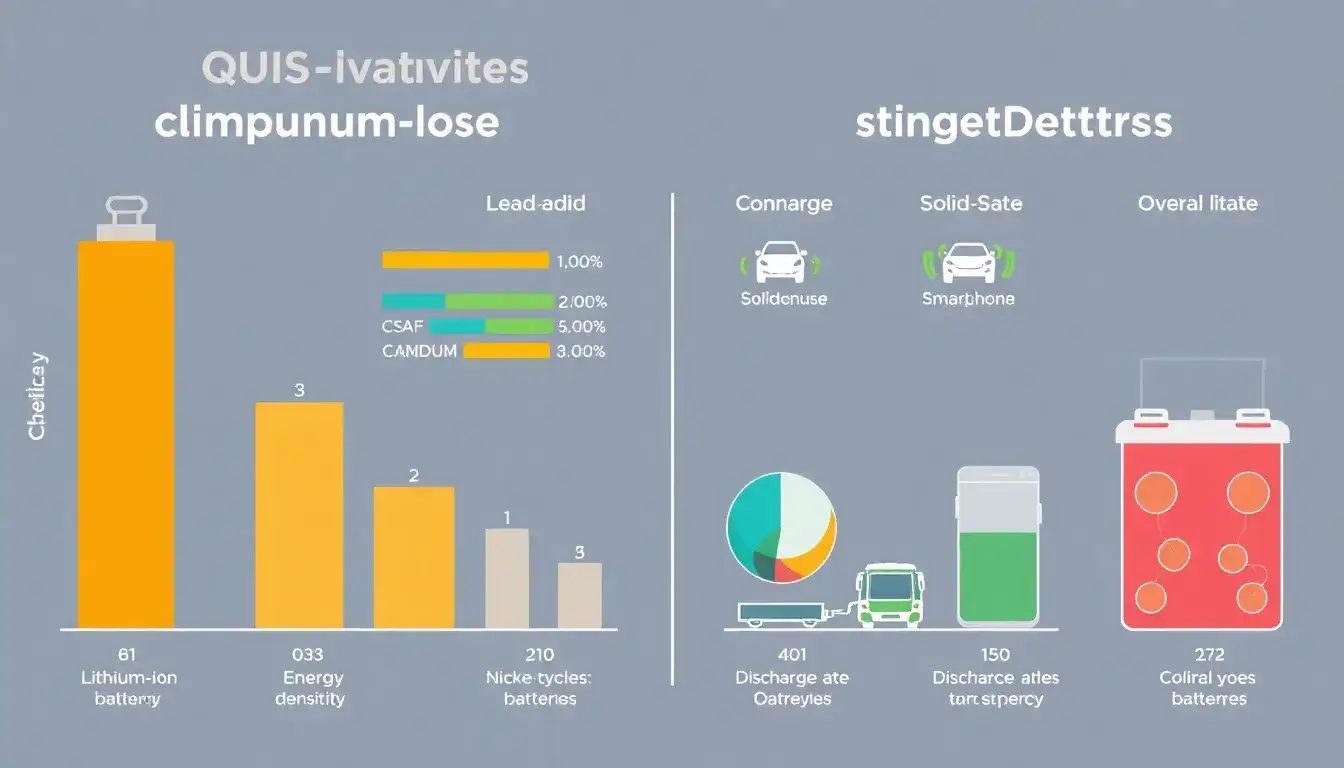
Lithium-ion batteries are highly efficient compared to other battery technologies, particularly in terms of energy density, charging efficiency, and overall performance. Here’s a comparison with lead-acid batteries, which are another common type:
Key Differences in Efficiency
- Charging Efficiency: Lithium-ion batteries typically have a charging efficiency of around 95% to 98%, depending on the condition and charge rate. Lead-acid batteries, on the other hand, generally achieve an efficiency of about 80% to 85%.
- Roundtrip Efficiency: The roundtrip efficiency, which accounts for charge and discharge losses, is significantly higher for lithium-ion batteries. It ranges between 87% and 95% for lithium-ion, whereas lead-acid batteries achieve around 57%.
- Coulombic Efficiency: Lithium-ion batteries have an exceptionally high coulombic efficiency (over 99%), indicating efficient charge transfer within the battery. Lead-acid batteries have a lower coulombic efficiency of about 90%.
Advantages of Lithium-ion Batteries
- Higher Energy Density: Lithium-ion batteries store more energy per unit weight than lead-acid batteries, making them ideal for portable devices and electric vehicles.
- Longer Lifespan: Lithium-ion batteries generally last longer than lead-acid batteries, requiring fewer replacements and reducing waste.
- Performance in Challenging Environments: Lithium-ion batteries perform better in extreme temperatures and have a more stable discharge curve compared to lead-acid batteries.
Conclusion
Overall, lithium-ion batteries offer superior efficiency and performance over lead-acid batteries, making them a preferred choice for many applications, especially those requiring high energy density and efficient charging. However, lead-acid batteries still maintain a role in specific industries due to cost considerations and suitability for certain applications.
Original article by NenPower, If reposted, please credit the source: https://nenpower.com/blog/how-do-lithium-ion-batteries-compare-to-other-battery-technologies-in-terms-of-efficiency/

