Lithium-ion batteries generally outlast lead-acid batteries in terms of lifespan and durability. Here’s a comparison of their key features:
Lifespan and Cycle Life
- Lithium-ion Batteries:
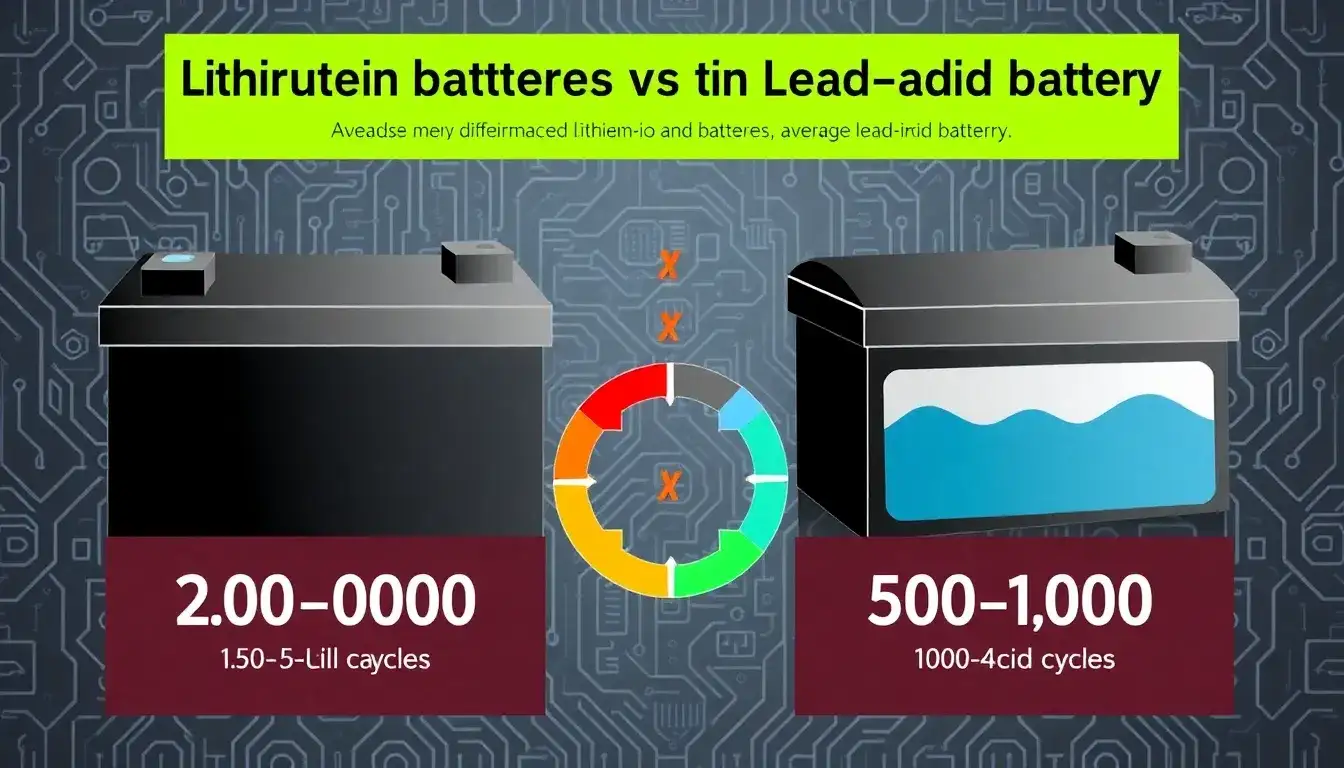
- They offer a high cycle life, typically lasting between 3,000 to 5,000 partial charge-discharge cycles.
- Their lifespan can range from 2 to 10 years for general use and up to 20 years in ideal conditions.
- Lead-acid Batteries:
- They have a much shorter cycle life, lasting about 300 to 500 cycles.
- The lifespan is generally shorter, typically around 3 to 5 years, depending on maintenance and usage conditions.
Environmental Factors and Maintenance
- Lithium-ion Batteries:
- They are more resilient to temperature changes, operating effectively between -20°C and 60°C (-4°F to 140°F).
- Proper care, including avoiding overcharging and storing in a cool dry place, can significantly prolong their lifespan.
- Lead-acid Batteries:
- They are more susceptible to environmental factors like heat, which can reduce their lifespan.
- They require more maintenance compared to lithium-ion batteries, including regular checks and top-offs.
Efficiency and Safety
- Lithium-ion Batteries: Known for their efficiency and safety, with no memory effect, allowing partial charging to prolong lifespan.
- Lead-acid Batteries: Generally heavier and less efficient; they can be more hazardous due to acid leakage risks.
Overall, lithium-ion batteries offer longer lifespans, greater efficiency, and improved safety compared to lead-acid batteries.
Original article by NenPower, If reposted, please credit the source: https://nenpower.com/blog/how-do-lithium-ion-batteries-compare-to-lead-acid-batteries-in-terms-of-lifespan-2/