

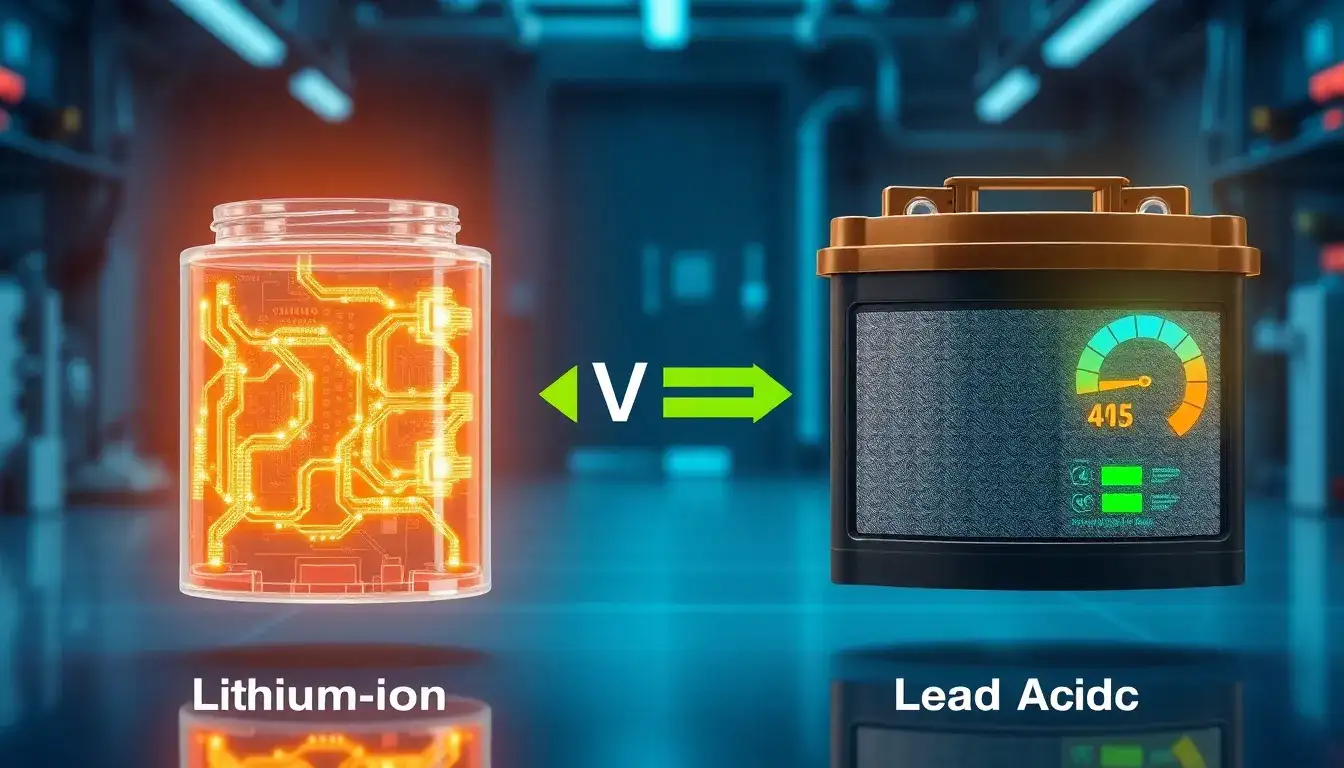
Lithium-ion batteries are generally more energy-efficient than lead-acid batteries. Here’s a comparison of their energy efficiency and other relevant factors:
Key Differences in Energy Efficiency
- Efficiency: Lithium-ion batteries typically have an efficiency of around 95%, meaning they can store and deliver about 95% of the energy input into them. In contrast, lead-acid batteries have an efficiency range of 80-85%.
- Charging Speed: Lithium-ion batteries charge faster, often reaching full charge in 1 to 4 hours. Lead-acid batteries typically require longer charging times, often needing 6-12 hours to reach full capacity.
Additional Factors Affecting Energy Efficiency
- Depth of Discharge (DoD): Lithium-ion batteries can safely use 80-90% of their capacity without significantly affecting their lifespan. However, lead-acid batteries should not be discharged beyond 50% to ensure optimal performance and longevity.
- Energy Density: Lithium-ion batteries have a higher energy density, allowing them to store more energy in less space compared to lead-acid batteries.
Overall Impact on Energy Storage
Lithium-ion batteries offer superior performance and efficiency, making them ideal for applications requiring high energy density and frequent discharge cycles. However, lead-acid batteries remain a cost-effective option for certain scenarios, such as infrequent use or budget-sensitive projects.
In summary, lithium-ion batteries excel in energy efficiency and overall performance, while lead-acid batteries are more economical upfront but have a shorter lifespan and lower efficiency.
Original article by NenPower, If reposted, please credit the source: https://nenpower.com/blog/how-do-lithium-ion-batteries-compare-to-lead-acid-batteries-in-terms-of-energy-efficiency/

