

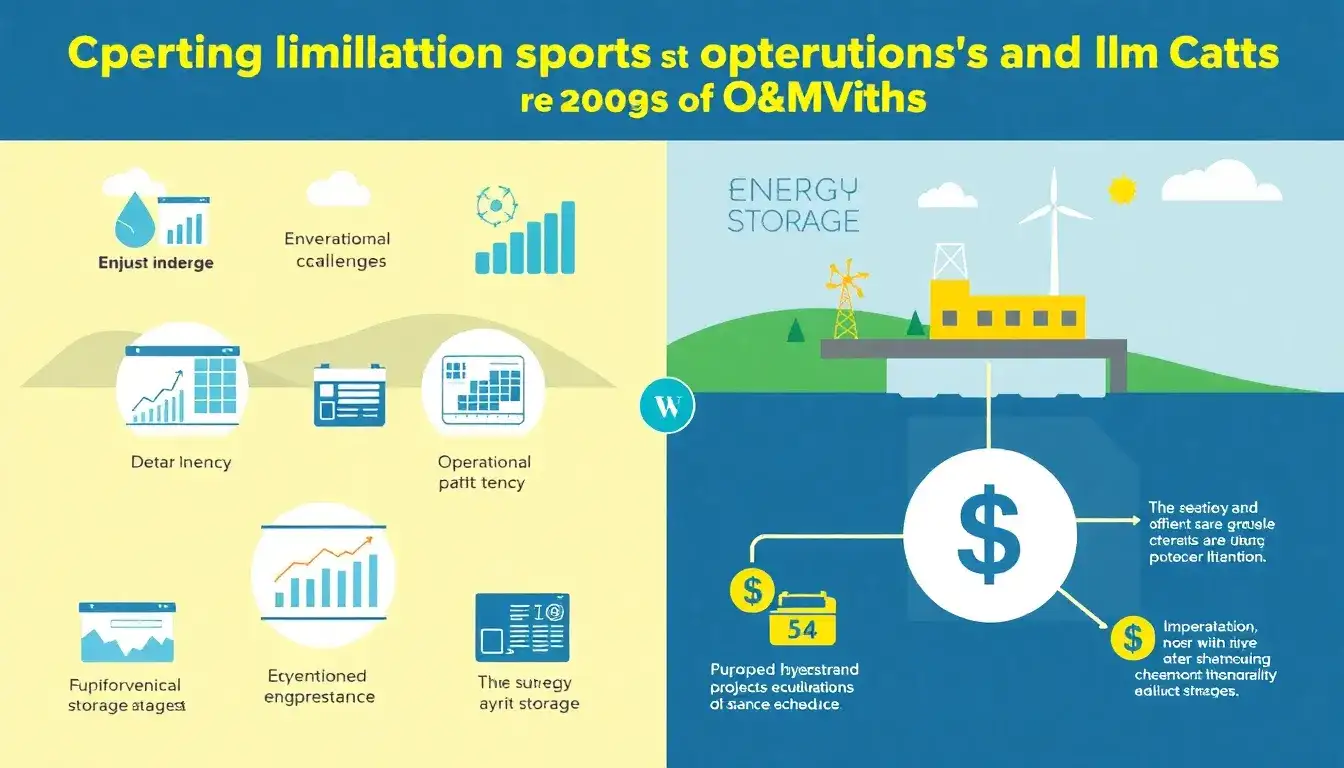
Lenders evaluating the operating limitations and Operations and Maintenance (O&M) costs of energy storage projects follow a structured process to assess risks and determine financial viability. Here are the key factors involved in their evaluation:
Operating Limitations
- Technical Review: Lenders conduct a thorough review of the project’s technical specifications to understand how the energy storage system operates. This includes examining the project’s design, technology, and operational constraints.
- Independent Engineer’s Report: An independent engineer’s report is often required to assess the project’s ability to meet performance requirements and commissioning tests. This report helps lenders evaluate the project’s technological risks and operational capacity.
- Market Rules: Since energy storage projects are subject to evolving market rules, lenders scrutinize these rules to ensure compliance and assess their impact on project operations.
Operations and Maintenance (O&M) Costs
- O&M Agreements: Lenders look for O&M agreements with experienced operators to ensure the project is operated within its defined limitations. These agreements help ensure that O&M costs are controlled and managed effectively.
- Reserves for Future Costs: Lenders require project companies to set aside reserves for future maintenance costs, such as battery replacement or system augmentation. This ensures that funds are available to address potential degradation or maintenance needs over the project’s lifespan.
- Performance Guarantees and Warranties: Project companies may secure performance guarantees and equipment warranties to mitigate risks associated with technology degradation and operational failures. These instruments provide lenders with additional assurance that critical maintenance costs will be covered.
Revenue Streams and Financial Structure
- Revenue Streams: Energy storage projects can generate revenue from various streams, such as capacity payments, wholesale markets, balancing mechanisms, and ancillary services. Lenders evaluate these streams to assess revenue predictability and associated risks.
- Financial Structure: The financing structure typically involves debt and equity. Lenders prefer structures that allocate risks effectively, such as fixed-price turnkey EPC contracts, which transfer some risk to the contractor. Project finance models also consider factors like tax incentives and portfolio financing to mitigate single-project risks.
In summary, lenders evaluate energy storage projects by closely examining technical specifications, operational limitations, O&M costs, and financial structures to assess risks and ensure project viability.
Original article by NenPower, If reposted, please credit the source: https://nenpower.com/blog/how-do-lenders-evaluate-the-operating-limitations-and-om-costs-of-energy-storage-projects/

