

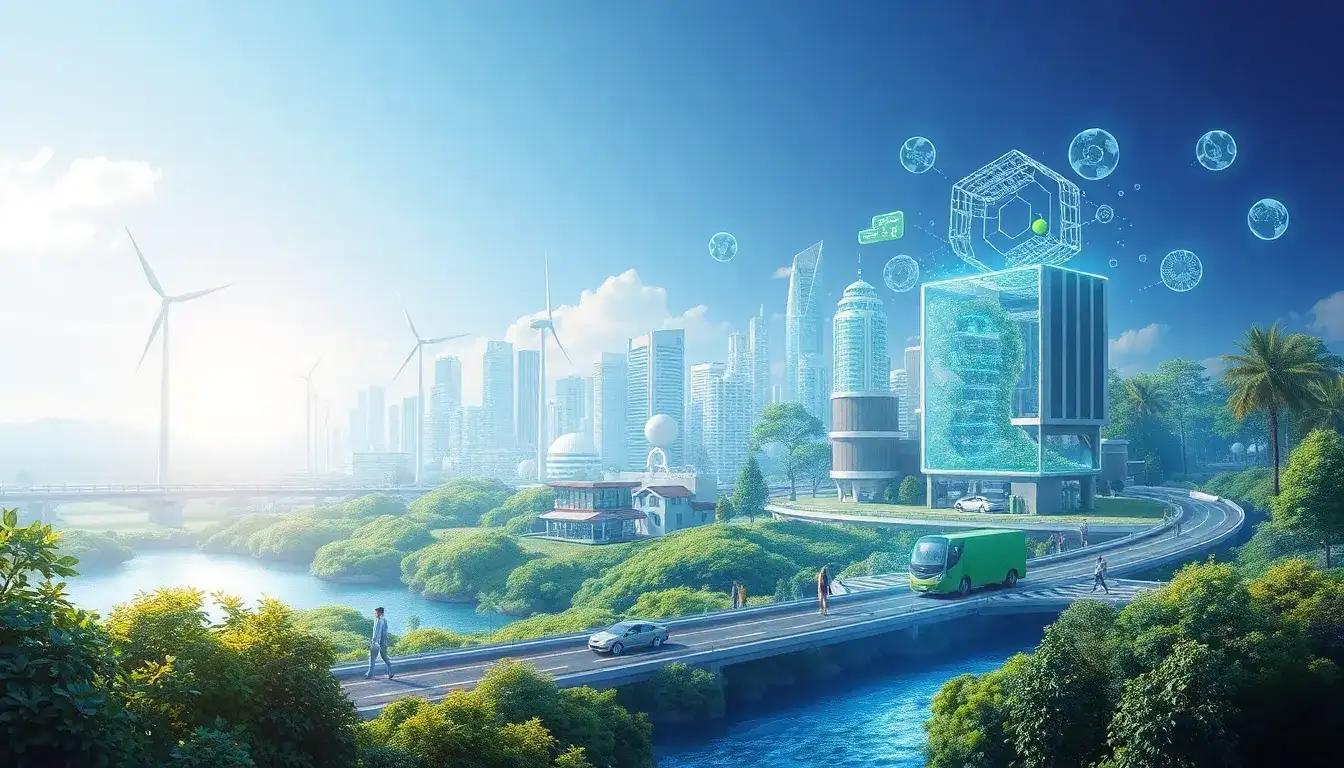
Environmental Sustainability
- Eco-friendly Materials: Iron-air batteries use abundant, non-toxic, and environmentally friendly materials like iron and air. This reduces the environmental footprint associated with battery production and disposal, unlike lithium-ion batteries which require mining of scarce and sometimes geopolitically sensitive materials like lithium and cobalt.
- Low Waste and Toxicity: The materials used are non-flammable and non-toxic, minimizing risks during handling, storage, and disposal.
Renewable Energy Integration
- Long-duration Storage: Iron-air batteries can store energy for multiple days, making them ideal for balancing the intermittent supply of renewable energy sources such as wind and solar.
- Grid Stability: By storing excess energy generated by renewables during periods of high production, iron-air batteries can provide a reliable supply during low generation periods, enhancing grid stability.
Cost-Effectiveness
- Affordable Materials: The use of inexpensive materials like iron and air reduces production costs compared to traditional battery technologies.
- Economic Benefits: Long-term, cost-effective energy storage solutions like iron-air batteries can lead to significant savings for consumers by providing a reliable and stable power supply.
Scalability and Safety
- Scalability: Iron-air batteries are scalable for large-scale grid storage applications, making them suitable for widespread adoption in the energy sector.
- Safety Features: They operate with significantly reduced safety risks since they do not use flammable electrolytes, minimizing the chance of thermal runaway.
In summary, iron-air batteries offer a sustainable, cost-effective, and safe solution for integrating renewable energy sources into the grid, helping to build a more resilient and environmentally friendly energy future.
Original article by NenPower, If reposted, please credit the source: https://nenpower.com/blog/how-do-iron-air-batteries-contribute-to-a-more-sustainable-energy-future/

