

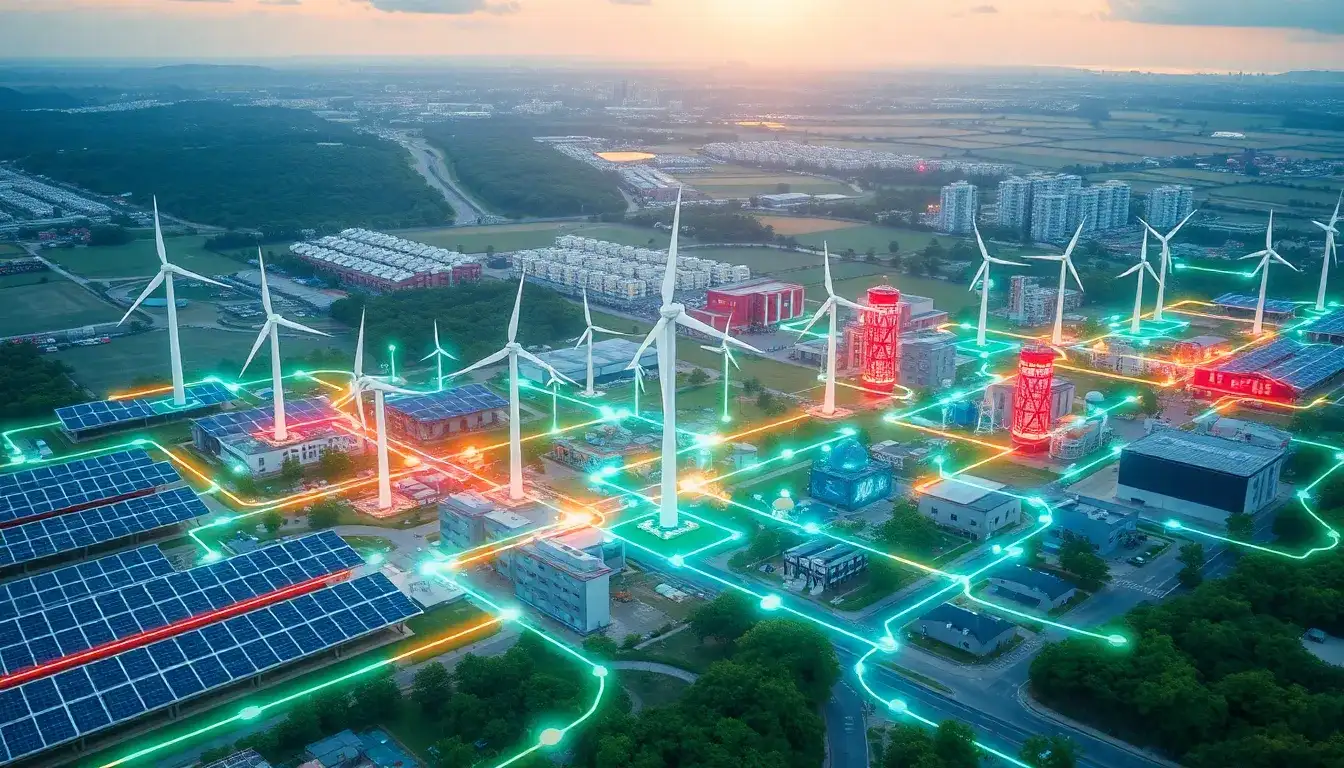
Interconnection queues play a significant role in shaping the development timeline and feasibility of hybrid renewable energy projects, which combine multiple renewable technologies (like solar, wind, and storage) to optimize energy production.
Effects of Interconnection Queues on Hybrid Renewable Energy Development
1. Lengthy Delays in Project Deployment
Hybrid renewable projects must enter interconnection queues to gain permission and technical feasibility to connect to the grid. Currently, these queues are extremely long due to the rapid surge in renewable project proposals. For example, in 2023, the average renewable project spent about five years in the queue before starting commercial operations—up from less than two years in 2008. This delay extends development timelines and increases project costs, impacting the financial viability and timely execution of hybrid projects.
2. Queue Overcrowding and Competition
Interconnection queues are currently saturated, often holding capacity requests that exceed actual grid capacity by large margins. The U.S. queue alone has more than twice the installed capacity proposed for new projects, with over 2.6 terawatts (TW) of capacity waiting, mostly from solar, wind, and battery storage projects that make up about 95% of this backlog. Hybrid projects, which typically incorporate these technologies, face tough competition for grid access, making it harder to secure an interconnection agreement.
3. Complexity of Study Processes for Hybrids
Hybrid projects must undergo several rigorous grid studies—including Feasibility, System Impact, and Facilities Studies—to ensure their integration does not compromise grid reliability or safety. Because hybrids combine multiple energy sources, these studies can be more complex and time-consuming, potentially lengthening queue times and adding uncertainty to project approvals.
4. Low Completion Rates Due to Queue Challenges
Historically, only a small fraction of queued projects successfully complete construction and begin operation. From 2000 to 2018, just 14% of overall queued capacity was built, with renewables like solar (13%), wind (20%), and batteries (11%) showing particularly low completion rates compared to gas (31%). This indicates that many hybrid projects may be canceled or significantly delayed while in the queue due to technical, financial, or regulatory hurdles.
5. Regional Variations Impact Development
Certain regions have especially large queues—for instance, the Western U.S. (excluding California) has a queue of 706 GW, and California’s ISO has 523 GW queued. Hybrid projects in these areas face greater interconnection challenges and longer waits, complicating development plans.
Summary
Interconnection queues substantially affect hybrid renewable energy development by causing extended delays, creating intense competition for grid access, requiring complex and costly technical studies, and resulting in a low rate of project completions. These factors collectively slow the growth and increase the risk profile of hybrid projects, which depend on timely and reliable grid interconnection to be economically viable and operationally beneficial.
This situation highlights the critical need for grid modernization and streamlined interconnection processes to better accommodate the increasing volume of hybrid and other renewable projects seeking to decarbonize the power sector.
Original article by NenPower, If reposted, please credit the source: https://nenpower.com/blog/how-do-interconnection-queues-affect-the-development-of-hybrid-renewable-energy-projects/

