

Insurance Premiums for Hybrid and Electric Vehicles
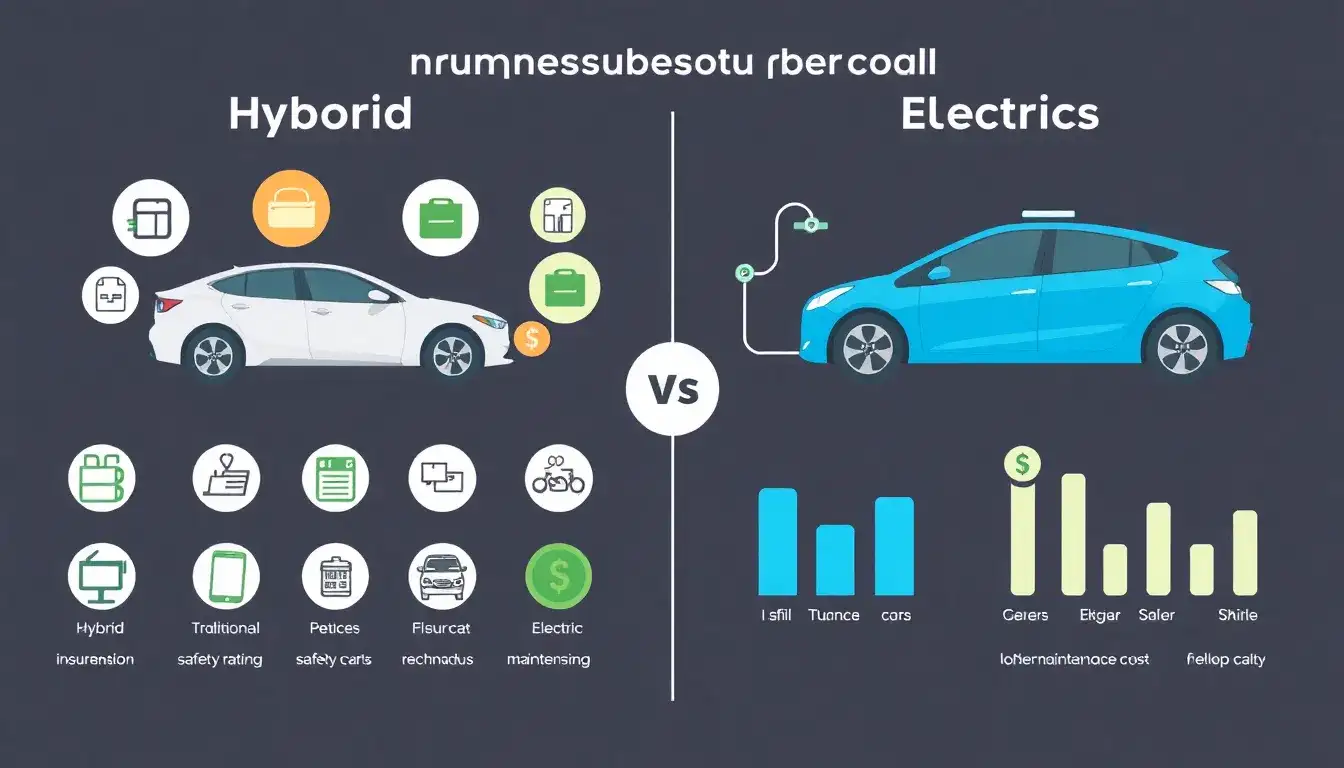
Insurance premiums for hybrid vehicles and electric vehicles (EVs) differ due to several factors. Here’s a comparison of their insurance costs:
Key Differences
- Hybrid Vehicles: Generally, hybrid vehicles are less expensive to insure than EVs. This is because hybrids incorporate fewer specialized components, such as smaller batteries, and they rely on a traditional internal combustion engine (ICE) for part of their power. This reduces repair costs and insurance risks, making hybrids more affordable to insure compared to EVs.
- Electric Vehicles: EVs typically have higher insurance premiums than both hybrids and ICE vehicles. The main reasons for this are the high cost of specialized parts, particularly the battery, and the elevated repair expenses associated with EVs. Luxury EV models, like Tesla’s Model Y and Model 3, are among the most expensive to insure.
Overall Cost Comparison
- Hybrids vs. EVs: Hybrid vehicles are generally more affordable to insure than electric vehicles due to their simpler technology and lower repair costs.
- Hybrids vs. ICE Vehicles: While hybrids might be more expensive to insure than ICE vehicles, the difference is usually not as significant as that between hybrids and EVs.
- EVs vs. ICE Vehicles: EVs are the most expensive of the three to insure, with premiums often being 20% higher on average compared to ICE vehicles.
To optimize insurance costs, owners of both hybrid and electric vehicles should consider pricing options from multiple insurers and exploring additional coverage options like zero depreciation cover.
Original article by NenPower, If reposted, please credit the source: https://nenpower.com/blog/how-do-insurance-premiums-compare-between-hybrids-and-electric-vehicles/

