

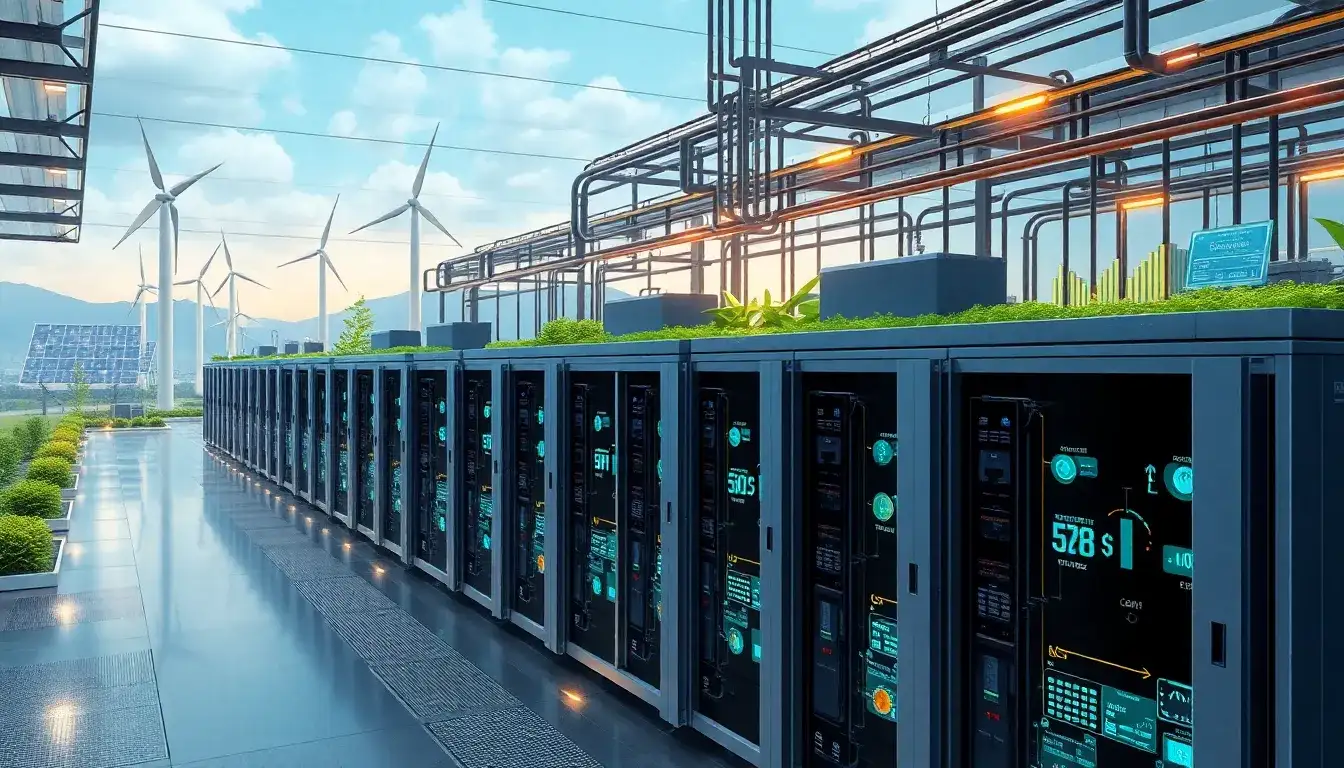
Installation complexities significantly impact the overall cost of utility-scale Battery Energy Storage Systems (BESS). These complexities arise from several factors, including the system size, location, and specific requirements. Here are some ways installation complexities influence costs:
Factors Influencing Installation Complexities and Costs
- System Size and Location: Larger installations, especially in remote or difficult-to-access locations, increase complexity due to challenges in logistics and site preparation. This can lead to higher costs for equipment transportation and labor.
- Specialized Labor and Equipment: Utility-scale installations require trained personnel and specialized equipment, which can drive up costs. The need for experienced workers to handle complex systems and ensure safety adds to the expense.
- Balance of System (BOS) Components: Beyond the cost of batteries themselves, BOS components like power conversion systems, cooling systems, and electrical infrastructure contribute significantly to overall costs. These components are often more complex in larger systems, adding to the costs.
- Grid Integration and Power Electronics: Integrating BESS into the grid involves connecting to existing power infrastructure, which requires additional investments in power electronics and grid connection equipment. These costs are significant and vary with the system’s power rating.
- Installation Process and Timeline: The installation process for utility-scale systems is more complex and time-consuming compared to smaller setups. Delays can increase costs due to prolonged construction periods and extended use of specialized equipment.
Cost Breakdown and Implications
- Capital Expenditures (CAPEX): Installation costs can account for a substantial portion of CAPEX, with estimates suggesting they can be between 10% and 20% of the total expense. For larger systems, this translates into millions of dollars, as seen in the case of a 50MW system where installation alone might cost between $2.5 million and $5 million.
- Operating and Maintenance (O&M) Costs: While not directly related to installation complexity, O&M costs are influenced by system size and design. Larger systems require more resources for maintenance and replacement of components over their lifecycle.
Conclusion
In summary, the complexity of installing utility-scale BESS significantly affects the overall costs by increasing CAPEX due to specialized requirements, logistics, and integration challenges. As technology advances and economies of scale improve, these costs are expected to decrease, making utility-scale energy storage more viable economically. However, the current state requires careful evaluation and planning to manage these complexities and associated expenses effectively.
Original article by NenPower, If reposted, please credit the source: https://nenpower.com/blog/how-do-installation-complexities-impact-the-overall-cost-of-utility-scale-bess/

