

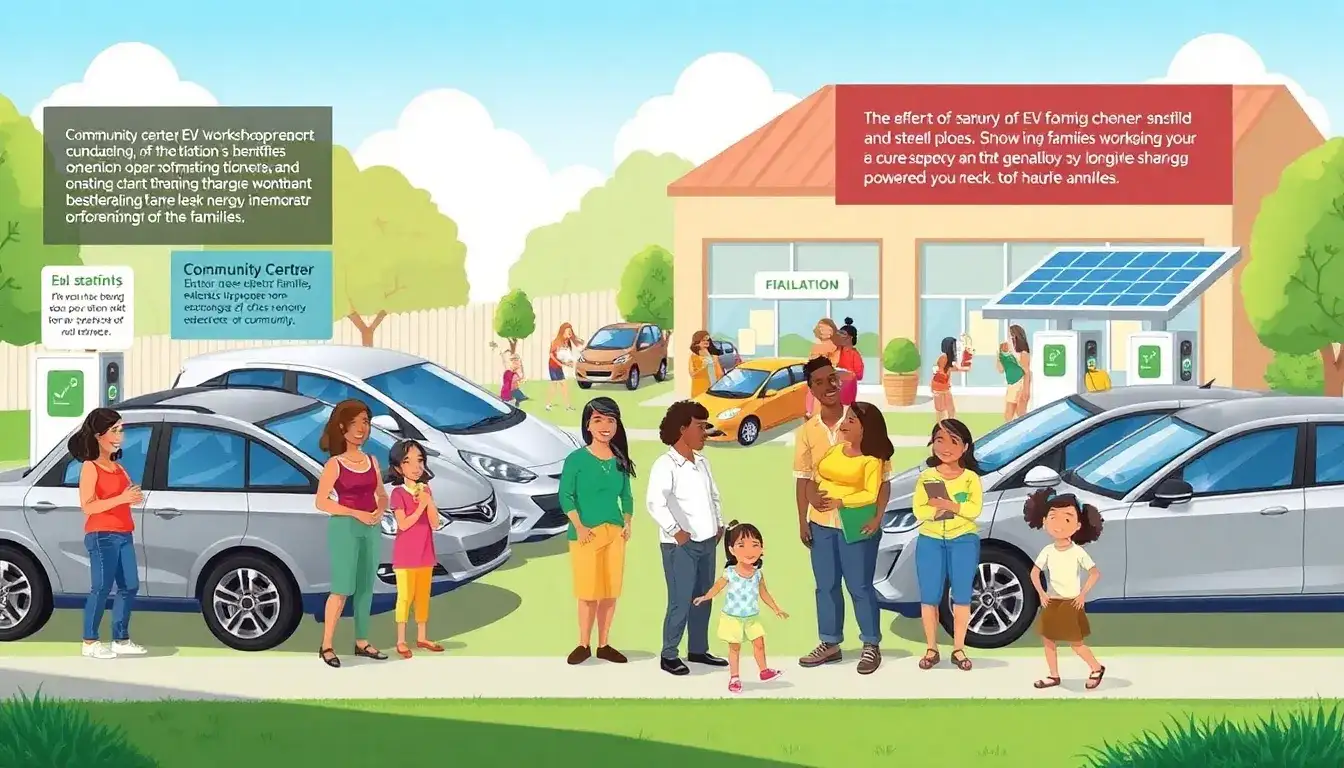
Incentives for low-income households play a significant role in promoting electric vehicle (EV) adoption by addressing the primary barriers to entry: affordability and access to charging infrastructure.
Role of Incentives
- Financial Incentives: Programs like rebates, tax credits, and grants help lower the upfront cost of EVs, making them more accessible to low-income households. For example, California offers rebates of up to $7,500 for lower-income households purchasing new electric vehicles.
- Targeted Support: Incentives are often tailored to meet the specific needs of low-income communities. This targeted approach ensures that the benefits of EVs, including long-term cost savings, are available to those who need them most.
Impact on Adoption
- Increased Accessibility: Financial incentives reduce the financial burden, allowing more low-income households to consider purchasing or leasing EVs.
- Charging Infrastructure: Governments also focus on developing charging infrastructure in underserved areas, which is essential for widespread EV adoption.
Examples of Incentives
- California EV Rebates: Offers varying amounts based on income level, with higher rebates for lower-income households.
- Pre-Owned EV Rebates: Some programs, like those from utilities, offer rebates for pre-owned EVs, making EV ownership more feasible for low-income families.
In summary, incentives for low-income households enhance EV adoption by making electric vehicles more affordable and accessible, thereby helping to overcome economic barriers and promote sustainable transportation options in these communities.
Original article by NenPower, If reposted, please credit the source: https://nenpower.com/blog/how-do-incentives-for-low-income-households-affect-ev-adoption/

