

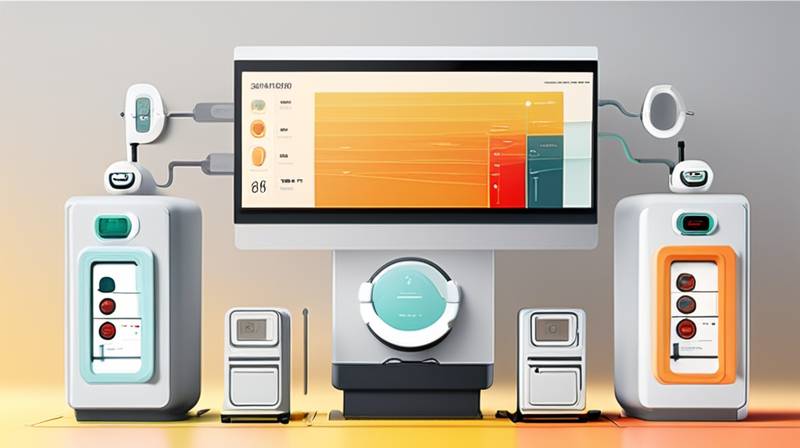
To track the amount of energy being stored in a Powerwall, users can utilize various methods such as 1. Monitoring through the Tesla App, 2. Analyzing the Inverter Data, 3. Utilizing Home Energy Management Systems, 4. Regular Physical Checks. Among these, the Tesla App provides real-time updates and detailed analytics on energy storage levels, consumption patterns, and system performance. This user-friendly interface enables homeowners to visualize their energy usage over time, providing insights into their solar production and battery charging cycles for optimal energy management.
MONITORING THROUGH THE TESLA APP
The Tesla App stands as the primary interface for homeowners to monitor their Powerwall systems effectively. This application offers an intuitive user experience, allowing individuals to check the battery’s state of charge (SoC), energy storage levels, and the efficiency of solar production in real-time. The app not only displays current energy metrics but also presents a historical overview of energy consumption and generation. This is instrumental for users aiming to analyze their electricity usage patterns over time.
Furthermore, the app features alert notifications that inform users of significant events, such as low battery levels or issues with solar production. Such proactive communication fosters an informed approach to energy management. Users can also set preferences for when to utilize their stored energy, enhancing their ability to minimize electricity costs and improve their reliance on renewable energy sources.
Homeowners can utilize the app to forecast energy needs based on weather patterns and typical consumption habits. For instance, on a sunny day, users may opt to store excess energy produced by their solar panels during peak sunlight hours. The app can help determine the best times to use stored energy, thus optimizing the balance between consumption from the grid and usage from the battery.
ANALYZING THE INVERTER DATA
Aside from the Tesla App, another effective technique to monitor energy storage in the Powerwall involves analyzing inverter data. The inverter serves as the central hub for energy transformation within the solar power system, converting direct current (DC) from the solar panels into alternating current (AC) used in homes. Understanding the inverter’s performance metrics is crucial because it directly impacts how much energy is efficiently stored and utilized.
Inverters typically provide data on energy input and output, including the total energy produced by solar panels and the energy consumed by household appliances. By regularly reviewing this data, users can gain insights into their system’s performance, identifying potential inefficiencies or areas for enhancement. Users can access inverter data through its display panel or by connecting to relevant software.
Analyzing inverter performance encompasses several key performance indicators (KPIs), such as efficiency rate, energy yield, and downtime. Monitoring these KPIs allows users to ensure that their Powerwall and solar systems function optimally, maximizing energy storage capabilities. When inconsistencies arise, homeowners can address them promptly by conducting maintenance or consulting with professional technicians to ensure the system operates at peak performance.
UTILIZING HOME ENERGY MANAGEMENT SYSTEMS
Another advanced method for tracking energy storage in a Powerwall is through home energy management systems (HEMS). These systems provide an integrated approach to monitoring energy usage across the household. By connecting various smart devices, appliances, and energy sources, homeowners can obtain a comprehensive view of their energy landscape, creating a holistic energy management strategy.
HEMS can collect significant data over time, allowing users to evaluate their energy habits. With sophisticated algorithms, these systems can analyze past consumption patterns and develop predictive models to enhance future energy management strategies. For instance, these systems can indicate the best times to consume energy, reduce load during peak demand periods, or suggest operational adjustments for appliances to improve efficiency.
The integration of HEMS with devices like the Powerwall provides both synoptic and granular data on energy storage levels. Users can set preferences for energy allocation and automate energy storage decisions based on real-time conditions and forecasts. Such integration ensures that users optimize stored energy while minimizing grid dependency, thus contributing to cost savings and sustainability.
REGULAR PHYSICAL CHECKS
While digital tools are invaluable for tracking energy storage in the Powerwall, regular physical checks should not be overlooked. Periodic inspections of the Powerwall unit can ensure that it is functioning correctly and efficiently. Visual inspections can reveal any apparent issues, such as leaks, physical damage, or irregularities in connections that may impact energy storage capabilities.
Regular checks can also encompass maintenance tasks such as cleaning the unit and ensuring that it is well-ventilated. Dust accumulation can hinder performance, so keeping the unit clean is essential. Moreover, assessing the surrounding environment can determine its suitability; for instance, ensuring that it is in an area free from obstruction allows optimal airflow and cooling.
By establishing a schedule for physical inspections, homeowners can proactively determine whether the Powerwall is storing energy efficiently. Such diligence can prevent larger issues from developing, ultimately prolonging the battery life and maintaining its energy storage capabilities. Engaging with professionals for comprehensive inspections annually can ensure that all system components remain in top working order.
MONITORING ENERGY STORAGE WITH SUSTAINABILITY IN MIND
Tracking energy storage is often tied to sustainability goals as renewable energy continues to gain traction globally. Understanding how much energy is being stored in a Powerwall not only benefits individual homeowners but also contributes to larger ecological objectives. By utilizing various monitoring methods, residents can align their energy consumption habits with sustainability practices.
The move toward renewable energy is complemented by efficient energy storage solutions like the Powerwall. By maximizing the use of solar-generated energy, users reduce their reliance on traditional fossil fuels, contributing to a decrease in carbon footprints. A well-monitored energy system can highlight opportunities for increased renewable energy usage, thus fostering a transition to a greener lifestyle.
As individuals become more conscious of their energy consumption, the connection between personal practices and the broader environmental impact grows stronger. By utilizing the Tesla App, inverter data, home energy management systems, and consistent physical checks, homeowners can create a sustainable energy ecosystem. This not only benefits them economically but also aligns with the global drive toward environmental sustainability, ultimately making a significant difference in combating climate change and achieving energy independence.
FREQUENTLY ASKED QUESTIONS
HOW DOES THE TESLA APP WORK FOR TRACKING ENERGY STORAGE?
The Tesla App functions as a gateway for monitoring energy storage in Powerwall systems. By syncing with the Powerwall and connected solar panel systems, the app provides real-time data on energy levels. Users can see how much energy is stored, used, and generated over various timescales, helping make informed decisions about energy consumption.
In addition to real-time monitoring, the app showcases historical data, enabling users to analyze trends and optimize energy use. The interface is intuitive, offering visual representations of energy flows, which can assist individuals in understanding their energy habits. Alerts and notifications from the app keep users informed of any changes or concerns regarding battery performance. All these features collectively enable homeowners to manage their energy storage efficiently, paving the way for smarter energy decisions.
WHAT ARE THE BENEFITS OF HOME ENERGY MANAGEMENT SYSTEMS?
Home Energy Management Systems (HEMS) present numerous advantages for monitoring energy storage and usage. One key benefit lies in the integration of various energy sources, enabling homeowners to view a comprehensive picture of their energy landscape. This amalgamation aids in optimizing energy allocation by demonstrating usage patterns and helping to plan for future energy needs more accurately.
Moreover, HEMS often employ predictive analytics algorithms, which facilitate proactive responses to energy demands. For instance, they can suggest the best times to utilize stored energy or automate energy consumption based on real-time pricing rates from the grid. By offering such functionality, HEMS enhance the overall efficiency of a home’s energy usage. They also contribute to potential savings by reducing reliance on grid electricity, especially during peak demand hours when rates are highest.
HOW OFTEN SHOULD I CHECK MY POWERWALL PERFORMANCE?
The frequency of checking Powerwall performance may vary based on individual preferences and system usage. However, a recommended practice is to conduct a monthly review of performance metrics through the Tesla App or inverter data. This allows users to observe any variations in energy storage levels and efficiency. Conducting physical inspections should be scheduled bi-annually or annually to ensure the unit remains in optimal condition.
Regular monitoring helps identify potential issues early, facilitating timely maintenance or adjustments to enhance performance. Additionally, fluctuations in energy needs throughout seasonal changes may necessitate closer inspection during certain periods, such as summer or winter when energy demands rise. By taking a proactive approach to monitoring, homeowners can maintain their Powerwall efficiency while maximizing energy savings.
Assessing energy storage within the Tesla Powerwall system is a multifaceted process that integrates technology, analysis, and regular maintenance. Through diverse approaches such as utilizing the Tesla App, examining inverter data, employing home energy management systems, and conducting physical inspections, users can effectively monitor their energy storage while contributing to sustainability. By understanding these dynamics, individuals not only enhance their own energy strategies but also align their practices with the broader objective of responsible energy consumption. It is essential for homeowners interested in optimizing their Powerwall systems to embrace these methods comprehensively for ultimate effectiveness. Ultimately, establishing a well-rounded approach to energy monitoring empowers homeowners to make informed decisions about their energy usage, leading to financial savings and a reduced environmental footprint.
Original article by NenPower, If reposted, please credit the source: https://nenpower.com/blog/how-do-i-track-how-much-energy-is-being-stored-in-powerwall/

