

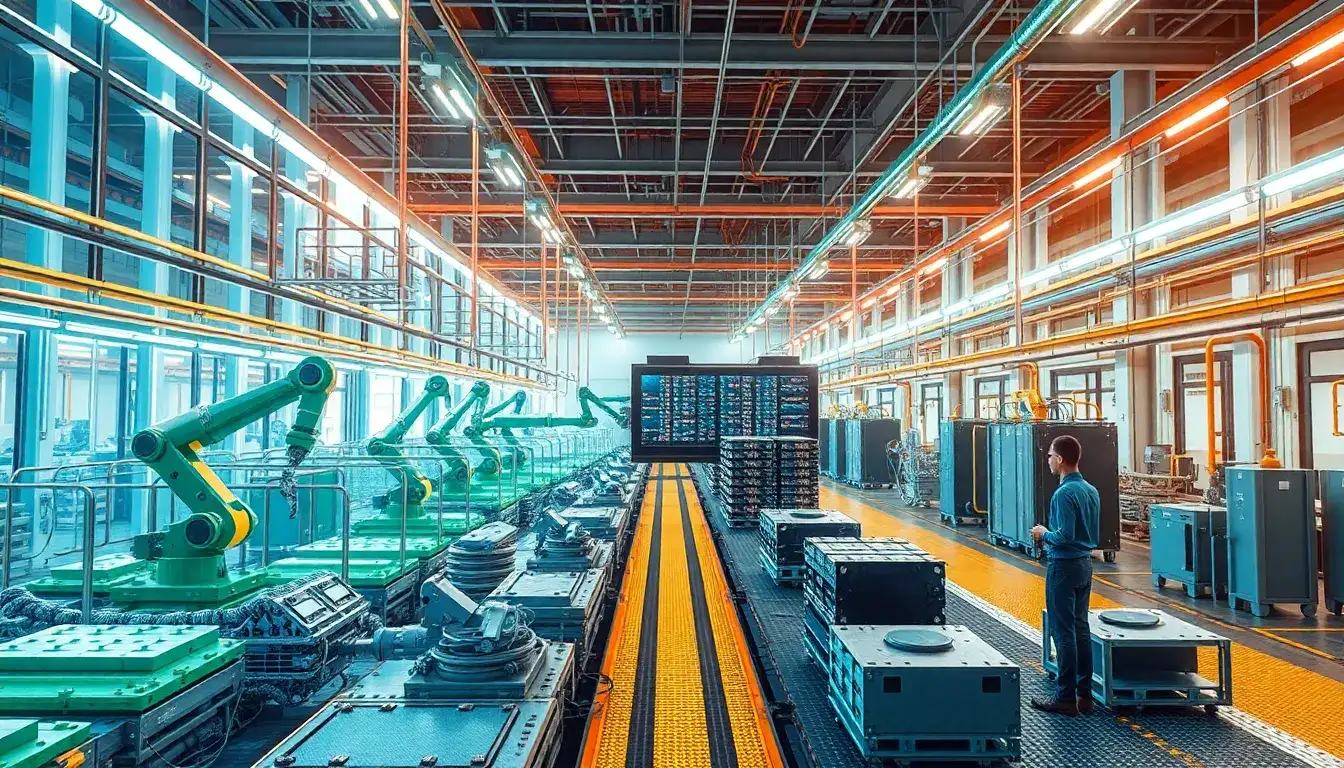
High scrappage rates in the production of flow batteries, like those seen in early stages of other battery types, can significantly impact their scalability in several ways:
Impact on Scalability
- Economic Burden:
- Cost of Waste Management: High scrappage rates result in significant amounts of hazardous waste, which is costly to manage and dispose of. This expense can stall production and increase operational costs, making it difficult for companies to scale up efficiently.
- Profitability Delay: The financial impact of scrappage can delay profitability, as companies may take several years to recover their investments due to the high initial waste rates.
- Complexity in Manufacturing:
- Production Delays: High scrappage rates often indicate manufacturing inefficiencies or difficulties in achieving consistent quality. This can lead to production delays and difficulties in ramping up to meet demand, making it hard to scale production smoothly.
- Quality Control Challenges: Ensuring consistent quality while scaling up production is crucial, and high scrappage rates suggest challenges in maintaining quality, which can affect scalability.
- Environmental Impact:
- Hazardous Waste Management: The hazardous nature of battery scraps requires specialized recycling processes. While advancements in recycling, such as those for vanadium redox flow batteries, show promise (e.g., a 97% recovery rate for electrolyte), managing waste efficiently at scale remains a challenge.
- Recycling Infrastructure: As production scales, so too does the need for robust recycling infrastructure to handle the volume of scrap materials sustainably. This can be a limiting factor if recycling capabilities do not keep pace with production increases.
- Market Perception and Adoption:
- Consumer and Investor Confidence: High scrappage rates might raise concerns about the sustainability and efficiency of flow battery technology. This could affect market adoption and investor confidence, impacting the ability to scale the business.
Overcoming Challenges
To improve scalability, companies must focus on:
- Improving Manufacturing Efficiency: Reducing scrappage rates through better quality control, automation, and design improvements.
- Advancing Recycling Technologies: Developing efficient recycling processes for hazardous materials to reduce waste and improve sustainability.
- Investing in Research and Development: Continuous innovation in flow battery technology and production processes is essential to address scalability challenges effectively.
Original article by NenPower, If reposted, please credit the source: https://nenpower.com/blog/how-do-high-scrappage-rates-impact-the-scalability-of-flow-batteries/

