

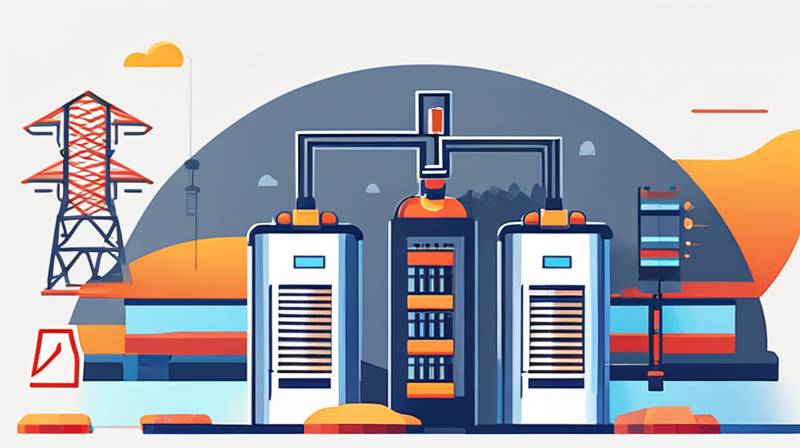
The factories in Guangdong employ a variety of strategies to implement energy storage projects, with emphasis on the following key aspects: 1. Investment in advanced technologies, 2. Collaboration with research institutions, 3. Adoption of government policies, 4. Focus on sustainable practices. Among these, investment in advanced technologies is pivotal, as it enables factories to optimize energy use and integrate renewable energy sources effectively.
1. INTRODUCTION TO ENERGY STORAGE IN GUANGDONG
The region of Guangdong, being one of the most industrialized provinces in China, has taken significant strides towards enhancing energy storage capabilities. With the rapid pace of urbanization and an increasing reliance on energy, the need for efficient energy management systems has become evident. Energy storage projects in Guangdong serve as a catalyst for addressing energy efficiency, peak demand management, and reliance on renewable energy sources.
Energy storage systems act as buffers, allowing factories to store excess energy generated during low demand periods for use during peak times. This not only helps in optimizing energy consumption but also facilitates a gradual transition towards greener energy solutions. Guangdong’s factories are exploring various energy storage technologies, including lithium-ion batteries, pumped hydro storage, and emerging alternatives like flow batteries. Each of these technologies offers unique advantages, making them suitable for specific industrial applications.
2. INVESTMENT IN ADVANCED TECHNOLOGIES
The factories in Guangdong recognize that investment in advanced technologies is crucial for the successful execution of energy storage projects. By leveraging innovations, they are able to enhance their operational efficiencies, reduce reliance on conventional energy sources, and diminish their carbon footprints.
For instance, lithium-ion battery technology has emerged as a favored choice due to its high energy density and efficiency. Many factories have started integrating these batteries into their operations, allowing them to store solar or wind-generated energy. This stored energy can subsequently be utilized during peak production hours, allowing for smoother operations and reducing reliance on fossil fuels.
Moreover, factories are also investing in smart energy management systems that utilize Internet of Things (IoT) technology for monitoring and optimizing energy usage. These systems provide real-time data analysis, allowing facility managers to make informed decisions regarding energy utilization. Consequently, the amalgamation of advanced energy storage technologies with smart management solutions leads to unprecedented potential for cost savings and sustainability in Guangdong’s factories.
3. COLLABORATION WITH RESEARCH INSTITUTIONS
Collaboration between industries and research institutions plays a significant role in the development of energy storage projects. Factories in Guangdong have begun to partner with universities, research organizations, and innovation centers to explore new technologies and optimize existing energy storage solutions.
Such partnerships often yield beneficial outcomes, including access to cutting-edge research, shared resources, and valuable expertise. Joint research projects allow for the development of specialized energy storage technologies tailored to the unique demands of Guangdong’s industrial sector. Furthermore, the collaborative efforts help in knowledge transfer, where factories can learn from academic research and utilize that knowledge to drive technological advancements within their facilities.
Through these collaborative efforts, the factories are also able to contribute to research initiatives focusing on sustainable energy storage systems. This synergy not only accelerates technological advancements but also enhances the region’s reputation as a leading hub for innovation in energy management.
4. ADOPTION OF GOVERNMENT POLICIES
The local and national government policies in China have been pivotal in facilitating energy storage projects within Guangdong factories. The Chinese government has put forth several initiatives aimed at promoting renewable energy generation and usage, creating an enabling environment for energy storage solutions.
For instance, various financial incentives and subsidies have been established to encourage industrial entities to invest in energy storage technologies. These provisions help mitigate the financial risks associated with large-scale investments and make the transition to energy storage economically viable. Additionally, the establishment of supportive regulatory frameworks aids companies in navigating the complex landscape of energy storage implementation.
In conjunction with these policies, government-led programs aimed at fostering innovation and collaboration are also helping to drive energy storage projects forward. By providing funding for research and development initiatives, the government plays a crucial role in paving the way for advancements in energy storage technologies that can be integrated into Guangdong’s factories.
5. FOCUS ON SUSTAINABLE PRACTICES
Sustainability has become a core principle guiding energy storage projects across Guangdong’s industrial landscape. Factories are not merely focusing on short-term economic gains; they are increasingly adopting practices aimed at achieving long-term environmental benefits. The shift towards sustainable practices is driven by several factors, including consumer demand for greener products, corporate social responsibility expectations, and government mandates promoting environmental stewardship.
The factories are increasingly exploring the integration of renewable energy sources, such as solar and wind, with energy storage systems. By harnessing these sustainable energy sources, factories can significantly reduce their dependency on non-renewable fossil fuels. Moreover, energy storage systems facilitate the efficient utilization of renewable resources, making production processes more sustainable and less susceptible to fluctuations in energy prices.
Furthermore, the emphasis on circular economy principles is gaining traction within the energy storage sectors. Factories are now seeking ways to recycle and repurpose old batteries, thus minimizing waste and promoting sustainability in their operations. The implementation of such sustainable practices demonstrates a commitment not only to operational efficiency but also to the environmental welfare of the region.
FAQs
WHAT TYPES OF ENERGY STORAGE TECHNOLOGIES ARE COMMONLY USED IN GUANGDONG FACTORIES?
Factories in Guangdong make use of several types of energy storage technologies. Lithium-ion batteries are prevalent due to their high energy density and efficiency. These are often employed in both grid-scale and distributed energy storage applications. Another commonly used method is pumped hydro storage, which leverages elevation differences to store potential energy. Additionally, there is a growing interest in flow batteries for longer-duration energy storage needs. Each of these technologies offers unique advantages that cater to the specific energy requirements of factories, ensuring optimal performance and sustainability.
HOW DO GOVERNMENT POLICIES AFFECT ENERGY STORAGE PROJECTS IN GUANGDONG?
Government policies play a crucial role in shaping the energy storage landscape in Guangdong. Financial incentives, such as grants and subsidies, are designed to encourage factories to adopt energy storage solutions. These incentives diminish the financial burden associated with the transition to greener technologies. Furthermore, regulatory frameworks established by the government support the integration of renewable energy and energy storage systems. By creating a conducive ecosystem for innovation and investment, government policies significantly facilitate the development and implementation of energy storage projects across the province.
WHAT ARE THE MAIN BENEFITS OF ENERGY STORAGE PROJECTS FOR GUANGDONG FACTORIES?
Energy storage projects offer numerous advantages for factories in Guangdong. The foremost benefit includes enhanced energy efficiency, which allows factories to balance their energy supply and demand effectively. Furthermore, energy storage systems enable industries to reduce operational costs by allowing them to capitalize on cheaper energy rates during off-peak hours. In addition, energy storage plays a pivotal role in promoting environmental sustainability, as it facilitates the incorporation of renewable energy sources into the factories’ energy portfolios. Ultimately, these projects not only contribute to economic growth but also advance corporate responsibility towards sustainable practices.
Energy storage projects in Guangdong are transforming the industrial landscape by focusing on a multitude of strategies tailored for maximum efficiency and sustainability. The future of energy in this region heavily relies on the amalgamation of technology, innovation, and collaborative efforts among stakeholders. As factories continue to invest in advanced solutions, partnerships with research institutions grow, and supportive government policies are enacted, the potential for achieving energy storage goals becomes increasingly palpable. The transition toward sustainable practices not only addresses immediate operational challenges but also aligns with broader environmental objectives. Ultimately, the success of these energy storage initiatives hinges on the continued commitment and collaboration from all sectors, ensuring that Guangdong remains at the forefront of sustainable industrial development.
Original article by NenPower, If reposted, please credit the source: https://nenpower.com/blog/how-do-guangdong-factories-carry-out-energy-storage-projects/

