

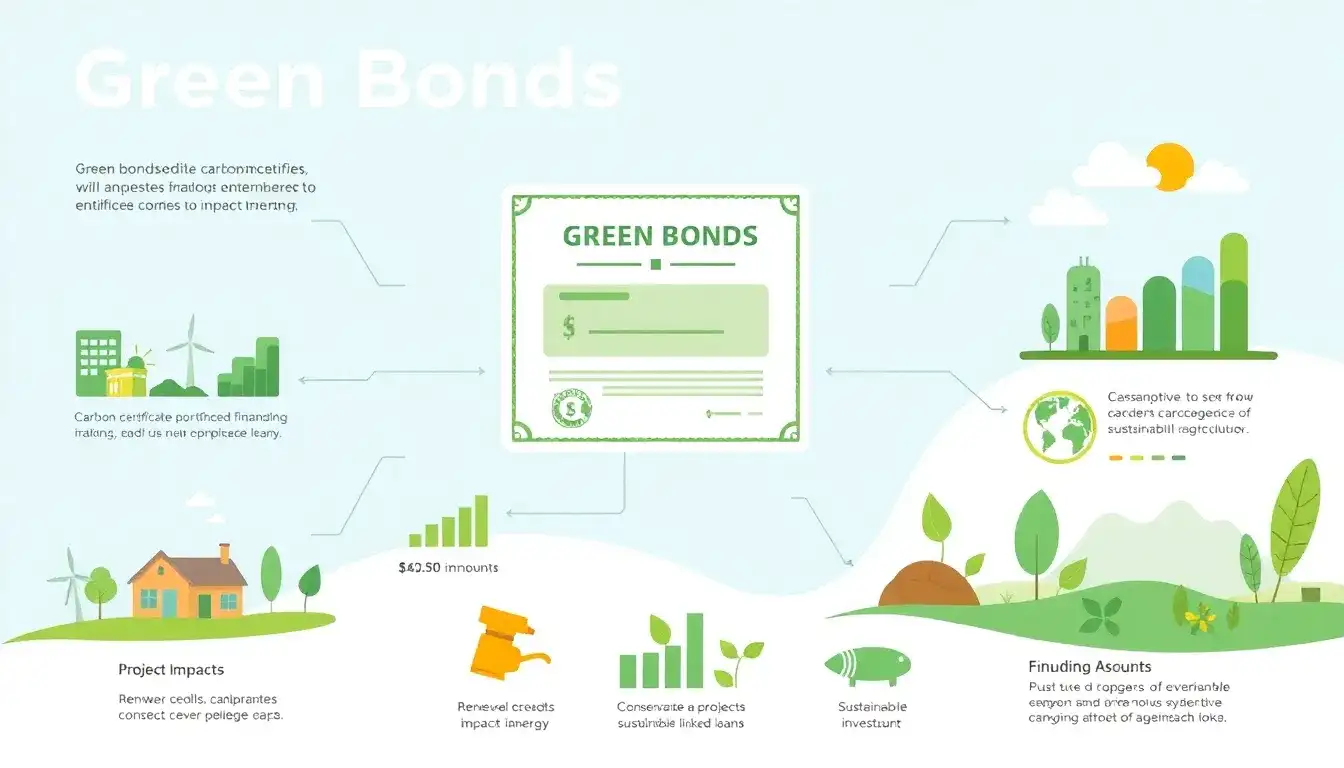
Green bonds are a type of environmental financing tool that has gained popularity due to their focus on supporting sustainable projects. Here’s a comparison of green bonds with other environmental financing tools in terms of effectiveness:
Overview of Green Bonds
Green bonds are similar to traditional bonds but are specifically used to finance projects that have a positive environmental impact, such as renewable energy, green infrastructure, or energy efficiency improvements. They offer a triple benefit: financial returns for investors, environmental benefits through the projects they fund, and enhanced reputation for issuers.
Effectiveness of Green Bonds
- Environmental Impact: Green bonds are effective in reducing CO2 emissions and improving environmental ratings when proceeds are used for intended projects, especially if certified by third parties.
- Financial Performance: Issuers experience significant positive stock market reactions and long-term financial improvements in return on assets and equity.
- Market Growth: The green bond market is rapidly expanding, driven by increasing demand for sustainable investments.
Comparison with Other Environmental Financing Tools
1. Green Loans
- Definition: Green loans are similar to green bonds in that they finance environmental projects, but they often have more flexible terms and do not require public issuance.
- Effectiveness: While green loans offer quick access to capital, green bonds provide a broader investor base and sometimes better pricing due to market demand.
2. Impact Investing
- Definition: Impact investing involves investing with the intention to generate positive social or environmental impact alongside a financial return.
- Effectiveness: Impact investing can be more targeted than green bonds but requires detailed impact assessments and may not scale as easily due to the specificity of projects.
3. Carbon Credits
- Definition: Carbon credits are tradable certificates or permits representing the right to emit a certain amount of greenhouse gas.
- Effectiveness: Carbon credits incentivize emissions reductions but can be volatile and subject to market fluctuations, whereas green bonds provide stable financing for specific projects.
4. Crowdfunding for Environmental Projects
- Definition: Crowdfunding involves collecting small amounts of money from a large number of people to support a project.
- Effectiveness: Crowdfunding can raise awareness and fund small-scale environmental projects but lacks the scale and stability of green bonds for large infrastructure projects.
Conclusion
Green bonds stand out as effective tools for environmental financing due to their ability to combine financial returns with significant environmental benefits, especially when certified and part of a broader sustainability strategy. They offer a structured and scalable way to fund large sustainable projects, which is sometimes more advantageous than other financing tools that may lack scale or stability. However, their success depends on stringent certification and transparency to prevent greenwashing.
Original article by NenPower, If reposted, please credit the source: https://nenpower.com/blog/how-do-green-bonds-compare-to-other-environmental-financing-tools-in-terms-of-effectiveness/

