

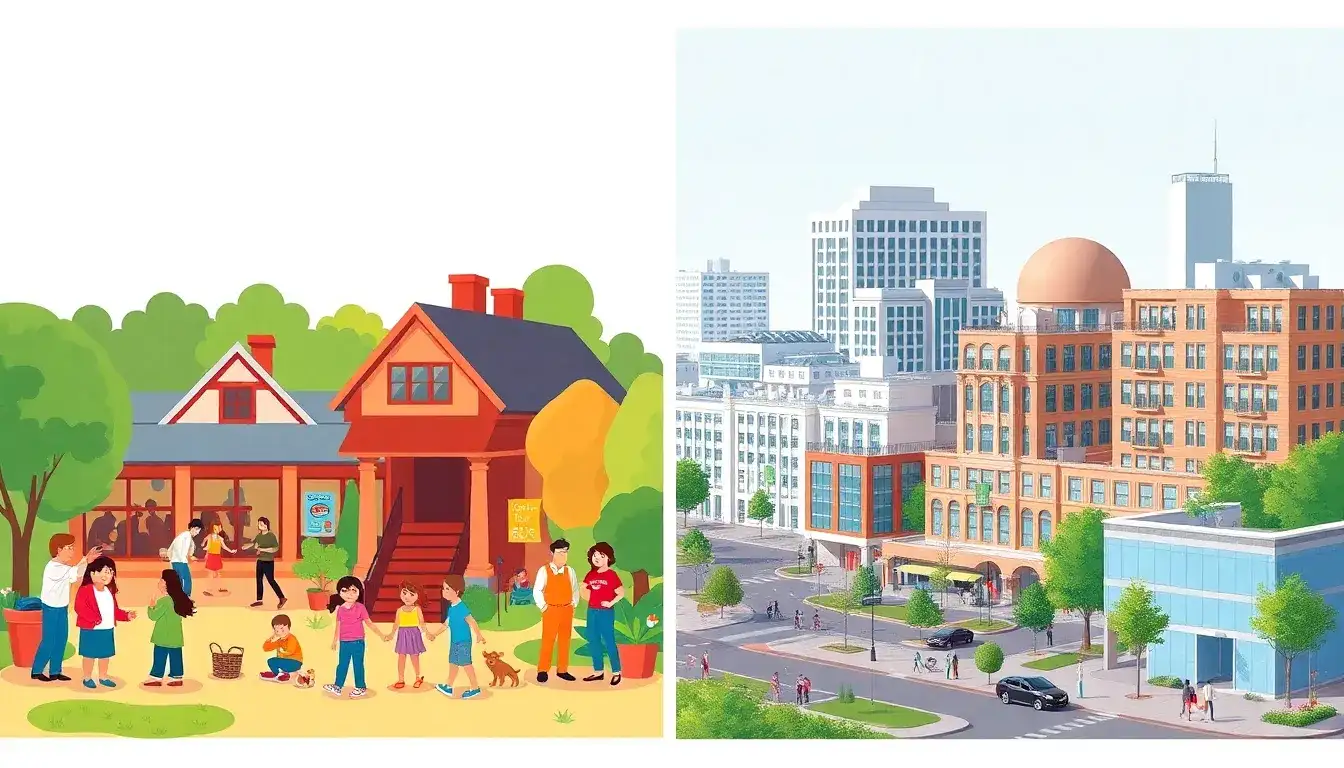
Government incentives differ significantly between low-income and high-income areas, primarily targeting the specific needs and economic conditions of these communities.
Incentives for Low-Income Areas
Direct Assistance and Social Support Programs
- Programs such as the Supplemental Nutrition Assistance Program (SNAP), Affordable Care Act subsidies, and Supplemental Security Income (SSI) provide direct financial or in-kind support aimed at improving basic living conditions for low-income individuals and families.
- Housing assistance is a major focus, with subsidized housing, housing vouchers (formerly Section 8), and public housing programs designed to ensure low-income families pay no more than about 30% of their income on rent. These programs also include support for energy costs via the Low-Income Home Energy Assistance Program (LIHEAP).
- Early childhood education programs like Head Start offer free or reduced-cost access to comprehensive education, nutrition, and health services specifically targeting low-income children and families.
- Financial assistance through tax credits like the Earned Income Tax Credit (EITC) provides substantial relief to working families earning below a set income threshold (e.g., less than about $51,000 annually), lifting millions out of poverty.
- Home repair loans and grants for very low-income homeowners help maintain affordable housing stock and safety in these communities.
Economic Development via Tax Incentives
- Opportunity Zones are designated census tracts in low-income areas where investors receive tax benefits to spur economic growth and job creation. These incentives are designed to attract private investment into distressed communities.
Incentives for High-Income Areas
- While the search results do not specify special government incentive programs tailored exclusively for high-income areas, in general, such areas benefit less from direct social assistance and more from broader economic policies.
- High-income areas do not typically qualify for programs aimed at income-based subsidies or direct financial assistance but may benefit from tax deductions, capital gains tax treatments, or incentives indirectly through investments driven by Opportunity Zones adjacent or related to affluent markets.
Summary
| Aspect | Low-Income Areas | High-Income Areas |
|---|---|---|
| Direct Assistance | Housing vouchers, SNAP, SSI, health insurance subsidies | Generally not targeted |
| Education | Head Start and subsidized early childhood programs | Not targeted |
| Financial Aid | Earned Income Tax Credit, cash assistance programs | Not targeted |
| Housing Support | Subsidized housing, home repair loans/grants | Not typically applicable |
| Economic Development | Opportunity Zones offering tax incentives to investors | Less targeted, benefits through indirect investment opportunities |
Overall, government incentives for low-income areas focus on direct support for basic needs, education, housing, and economic revitalization through targeted tax benefits. High-income areas receive relatively less targeted government incentive support focused on poverty alleviation or economic stimulus, reflecting different policy priorities.
Original article by NenPower, If reposted, please credit the source: https://nenpower.com/blog/how-do-government-incentives-differ-between-low-income-and-high-income-areas/

