

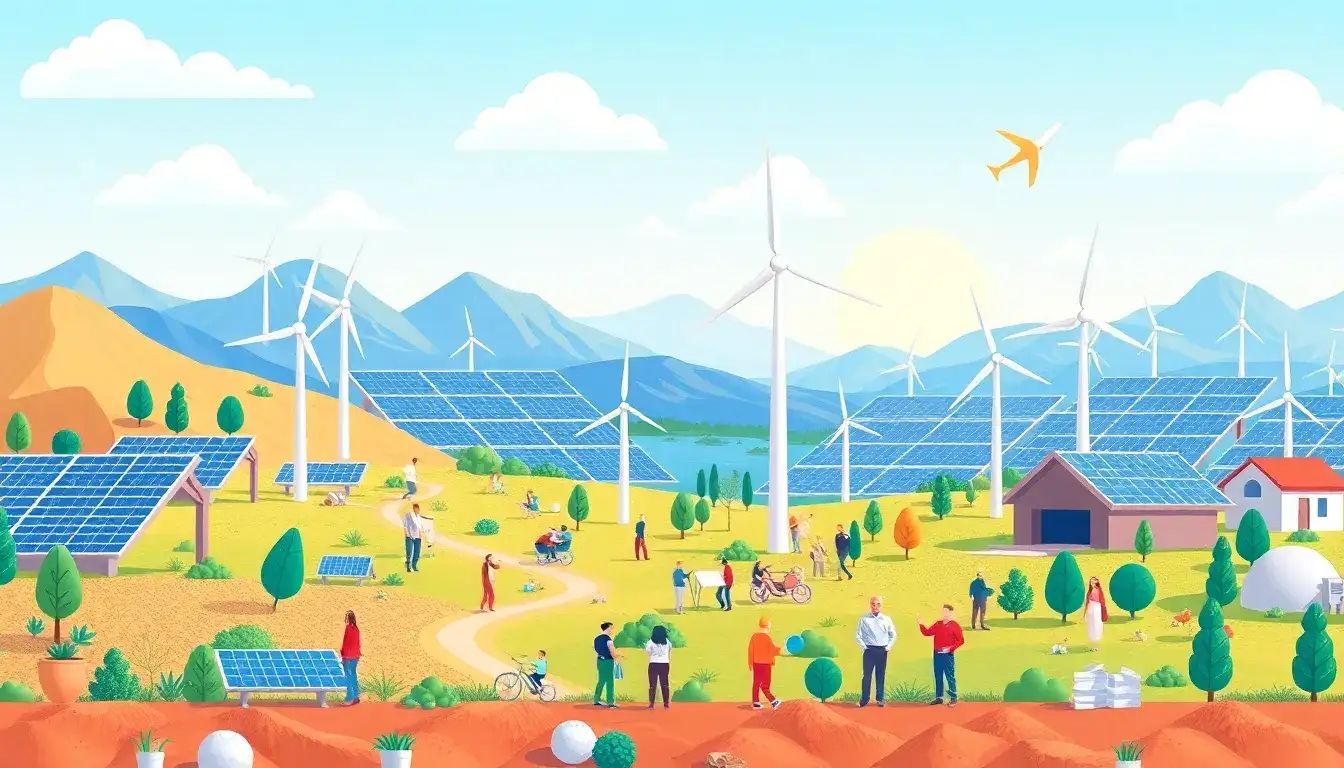
Government incentives significantly accelerate renewable energy adoption by reducing financial barriers and creating regulatory requirements. Key mechanisms include:
Financial Incentives
- Tax Credits: Federal programs like the Investment Tax Credit (ITC) and Production Tax Credit (PTC) directly lower project costs for solar, wind, and other renewables. The Inflation Reduction Act (2022) expanded these credits and introduced bonuses for projects in coal communities or on brownfields.
- Grants and Rebates: Federal and state programs offer upfront funding for households and businesses, such as the EPA’s RE-Powering Initiative grants and state-level rebates for solar installations.
- Accelerated Depreciation: The Modified Accelerated Cost-Recovery System (MACRS) allows faster write-offs for renewable energy investments, improving cash flow for developers.
Regulatory Frameworks
- Renewable Portfolio Standards (RPS): Mandates requiring utilities to source a percentage of electricity from renewables drive large-scale adoption, particularly in states with aggressive targets.
- Renewable Energy Certificates (RECs): Tradable credits incentivize renewable generation by allowing producers to sell excess “green” attributes, creating additional revenue streams.
Market Mechanisms
- Green Bonds: Governments and corporations issue bonds specifically for renewable projects, attracting institutional investors to fund large-scale wind and solar farms.
- State-Level Programs: Tailored incentives, such as Iowa’s wind energy tax exemptions, address regional energy needs and resource availability.
By combining these tools, governments reduce risks for investors, lower consumer costs, and create predictable demand for renewable energy technologies.
Original article by NenPower, If reposted, please credit the source: https://nenpower.com/blog/how-do-government-incentives-affect-the-adoption-of-renewable-energy-technologies/

