

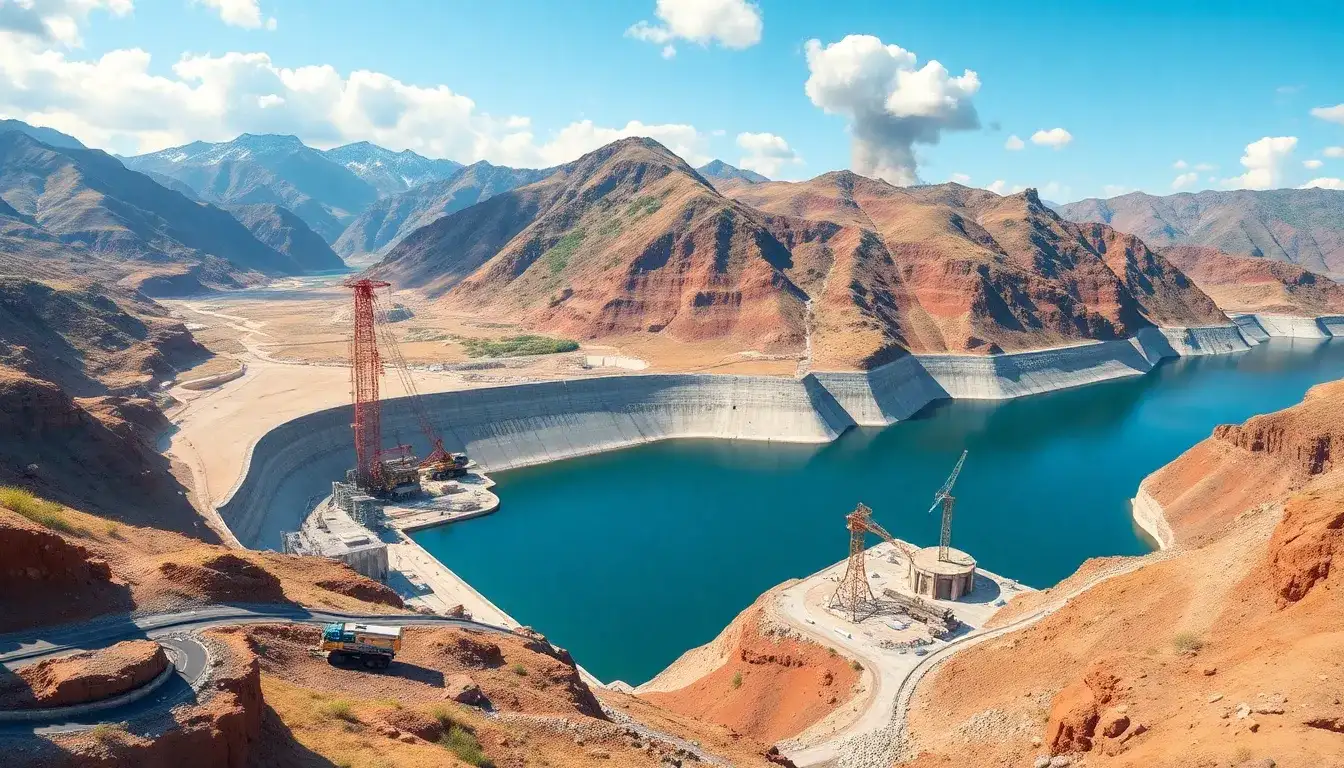
Geological risks significantly impact the construction of pumped hydro storage (PHS) systems due to the complex underground works involved, including tunnels, shafts, and caverns necessary for water conveyance and powerhouses. These risks can lead to unexpected costs, construction delays, and potential safety issues if not well understood and managed.
Key Geological Risks Impacting PHS Construction
- Unanticipated Geological Surprises: Complex underground excavation required for conventional PHS involves large caverns and tunnels. Unpredicted geological conditions such as weak rock formations, fault lines, or groundwater inflows can cause major difficulties, increasing construction time and costs.
- Site-Specific Geological Conditions: The variability in rock and soil properties heavily influences the design and engineering of dams, tunnels, and powerhouses. Poor understanding of these conditions can result in structural instability or expensive redesigns during construction.
- Risk to Underground Structures: Geological risks extend beyond the dam itself to all associated structures, including spillways and powerhouse tunnels. These risks can affect stability, safety, and the longevity of the project.
How Geological Risks Affect PHS Construction
- Increased Capital Costs and Delays: Geological uncertainties often require larger safety margins, extensive investigations, or specialized construction techniques, leading to higher upfront capital expenditures and construction time overruns.
- Design Complexity: Challenging geologies may force more complex and expensive structural designs, including extensive tunneling supports or modifications to reservoir configuration.
- Environmental and Social Considerations: Geological conditions can dictate construction methods that impact river diversions, aquatic ecology, and require detailed environmental impact mitigation strategies.
Mitigation Strategies
- Extensive Geological Investigations: Progressive geological modeling through drilling, mapping, and other subsurface exploration is critical. This helps engineers design safe and stable structures and reduce financial risk by identifying hazards early.
- Innovative Design Approaches: New PHS technologies, such as Obermeyer Hydro’s system, reduce geological risk by minimizing underground excavation volume and complexity. Their design uses a vertical shaft with a submersible pump-turbine instead of large underground caverns, cutting costs and reducing geologic risk and environmental impact significantly.
- Risk Management and Contractual Planning: Thorough cataloging of geological and construction risks is essential before financing. Contracts often incorporate risk-sharing mechanisms linked to unknown ground conditions to avoid disputes and ensure project viability.
In summary, geological risks profoundly shape the feasibility, cost, design, and environmental footprint of pumped hydro storage projects. Successful development depends on detailed geological assessments, innovative engineering solutions to minimize underground works, and comprehensive risk management plans to address the uncertainties intrinsic to subterranean construction activities.
This approach not only improves safety but also reduces unexpected costs and environmental impacts, thereby making PHS projects more economically viable and sustainable.
Original article by NenPower, If reposted, please credit the source: https://nenpower.com/blog/how-do-geological-risks-impact-the-construction-of-pumped-hydro-storage-systems/

