

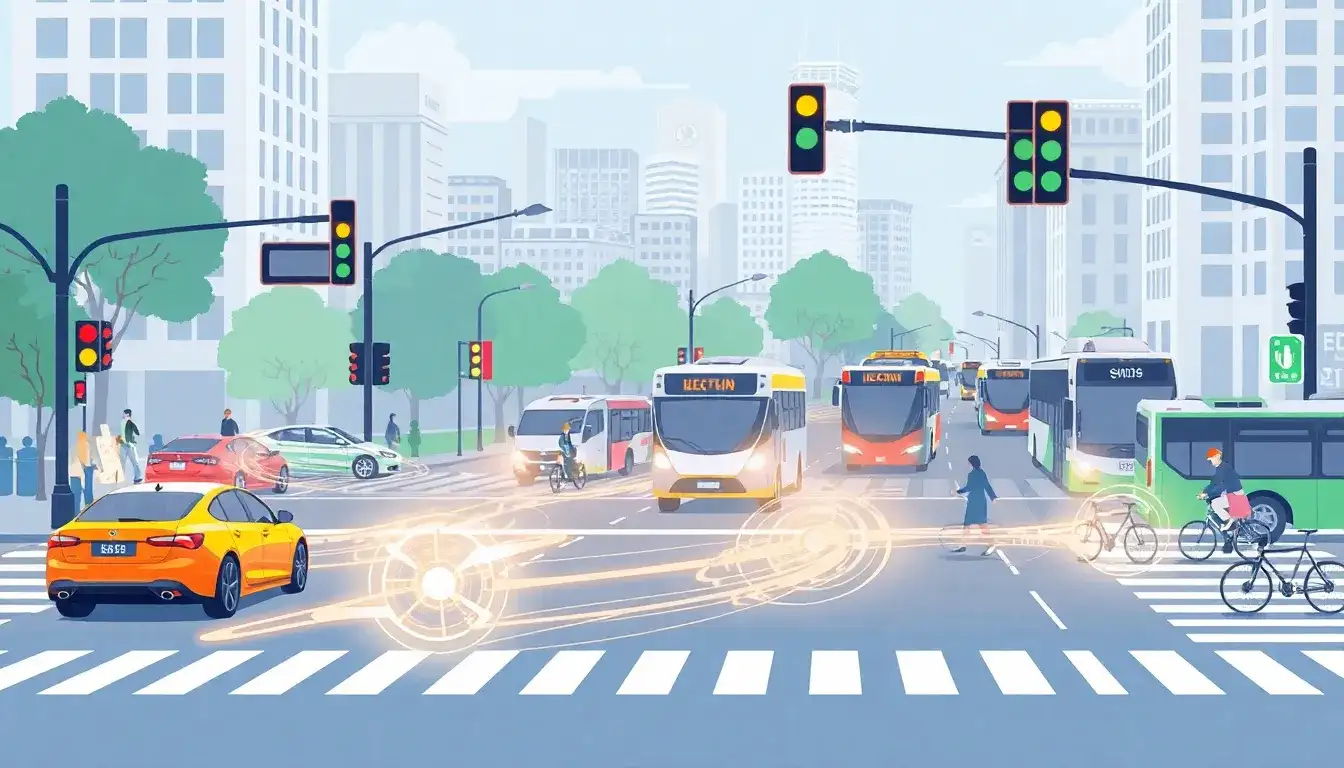
How Frequent Stops in City Driving Maximize the Benefits of Regenerative Braking
1. Increased Energy Recovery
Frequent stops in city driving allow for more opportunities to engage the regenerative braking system. This means that every time the vehicle decelerates, it captures kinetic energy and converts it into electrical energy, which is then stored in the battery. The more often you brake, the more energy you recover, thereby extending the vehicle’s range and improving efficiency.
2. Improved Efficiency and Range
Regenerative braking is particularly effective in urban environments where vehicles frequently start and stop. Studies suggest that this can improve urban driving efficiency by up to 30%. By capturing and utilizing more energy, regenerative braking helps extend the driving range of electric vehicles, making them more practical for city driving conditions.
3. Reduced Wear on Brake Components
In traditional internal combustion engine vehicles, frequent braking causes wear on mechanical brake components like pads and rotors. Regenerative braking reduces reliance on these components, leading to less wear and tear. This results in lower maintenance costs over time, with estimates suggesting up to 50% savings in maintenance compared to ICE vehicles.
4. Enhanced Driving Experience
The regenerative braking system provides a smoother deceleration experience compared to the abrupt stops typical of traditional braking systems. This contributes to a more comfortable driving experience, particularly in congested city traffic where vehicles are frequently stopping and starting.
In summary, frequent stops in city driving maximize the benefits of regenerative braking by increasing energy recovery, improving efficiency and driving range, reducing wear on brake components, and enhancing the overall driving experience.
Original article by NenPower, If reposted, please credit the source: https://nenpower.com/blog/how-do-frequent-stops-in-city-driving-maximize-the-benefits-of-regenerative-braking/

