

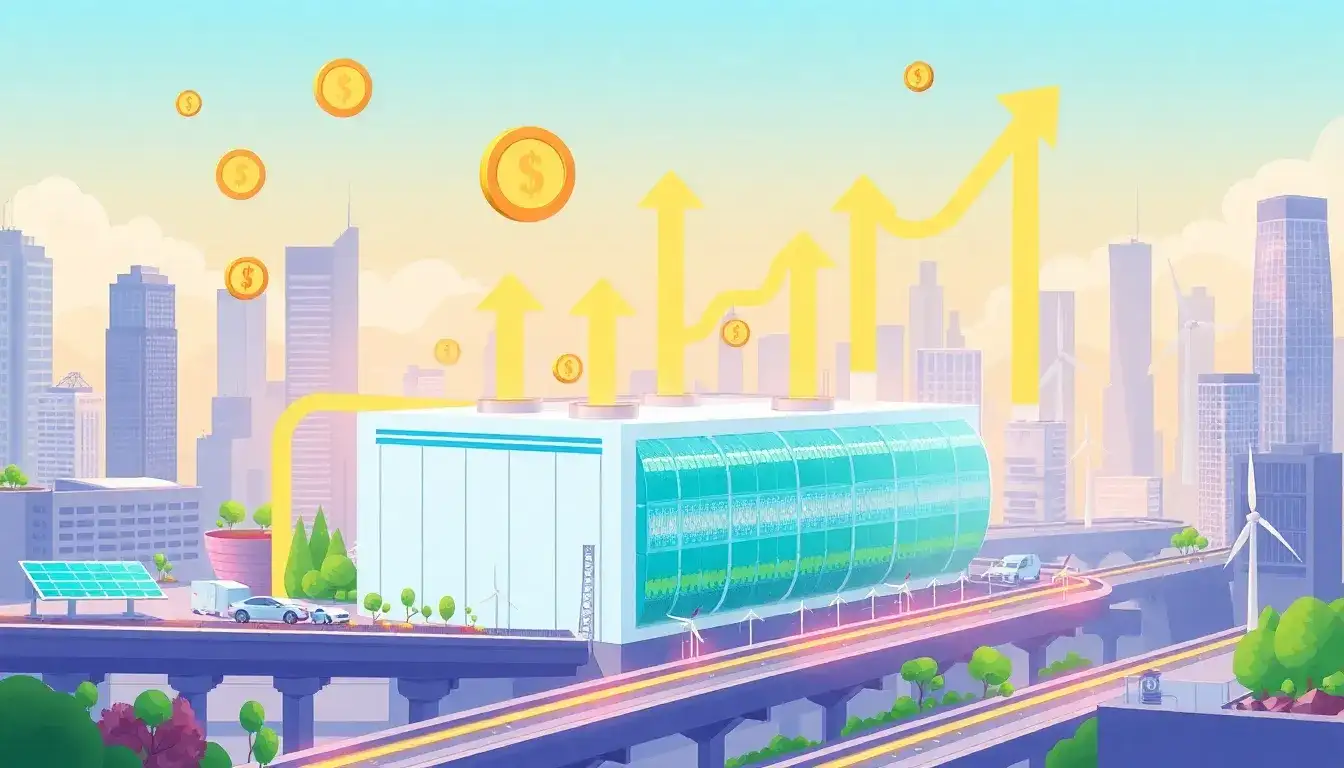
Financial incentives significantly impact the economic viability of Liquid Air Energy Storage (LAES) systems by enhancing their profitability and encouraging investment. Here are key ways these incentives can influence the economic viability of LAES:
Impact of Financial Incentives
- Capital Expenses Subsidies: Providing subsidies on capital expenses can make LAES systems more economically viable, especially in areas where other forms of energy storage may be less feasible due to geographical or environmental constraints.
- Discharge Subsidy Policies: Discharge subsidy policies, such as providing incentives for electricity sold during peak demand, can advance investment in LAES by at least one year. These policies are more effective than investment subsidies in promoting LAES projects.
- Preferential Taxation Policies: These policies can increase the investment value of LAES systems, particularly in regions with significant price differences between peak and off-peak electricity rates. This can attract investors by offering favorable tax conditions.
- Time-of-Use Pricing Mechanisms: Enhancing time-of-use pricing can create greater profit potential for LAES operations by aligning the storage and discharge of energy with fluctuating electricity prices, thereby optimizing revenue generation.
- Auxiliary Service Markets: Encouraging the development of auxiliary service markets for energy storage can provide diversified revenue streams for LAES projects, making them more attractive to investors.
In summary, financial incentives are crucial for making LAES economically viable by reducing upfront costs, increasing revenue potential, and encouraging investment through policy support.
Original article by NenPower, If reposted, please credit the source: https://nenpower.com/blog/how-do-financial-incentives-affect-the-economic-viability-of-laes/

