

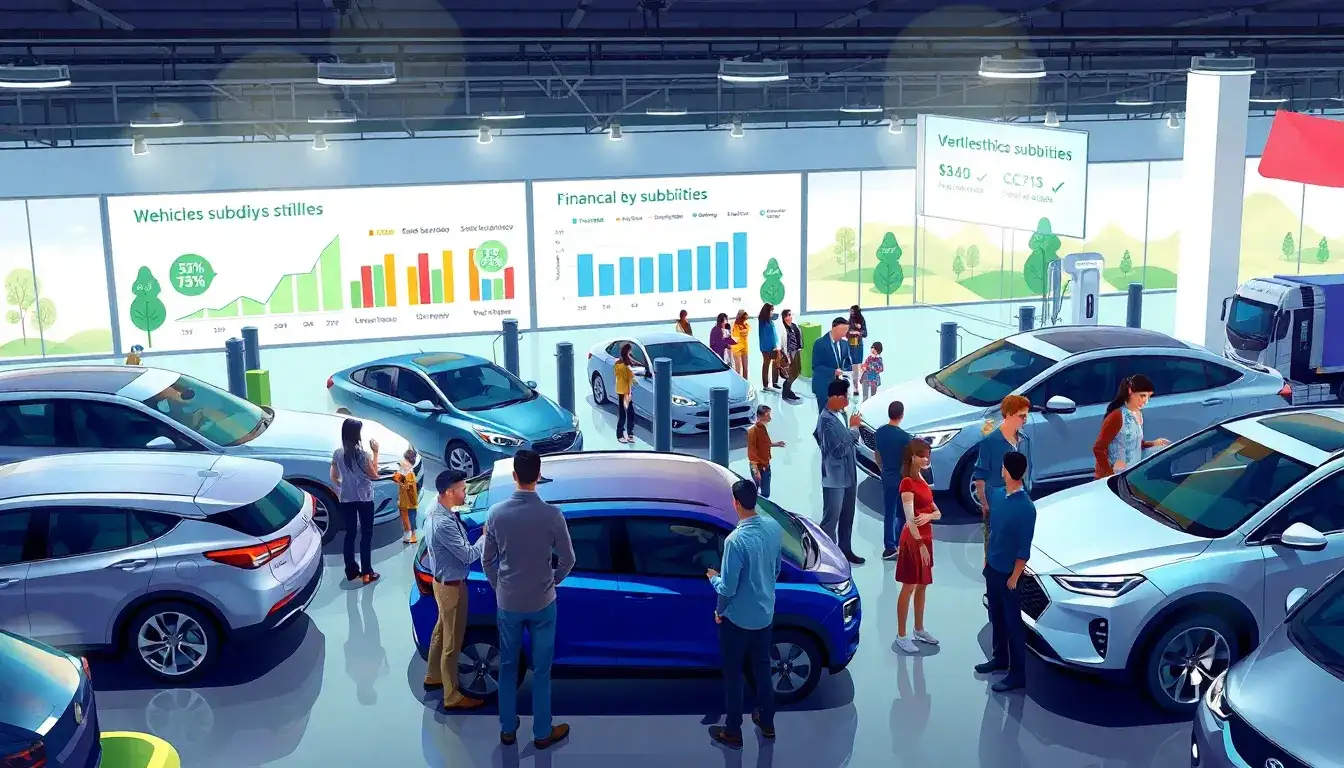
Electric vehicle (EV) subsidies significantly influence consumer behavior in the automotive market by reducing the effective purchase price of EVs, thereby encouraging adoption. Various studies and reports illustrate several key impacts:
- Increased Purchase Intent and Sales: Financial incentives such as tax rebates and subsidies make EVs more affordable, directly boosting consumer interest and purchase rates. For example, a guaranteed $7,500 tax rebate could increase positive EV views to 78% among Democrats and 71% among Republicans, implying stronger market demand when subsidies are available. Another analysis estimates that without federal tax subsidies, EV purchases would have dropped by about 29%.
- Magnitude of Sales Impact: Research shows that rebates in the $1,000–$3,000 range correspond to a 7%–12% increase in EV sales, while smaller incentives for hybrid vehicles raise sales by 3%–5%. This indicates that even modest subsidies can notably affect consumer purchasing decisions.
- Subsidy Pass-Through and Pricing: Studies suggest that 70-80% of government subsidies tend to be passed through to consumers in the form of lower prices, which directly impacts the final cost seen by buyers and helps overcome cost barriers.
- Consumer Psychology and Behavior: Financial incentives are among the most effective levers to reduce the psychological and economic barriers to EV adoption. They improve the cost-benefit perception, making buyers more likely to choose EVs over conventional vehicles.
- Market and Political Dynamics: Positive consumer attitudes towards EVs are linked to the presence of subsidies, showing that policy design can shape both public opinion and actual buying behavior, fostering a more equitable and accessible EV market.
- Limitations: While subsidies clearly promote EV adoption, studies suggest that a significant share of purchases (around two-thirds) may occur regardless of subsidies, highlighting that other factors such as technology, brand, and infrastructure also influence decisions.
In sum, EV subsidies serve as a crucial financial incentive that lowers upfront costs, alters consumer perceptions, and increases EV market penetration, though their influence interacts with broader behavioral and market factors. They are vital tools for accelerating EV adoption but are part of a nuanced landscape where price incentives combine with psychological and infrastructural elements to shape consumer behavior in the automotive market.
Original article by NenPower, If reposted, please credit the source: https://nenpower.com/blog/how-do-ev-subsidies-influence-consumer-behavior-in-the-automotive-market/

