

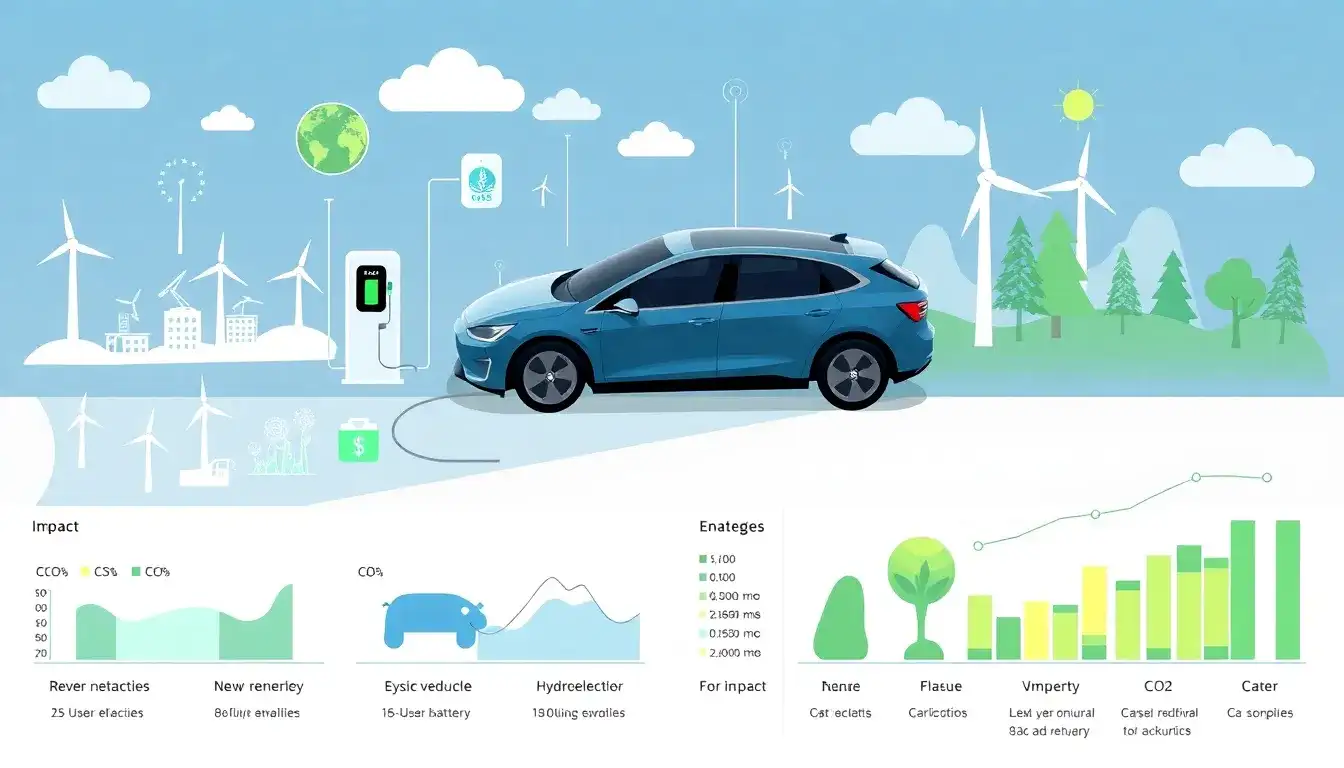
Electric vehicle (EV) subsidies are part of a broader strategy to mitigate climate change, but they have unique benefits and drawbacks compared to other climate change mitigation strategies. Here’s a comparison:
Key Benefits of EV Subsidies
- Environmental Benefits: EV subsidies help reduce emissions and improve air quality by encouraging the adoption of electric vehicles, which are generally cleaner than traditional internal combustion engine vehicles. A study found that increased EV use under policies like the California Zero Emission Vehicle mandate could cut greenhouse gas emissions from cars significantly.
- Economic Benefits: Subsidies can alleviate the higher upfront costs of EVs, making them more competitive with traditional vehicles. They also provide economic benefits by reducing reliance on foreign energy sources and supporting domestic manufacturing.
- Industry Support: EV subsidies have boosted profits for U.S. automakers and helped advance the development of the EV industry.
Drawbacks of EV Subsidies
- Cost Efficiency: A significant portion of subsidies (about 75%) goes to consumers who would have purchased EVs anyway, making the cost per additional vehicle sold high, at around $32,000.
- Limited Impact on Overall Emissions: Some studies suggest that current EV subsidies might not significantly reduce overall emissions, as they might simply shift emissions to other sectors without addressing the full lifecycle emissions of EVs.
Comparison to Other Strategies
Renewable Energy Subsidies
- Renewable Energy: Subsidies for solar and wind energy focus on reducing carbon emissions at the source, potentially offering more direct and significant reductions in emissions compared to EVs.
- Cost-Effectiveness: Renewable energy subsidies can be more cost-effective in reducing emissions since they directly target carbon-intensive energy production rather than just vehicle emissions.
Carbon Pricing and Cap-and-Trade Systems
- Direct Emissions Reduction: These strategies aim to reduce emissions more broadly across industries, creating a financial incentive for companies to decrease their carbon footprint.
- Market Efficiency: Carbon pricing systems can lead to more efficient allocation of resources as companies seek cost-effective ways to reduce emissions.
Energy Efficiency Standards
- Broader Coverage: Energy efficiency standards apply to a wide range of products and industries, potentially offering more comprehensive emissions reductions.
- Cost Savings: These standards often result in long-term savings for consumers by reducing energy consumption.
In summary, while EV subsidies have environmental and economic benefits, they are costly per vehicle sold and primarily benefit those who would have purchased EVs regardless. They are part of a broader toolkit for climate change mitigation and can be complemented by other strategies that address emissions more directly or across multiple sectors.
Original article by NenPower, If reposted, please credit the source: https://nenpower.com/blog/how-do-ev-subsidies-compare-to-other-climate-change-mitigation-strategies/

