

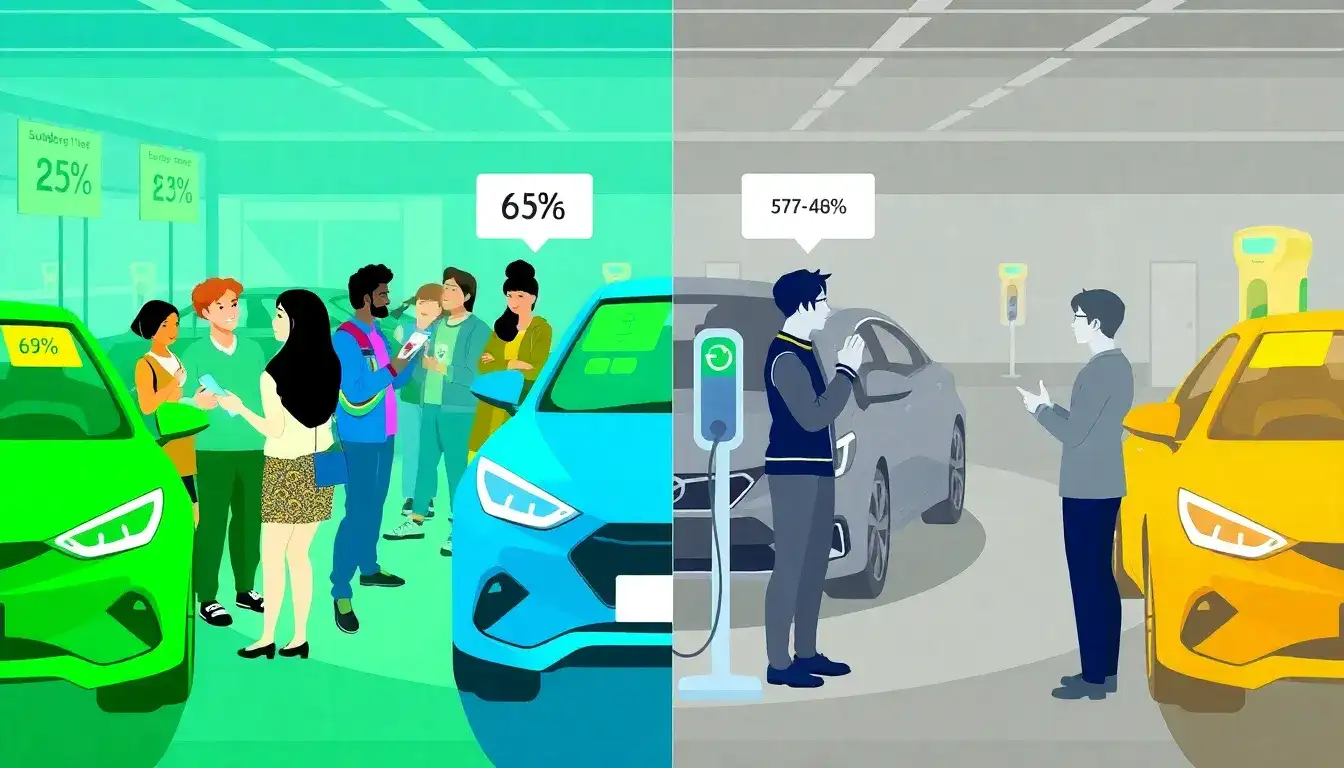
EV subsidies play a significant role in shaping the overall cost perception of consumers regarding electric vehicles (EVs). Here’s how subsidies influence consumer perceptions:
Impact of Subsidies
- Reduced Upfront Costs: Subsidies directly decrease the high initial costs associated with purchasing EVs, making them more affordable for consumers. Historically, one of the primary barriers to EV adoption has been the high upfront cost compared to traditional gasoline-powered vehicles.
- Financial Incentives: By offering financial incentives, governments encourage consumers to consider EVs as a viable alternative. These incentives can include rebates, grants, and tax credits, which vary by region and vehicle type.
- Increased Affordability: Even though EVs are generally perceived as expensive, subsidies help bridge this gap by reducing the perceived cost disadvantage compared to conventional vehicles.
- Perception of Value: When subsidies are available, consumers often perceive EVs as a better value, especially considering the long-term benefits such as lower running costs on electricity compared to gasoline.
Consumer Concerns and Subsidy Reductions
- Subsidy Reductions: Consumers express concerns when subsidies are reduced or eliminated, as this can increase the cost burden and make EVs less appealing.
- Charging Infrastructure: While subsidies address upfront costs, the lack of comprehensive charging infrastructure can still raise concerns about owning an EV.
Conclusion
In summary, EV subsidies significantly impact consumer perceptions by making electric vehicles more affordable and highlighting their value proposition. However, the reduction or elimination of these subsidies can inversely affect consumer confidence in EVs, emphasizing the need for sustained support policies to foster widespread adoption.
Original article by NenPower, If reposted, please credit the source: https://nenpower.com/blog/how-do-ev-subsidies-affect-the-overall-cost-perception-of-consumers/

