

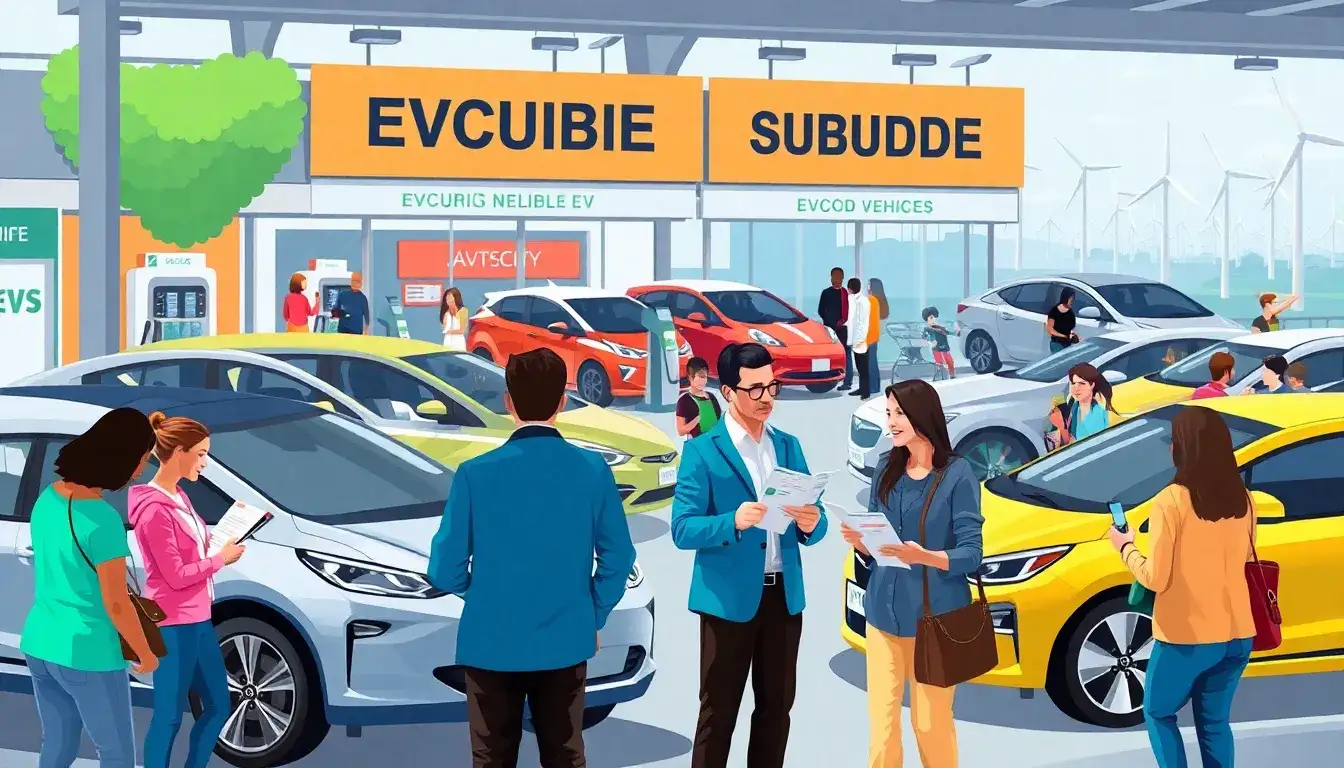
EV subsidies significantly influence consumer purchasing decisions through direct financial incentives and policy-driven market shifts. Key effects include:
Direct price reduction
Subsidies lower upfront costs, making EVs more competitive against traditional vehicles. For example, the IRA’s $7,500 tax credit directly reduces purchase prices, appealing to cost-sensitive buyers. Studies estimate subsidies in the $1,000–$3,000 range correlate with 7%–12% sales increases, demonstrating their immediate behavioral impact.
“Free rider” effect
A substantial portion of subsidies benefits consumers already inclined to purchase EVs. 75% of IRA tax credits went to buyers who would have chosen EVs regardless, raising questions about cost-effectiveness. Similarly, federal tax credits alone account for ~30% of EV purchases on average, with state-level incentives further complicating attribution.
Long-term market shaping
Subsidies encourage automakers to prioritize EV production, increasing model availability and consumer awareness. The IRA’s domestic manufacturing requirements also aim to strengthen supply chains, indirectly boosting buyer confidence in EV reliability and resale value.
Comparative effectiveness
While subsidies drive adoption, their efficiency varies:
| Scenario | Cost per additional EV | Benefit per dollar spent |
|---|---|---|
| Pre-IRA | N/A | $1.87 (US benefits) |
| No subsidies | N/A | $1.02 |
Without incentives, experts warn of lower sales volumes and declining residual values, highlighting subsidies’ role in market stability. However, their design—such as income caps or domestic content rules—critically determines whether they attract new buyers or merely reward existing demand.
Original article by NenPower, If reposted, please credit the source: https://nenpower.com/blog/how-do-ev-subsidies-affect-consumer-purchasing-decisions/

