

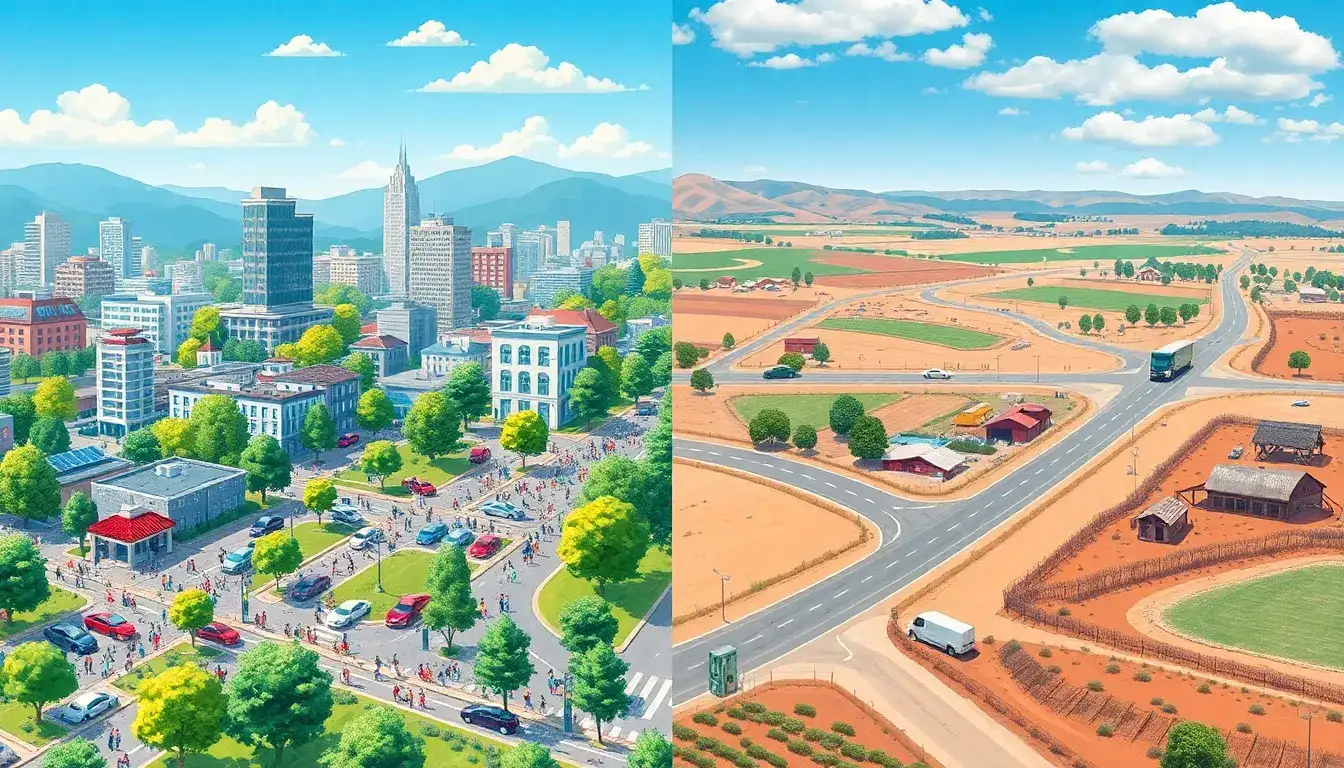
Electric vehicle (EV) adoption rates vary significantly between blue and red states in the United States. Generally, blue states tend to have higher EV adoption rates compared to red states. By 2022, EVs represented more than 5% of the new vehicle market in most Democratic states, while in most Republican states, they were below 5%.
Some of the key differences and factors influencing EV adoption are as follows:
Blue States
- High Adoption Rates: States like California, Washington, Oregon, and Hawaii have among the highest EV adoption rates. California, in particular, has over 25% of new vehicle sales being electric, largely due to state incentives like rebates and investments in EV infrastructure.
- Political Support and Incentives: These states often have policies that support EV adoption, such as rebates for EV buyers and significant investments in charging infrastructure.
Red States
- Lower Adoption Rates: States like Wyoming, Oklahoma, West Virginia, and Mississippi have lower EV adoption rates. North Dakota had the lowest rate, with only about 1.2% of new vehicle sales being electric.
- Less Political Support: These states often have less support for EVs, both in terms of political backing and infrastructure investments, which contributes to lower adoption rates.
However, there are exceptions:
- Utah, a red state, has a notably higher adoption rate of over 8%.
- New York, a blue state, has lower adoption rates compared to some other blue states.
In summary, while there is a general trend of higher EV adoption in blue states, other factors such as state policies, infrastructure, and economics also play significant roles.
Original article by NenPower, If reposted, please credit the source: https://nenpower.com/blog/how-do-ev-adoption-rates-in-blue-states-compare-to-red-states/

