

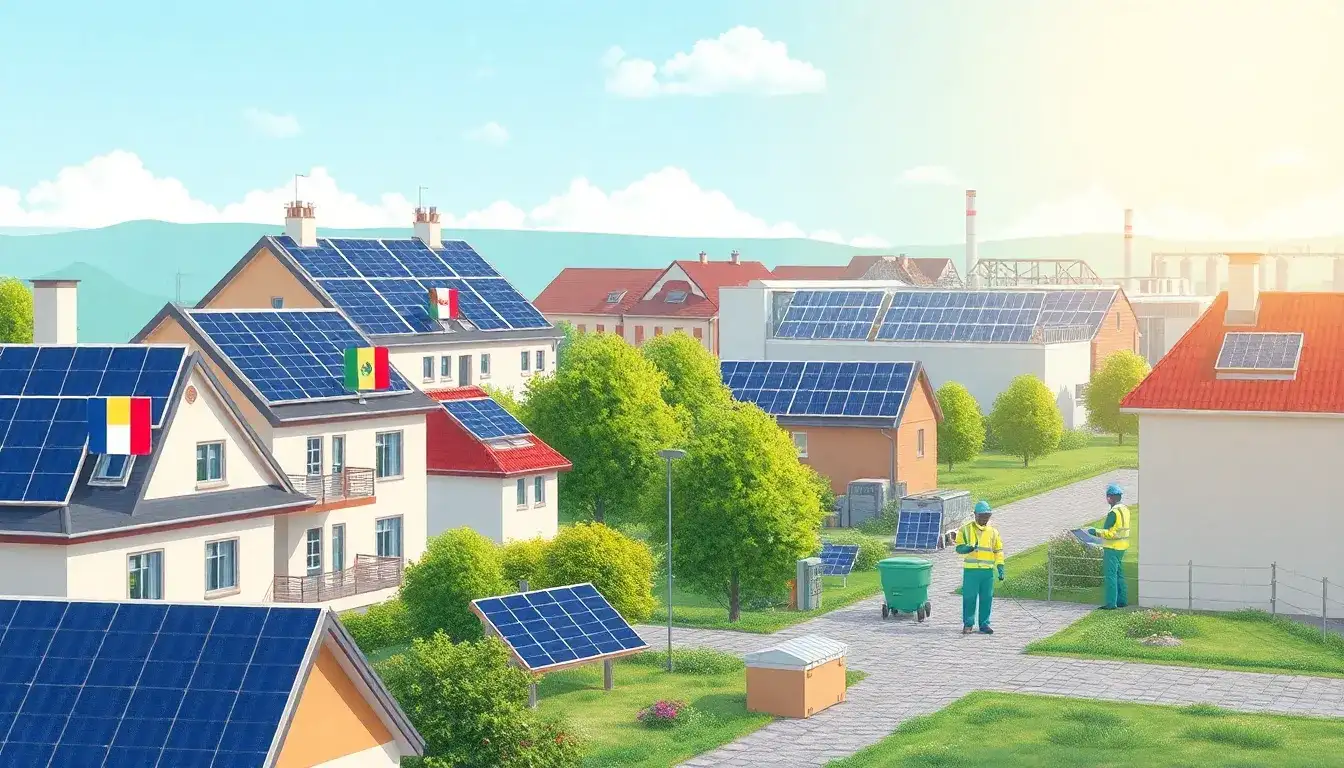
EU countries enforce the WEEE Directive for photovoltaic (PV) waste management through national transpositions of the directive that set legal obligations on producers, importers, and distributors of electrical and electronic equipment—including PV panels—to finance and organize the collection, treatment, recycling, and environmentally sound disposal of their products at end-of-life. Key enforcement features include:
- Producer Responsibility and Registration: Manufacturers and distributors of PV panels must register with national authorities or designated agencies. They often must join or create producer compliance schemes that handle the logistics and financing of WEEE collection and recycling. For example, in Germany, this is regulated under the Elektrogesetz (ElektroG), and producers must register with Stiftung EAR and pay recycling fees.
- Collection Infrastructure and Free Take-Back: Member States must ensure users have access to convenient collection points for WEEE, including PV waste, often free of charge. This encourages proper disposal and prevents illegal dumping.
- Reporting and Target Compliance: Countries are required to report annually to the European Commission on collection rates, recycling, and recovery targets. These targets are set to ensure that a minimum percentage of PV waste and other electrical equipment waste is collected and treated properly.
- Monitoring and Data Collection: The EU has established standardized methodologies and regulations (e.g., Commission Implementing Regulation (EU) 2017/699) to monitor compliance, including the weight of PV equipment placed on the market and the amount of PV waste generated and collected. This supports enforcement by enabling consistent data collection across Member States.
- Specific National Measures: While the framework is EU-wide, enforcement specifics differ by country. Some countries require foreign producers selling PV panels directly (e.g., via e-commerce) to appoint local authorized representatives for compliance purposes.
In summary, enforcement relies on national legislation aligned with the EU WEEE Directive, compulsory producer registration, financial responsibility, nationwide collection systems, free take-back for users, annual reporting to the Commission on compliance with recycling targets, and standardized data monitoring methodologies. This coordinated approach ensures PV waste is managed sustainably across the EU.
Original article by NenPower, If reposted, please credit the source: https://nenpower.com/blog/how-do-eu-countries-enforce-the-weee-directive-for-pv-waste-management/

