

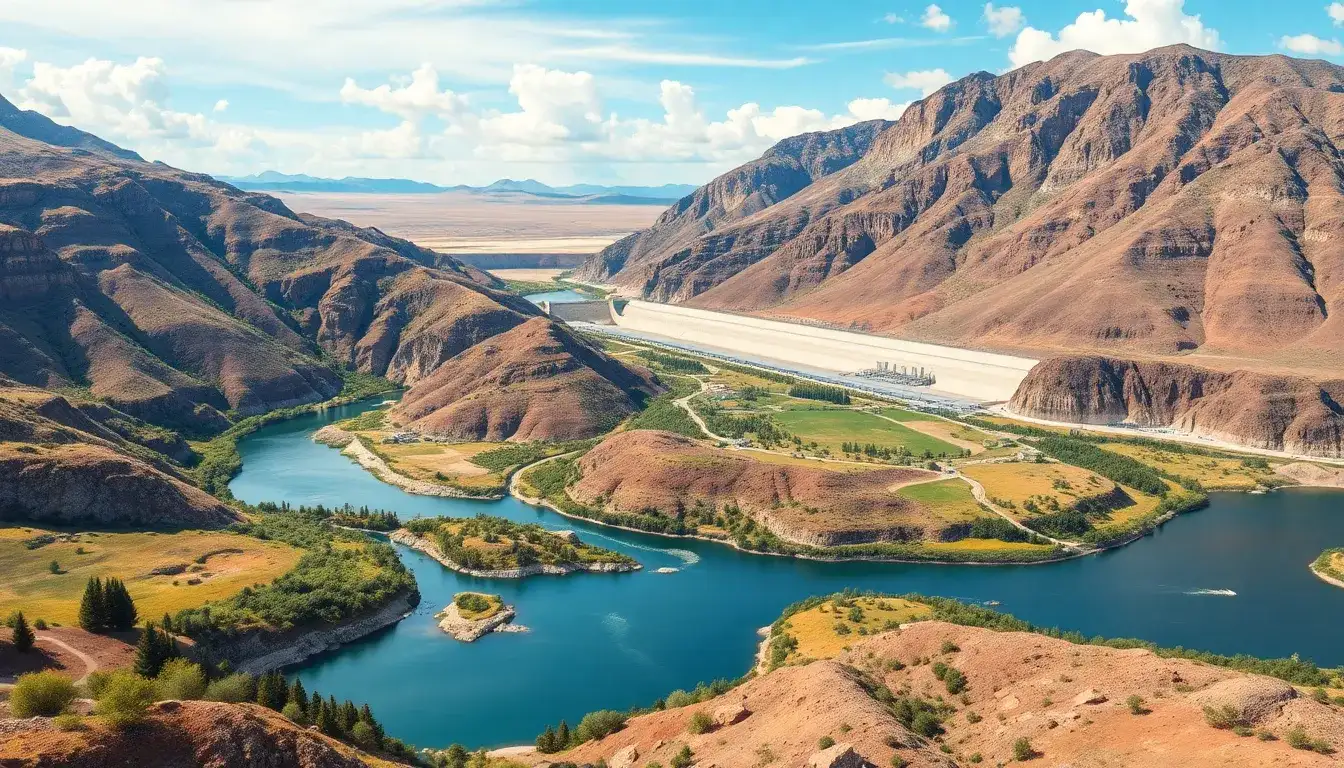
Environmental considerations play a significant role in the site selection for pumped hydroelectric energy storage (PHES) systems due to their varied impacts on ecosystems, water resources, and local geology.
Key Environmental Impacts Affecting Site Selection
1. Water Resources and Aquatic Ecosystems
– Open-loop PHES systems are connected to naturally flowing water bodies, potentially causing disruptions like river diversion during construction and altering aquatic ecosystems, which may lead to environmental contention and licensing delays. Closed-loop systems, which isolate reservoirs from natural streams, can minimize these aquatic impacts and provide greater siting flexibility since they do not require continuous connection to natural water features.
2. Terrestrial Ecosystems and Land Use
– Construction of PHES involves significant earthworks, including dam building and reservoir excavation, which may alter local flora and fauna habitats. Closed-loop systems, often located off-stream, tend to have more localized and shorter-duration ecological impacts compared to open-loop systems but still affect terrestrial ecosystems during initial construction and operation phases.
3. Geological and Soil Considerations
– Closed-loop PHES projects, especially those utilizing underground reservoirs or groundwater, may have higher impacts on geology, soils, and groundwater quality compared to open-loop systems. These considerations influence the choice of site, requiring geological stability, suitable soil conditions, and groundwater management plans to mitigate risks.
4. Greenhouse Gas Emissions
– PHES generally has low life-cycle greenhouse gas emissions compared to other energy storage technologies, making it attractive in clean energy transitions. Closed-loop configurations tend to emit even fewer greenhouse gases because of reduced interaction with natural water bodies that could release methane or CO2.
5. Construction Materials and Environmental Footprint
– The construction phase contributes significantly to environmental impacts mainly due to the use of materials like concrete, steel, and cement. These factors influence site selection by favoring locations where materials can be sourced sustainably and impacts minimized over the project lifecycle.
6. Flood Risk and Safety
– Construction and operation of dams can alter hydrology and increase the risk of flooding. Site selection must consider topography and hydrological conditions to manage these risks effectively during and after construction.
Summary of Environmental Considerations Impacting Site Selection
| Environmental Factor | Impact on Site Selection | Closed-loop vs Open-loop Considerations |
|---|---|---|
| Water sourcing and rights | Need for reliable water supply with minimal ecosystem harm | Closed-loop offers greater flexibility, less ecosystem disruption |
| Aquatic ecosystem impacts | Avoidance of sensitive water bodies and habitats | Closed-loop reduces aquatic impacts |
| Terrestrial ecology | Minimize habitat fragmentation and vegetation loss | Localized impacts in closed-loop but still present |
| Geology and soils | Stable geology, minimal soil erosion and contamination risk | Closed-loop may increase impacts on groundwater and soils |
| Greenhouse gas emissions | Prefer sites minimizing emissions | Closed-loop emits less GHG |
| Construction material footprint | Accessibility for sustainable material sourcing | Affects cost and environmental impact |
| Flood risk | Sites with low flood risk and manageable hydrology | Considered in both, but more critical for open-loop |
Environmental considerations crucially influence site suitability for PHES to reduce ecological disruption, water conflicts, and overall environmental footprint. Closed-loop PHES designs are increasingly preferred for new developments because they offer reduced environmental impact and greater siting flexibility compared to traditional open-loop designs.
Original article by NenPower, If reposted, please credit the source: https://nenpower.com/blog/how-do-environmental-considerations-impact-the-site-selection-for-pumped-hydroelectric-energy-storage-systems/

