

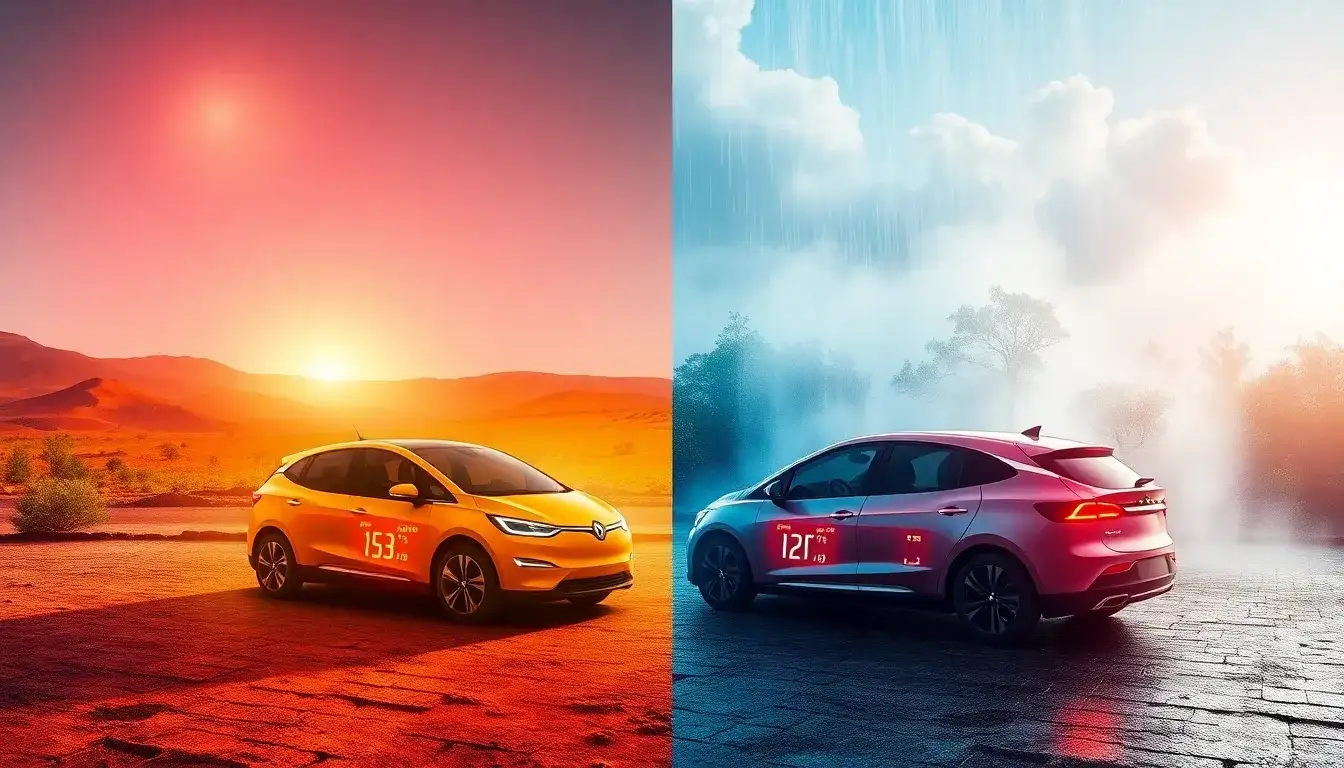
Environmental conditions, particularly temperature and humidity, significantly affect the lifespan of lithium-ion batteries in electric vehicles. Here’s how these factors impact battery longevity:
Temperature
- Extreme Heat: High temperatures can accelerate battery degradation, reducing the overall lifespan. EVs exposed to hotter climates tend to have faster battery degradation compared to those in cooler climates. Liquid-cooled batteries help mitigate this issue, showing better performance than air-cooled systems.
- Extreme Cold: While cold temperatures might improve battery efficiency in the short term, they can also decrease battery capacity and efficiency, making electric vehicles less reliable. However, the impact of cold on longevity is generally less severe than extreme heat.
Humidity
While humidity’s direct impact on lithium-ion batteries is less emphasized in the literature, maintaining stable conditions is important. High humidity can potentially lead to oxidation and cell degradation over time, though this is more of a concern during storage rather than operation.
Additional Factors
- Charge Cycles: Frequent charge-discharge cycles affect battery longevity. However, modern electric vehicles are designed to manage these cycles efficiently.
- Charging Methods: Frequent DC fast charging can lead to more rapid battery degradation than AC charging, though this effect is manageable with proper charging strategies.
Overall Impact
To maximize lithium-ion battery lifespan in electric vehicles, it’s crucial to maintain moderate temperatures, manage charging cycles, and minimize exposure to extreme environmental conditions. Advanced battery management systems and cooling technologies help optimize battery performance and extend their lifespan.
Original article by NenPower, If reposted, please credit the source: https://nenpower.com/blog/how-do-environmental-conditions-like-temperature-and-humidity-affect-the-lifespan-of-lithium-ion-batteries-in-electric-vehicles/

