

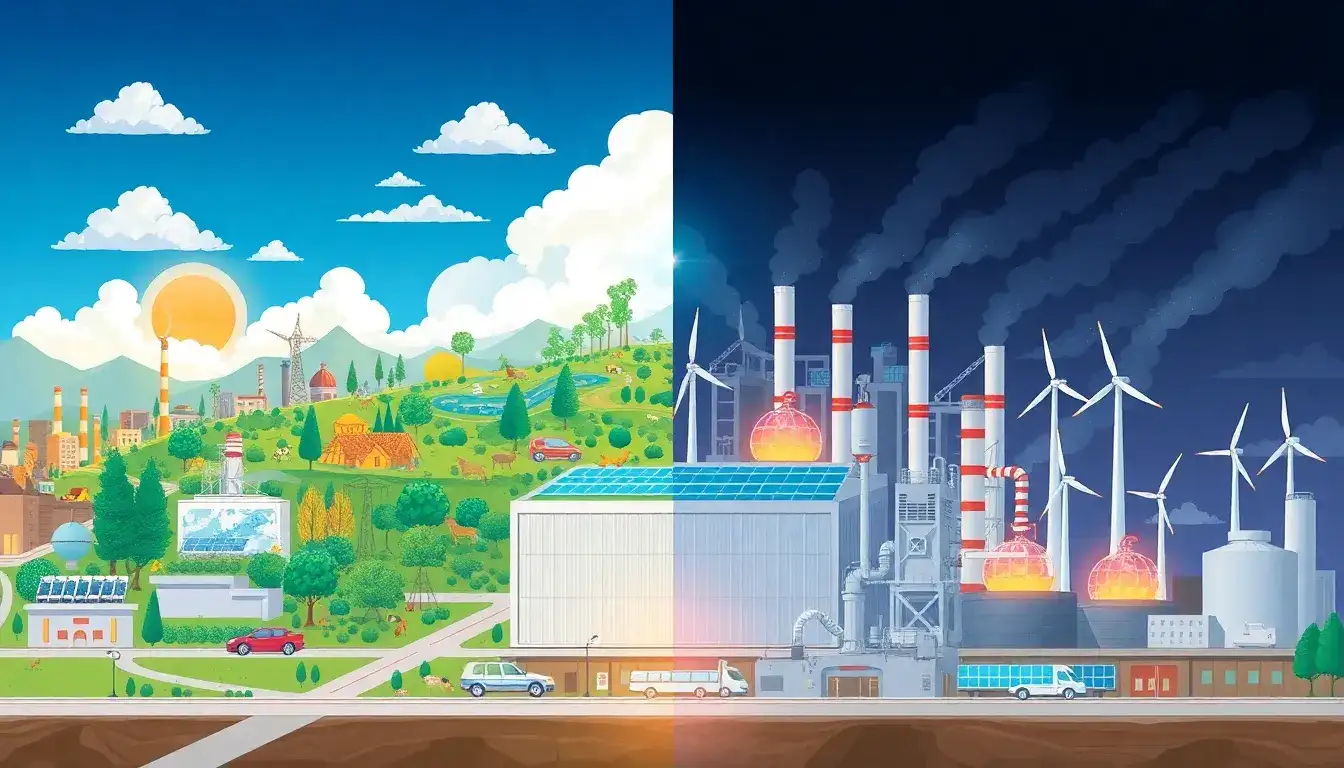
Environmental concerns significantly impact the scalability of thermal energy storage (TES) systems in several interconnected ways:
Material and Site Constraints
- Large-scale TES often requires substantial physical infrastructure such as enormous tanks for sensible heat storage or multiple modular units for latent heat storage. The volume of materials and space needed can pose logistical challenges, including the environmental footprint of material extraction, construction, and land use. Finding suitable locations, especially in urban or environmentally sensitive areas, becomes difficult due to space constraints, zoning laws, and ecological considerations.
Efficiency and Environmental Performance
- Low conversion efficiencies in current TES systems can reduce both cost-effectiveness and positive environmental impacts. Inefficient systems may demand more resources or energy input, thereby increasing indirect environmental burdens and potentially limiting economic viability for larger scales.
- Life cycle assessments suggest TES can reduce greenhouse gas (GHG) emissions significantly compared to fossil fuel backups. For example, TES can reduce life cycle GHG emissions by up to 7% compared to no storage and up to 210% compared to natural gas backup, also showing comparable water and land use requirements overall. This environmental benefit supports scaling TES as a sustainable alternative, but realizing these gains depends on optimized system design and integration.
Integration with Energy Systems and Grid
- Environmental concerns drive the need for TES systems to be integrated efficiently with the energy grid to manage demand peaks and reduce reliance on fossil fuels. However, this requires advanced control systems and coordination, complicating scalability efforts.
- Proper TES deployment can reduce peak electricity demand and associated emissions from fossil-fuel plants by shifting loads to off-peak periods, enhancing grid stability, and lowering overall environmental impact.
Economic and Regulatory Factors Influenced by Environmental Policy
- Environmental regulations and incentives aimed at reducing emissions influence TES adoption. High upfront costs remain a barrier, but government subsidies and tax credits reflecting environmental priorities improve the economic feasibility of scaling TES.
- Regulatory hurdles related to environmental impact assessments, permitting, and compliance can slow large-scale TES deployment, especially if environmental risks such as land disruption or ecosystem impacts are significant.
Summary Table of Environmental Impacts on TES Scalability
| Factor | Environmental Impact | Effect on Scalability |
|---|---|---|
| Material volume and site needs | Land use, resource extraction impacts | Limits location options and increases costs |
| Conversion efficiency | Indirect emissions and resource use | Lower efficiency reduces scalability appeal |
| GHG emission reductions | Potential to lower lifecycle emissions significantly | Supports TES as viable, sustainable option |
| Grid integration | Enables demand management, reduces fossil fuel dependence | Requires complex systems, complicates scaling |
| Regulatory and economic policies | Incentives promote TES; regulations can impose barriers | Influences pace and scale of deployment |
In conclusion, environmental concerns play a dual role in TES scalability: they motivate the adoption of TES for its emission reduction benefits but simultaneously impose constraints through land use, material demands, efficiency challenges, and regulatory complexity. Overcoming these issues through advanced technology, careful site selection, and policy support is essential for large-scale TES deployment that delivers both environmental and economic benefits.
Original article by NenPower, If reposted, please credit the source: https://nenpower.com/blog/how-do-environmental-concerns-impact-the-scalability-of-thermal-energy-storage-systems/

