

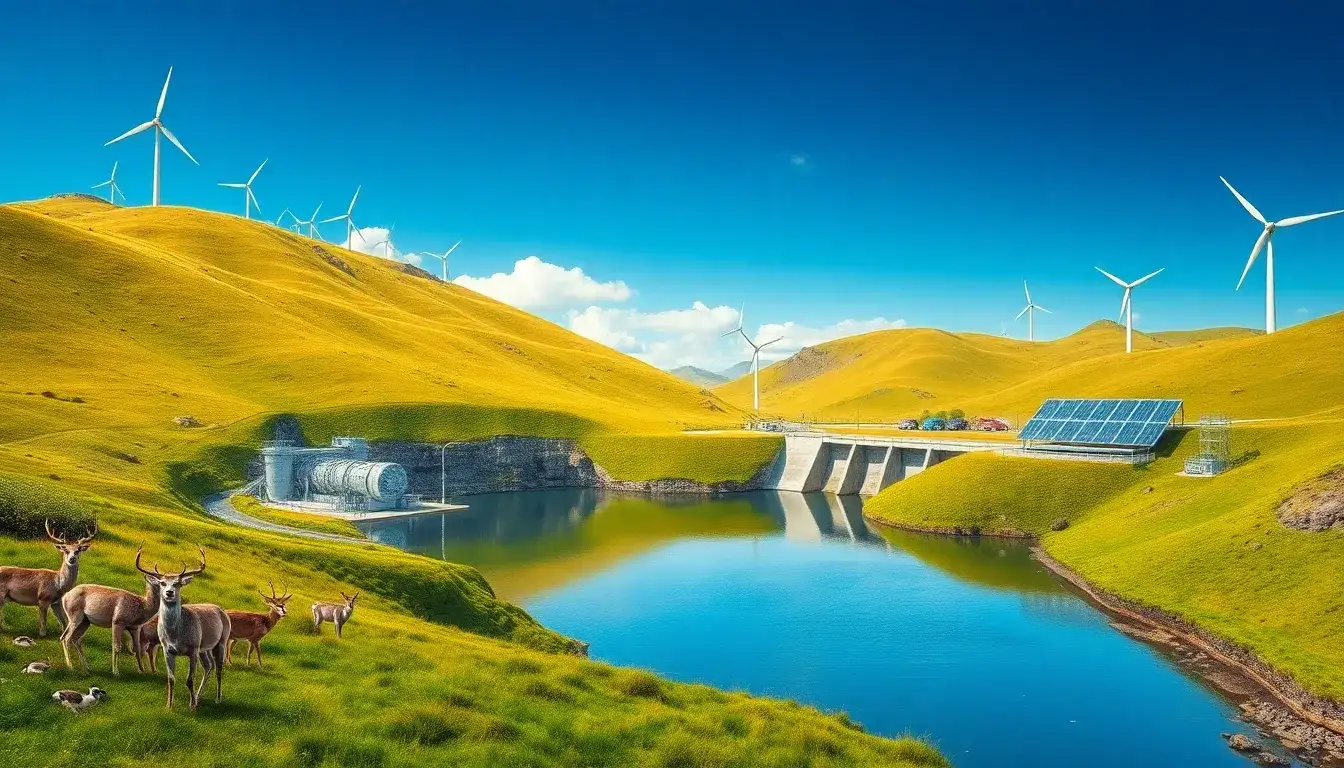
Impact of Environmental Concerns on PHS Maintenance
1. Ecosystem and Habitat Disruption
- PHS often involves constructing dams and reservoirs, which can alter local ecosystems and aquatic habitats. This disruption requires ongoing environmental monitoring and mitigation efforts during maintenance to protect and restore affected wildlife and plant species.
- Maintenance activities must consider habitat preservation, minimizing further disturbance especially in sensitive or protected areas, often leading to more complex and costly procedures.
2. Water Quality and Availability
- Water evaporation from reservoirs, particularly in arid regions, reduces water availability and can affect the system’s efficiency. Maintenance must address water management strategies to mitigate water loss and ensure sustainable reservoir levels.
- The quality of water can be impacted by stagnant conditions or changes in flow, necessitating monitoring and treatment regimes during maintenance to preserve aquatic life and system functionality.
3. Regulatory Compliance and Environmental Mitigation
- Ongoing maintenance is influenced by environmental regulations aimed at reducing the ecological footprint of PHS. This includes requirements for sediment control, fish passage, flow management, and habitat restoration, all of which add complexity and cost to maintenance operations.
- Many existing facilities engage in post-construction environmental improvement efforts, so maintenance schedules often integrate habitat enhancement and ecological mitigation measures.
4. Design Constraints and Operational Limitations
- Environmental concerns often restrict the ability to modify or expand existing facilities, limiting operational flexibility. Maintenance work must therefore work within strict environmental constraints and avoid changes that could increase ecological impacts or regulatory hurdles.
- Closed-loop PHS systems, which have lower environmental impacts compared to traditional open-loop systems, may require different maintenance approaches focused on preserving isolated reservoirs and preventing contamination.
5. Stakeholder and Community Engagement
- Environmental concerns necessitate ongoing communication with stakeholders, including local communities and environmental groups. Maintenance planning often involves addressing social and environmental issues proactively to maintain community support and comply with environmental standards.
In summary, environmental concerns impact pumped hydro storage maintenance by imposing stricter ecological safeguards, requiring complex water and habitat management, increasing regulatory compliance burden, limiting design changes, and necessitating active stakeholder engagement. These factors collectively increase the operational complexity and cost of maintaining PHS facilities while ensuring their environmental sustainability.
Original article by NenPower, If reposted, please credit the source: https://nenpower.com/blog/how-do-environmental-concerns-impact-the-maintenance-of-pumped-hydro-storage-facilities/

