

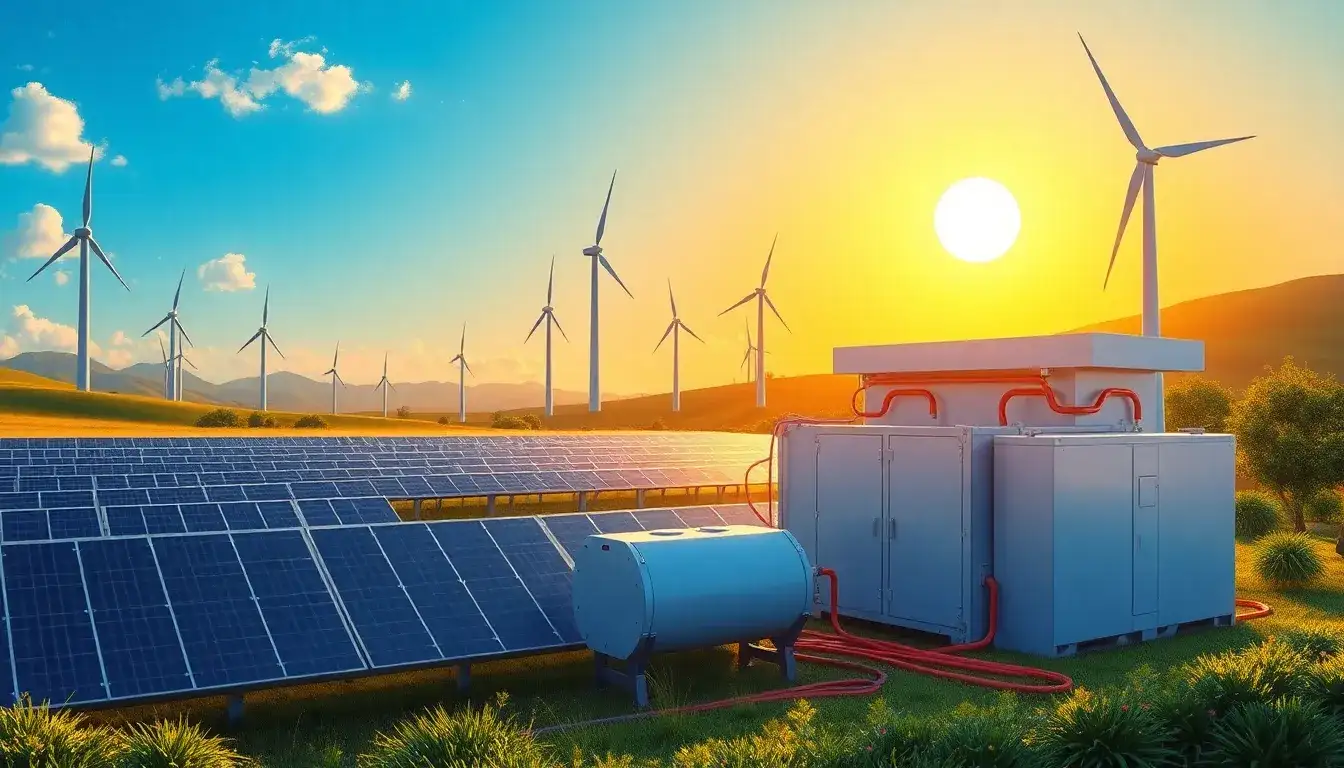
Energy storage systems and their role in renewable energy
Energy storage systems play a crucial role in ensuring the efficient integration of renewable energy sources like solar and wind into the electrical grid. Here’s how these systems interact with solar and wind energy:
Interaction with Solar Energy
- Mitigating Intermittency: Solar energy is generated only during daylight hours. Energy storage systems, such as batteries, capture excess solar energy during the day to provide electricity at night or during periods of low sunlight.
- Grid Stability: By storing energy when supply exceeds demand, energy storage helps stabilize the grid by smoothing out variations in solar generation due to factors like clouds or seasonal changes.
- Peak Demand Management: Energy stored from solar power can be released during peak evening hours when demand is highest but solar generation is low, enhancing grid efficiency and reliability.
Interaction with Wind Energy
- Addressing Variability: Wind energy production fluctuates with wind conditions. Energy storage systems help balance this variability by storing excess energy when wind speeds are high and using it when wind speeds are low or during peak demand.
- Back-Up Power: Battery systems provide backup power during periods of low wind, ensuring a stable and continuous supply of electricity, which is crucial for maintaining grid reliability and reducing reliance on fossil fuels.
- Grid Flexibility: Energy storage offers flexibility to the grid by allowing wind energy to be stored and released as needed, facilitating the integration of more wind power into the energy mix.
Benefits of Energy Storage in Renewable Systems
- Enhanced Reliability: Energy storage ensures a consistent energy supply, reducing reliance on traditional generation methods and enhancing overall grid resilience.
- Cost Savings: By using stored energy during peak tariff hours, and by reducing the need to rely on expensive grid power, energy storage helps businesses and homeowners save on energy costs.
- Carbon Footprint Reduction: By maximizing the use of renewable energy and minimizing the need for fossil fuels, energy storage contributes to a more sustainable energy future.
Original article by NenPower, If reposted, please credit the source: https://nenpower.com/blog/how-do-energy-storage-systems-interact-with-renewable-energy-sources-like-solar-and-wind/

