

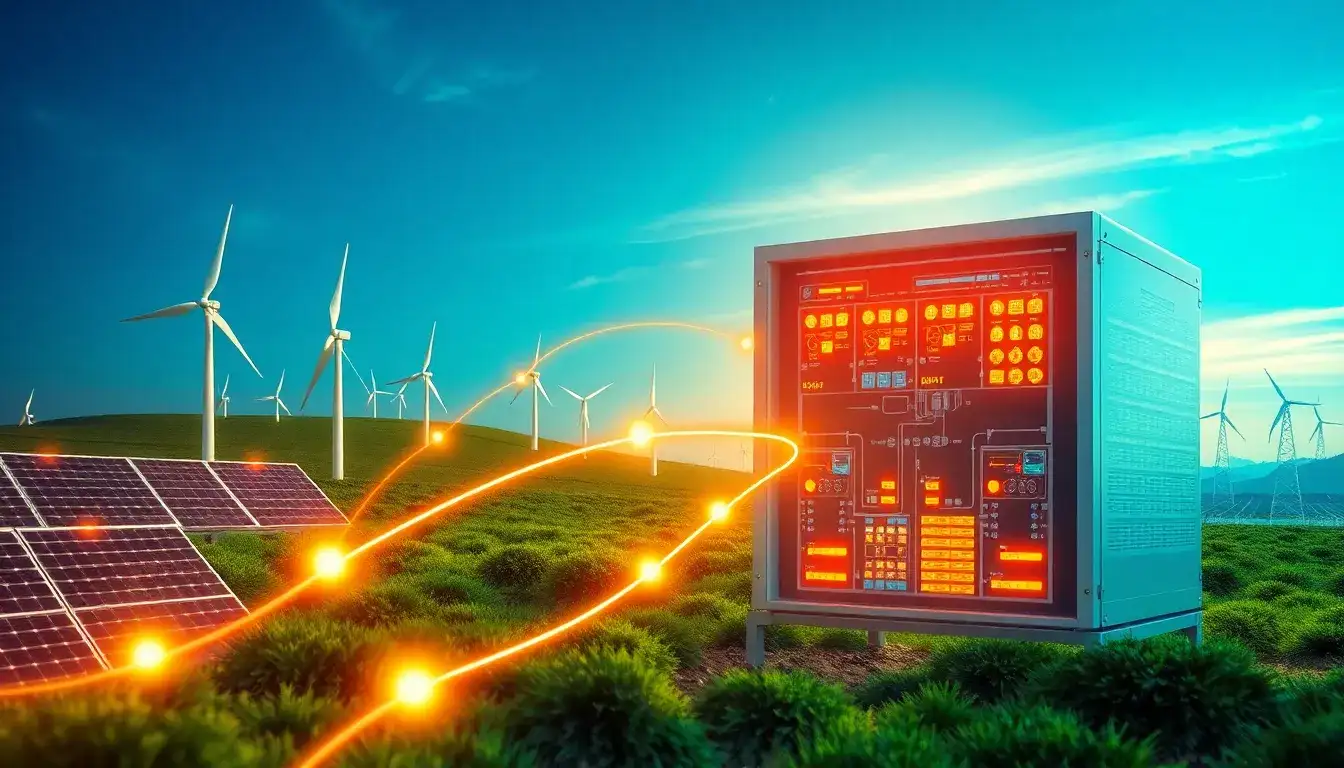
Energy storage systems play a crucial role in integrating renewable energy sources, such as wind and solar power, into the grid more effectively. Here are some ways energy storage supports the integration of renewables:
Role of Energy Storage
- Time Separation: Energy storage systems allow energy consumption to be separated in time from the production of energy. This means that electricity generated by renewables at times of low demand can be stored and used later when demand is higher.
- Grid Flexibility: Energy storage enhances grid flexibility by smoothing out the variability of renewable energy sources. This is particularly important for solar and wind power, which are intermittent by nature.
- Energy Efficiency: Storage helps reduce energy waste by storing excess energy generated during peak renewable production periods and releasing it when needed. This reduces the need to curtail renewable generation facilities.
- Reliability and Firming: Short-term storage can help “firm” solar generation by mitigating the effects of quick changes in output due to weather conditions, thus maintaining a reliable supply of electricity.
- Resilience: Energy storage combined with solar power can provide backup power during electrical disruptions, supporting microgrids and essential services.
Technologies and Facilities
- Battery Systems: Advanced battery systems are central to energy storage. Facilities like the Energy Systems Integration Facility (ESIF) at NREL conduct extensive research on residential and utility-scale battery systems to enhance their performance and integration.
- Electrolysis Platforms: Platforms like NREL’s renewable electrolysis platform study the conversion of excess renewable electricity into storable forms like hydrogen, which can be used later to generate electricity or power vehicles.
Economic and Environmental Benefits
- Cost-Effective Integration: Energy storage supports the integration of cost-effective renewable sources, enabling higher shares of wind and solar in the energy mix.
- Environmental Impact: By maximizing the use of renewable energy, energy storage helps reduce reliance on fossil fuels, contributing to lower emissions and a cleaner energy environment.
In summary, energy storage systems are vital for stabilizing and optimizing renewable energy integration into the grid, ensuring a more efficient, resilient, and environmentally friendly energy system.
Original article by NenPower, If reposted, please credit the source: https://nenpower.com/blog/how-do-energy-storage-systems-integrate-with-renewable-energy-sources-2/

